








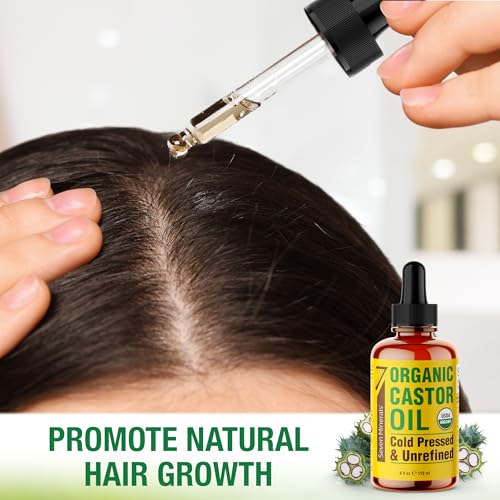

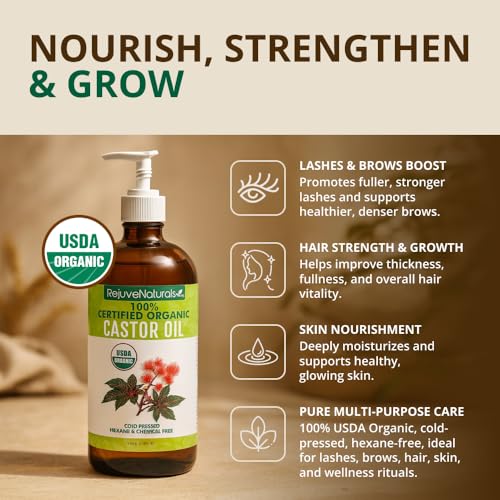
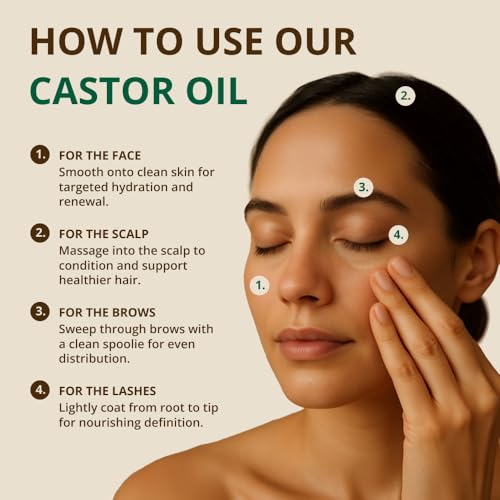


We also considered 10 others:


.png)


Our Top Choice
Compare Features


The order above is not editorial opinion, and it is not paid placement. It comes from what shoppers across our network actually do - which organic cold pressed castor oils they compare, and which they ultimately buy. We re-rank as new data comes in, so the long-term favorites have to keep earning their spot against new entrants. The full method, including how we make money.
Organic Cold Pressed Castor Oils Buyer's Guide
Organic cold-pressed castor oil sits between beauty oil and heavy-duty occlusive: the same thick texture that helps dry skin, hair, brows, and lashes look conditioned can also feel sticky, clogging, or messy if the formula or applicator is wrong. The sharpest buying concerns are purity claims—organic, cold-pressed, unrefined, hexane-free—and whether the packaging lets you apply tiny, sanitary amounts, especially near the eyes.
Quality
Quality matters because castor oil is often applied directly to skin, hair, brows, or lashes, so you want a product that feels fresh, pure, and trustworthy. Look for organic certification, cold-pressed extraction, a simple ingredient list with only castor oil, and packaging that protects the oil from light; watch out for vague sourcing, added fragrances, fillers, or oils that smell rancid or look unusually cloudy.
For quality, prioritize oils that explicitly say 100% pure castor oil, organic, cold-pressed, unrefined, and hexane-free; avoid vague “castor blend,” fragranced, or heavily refined options if you want the traditional thick oil for hair, brows, lashes, or dry-skin routines. For eye-area use, also check that the bottle and applicators look cleanly packaged and easy to keep sanitary, because “natural” does not automatically mean eye-safe if the applicator gets contaminated. Owner feedback supports this quality focus: shoppers repeatedly value pure, cold-pressed, hexane-free formulas, glass bottles, clean preparation, and oils that feel potent, reliable, and effective across hair, face, and body uses.
Texture
Texture matters because castor oil is naturally thick, and the right consistency affects how easily you can spread it through hair, massage it into skin, or mix it with other oils. Look for a smooth, uniform oil that feels rich but not sticky or gritty, and be cautious if you prefer fast absorption because heavier castor oils can leave a noticeable oily film.
For texture, expect real cold-pressed castor oil to be thick, tacky, and slow-spreading; that richness is useful for sealing moisture on dry skin, edges, brows, and hair ends, but it can feel sticky or heavy if you use too much or apply it too close to the eyes. If you want easier daily use, look for controlled dispensing, a roll-on, wand, or a formula intended for lashes and brows; if you dislike residue, avoid very large pours or bottles without a precise applicator. Owner sentiment lines up with this: buyers praise the rich, moisturizing feel, softer hair and skin, quick comfort on dry areas, and the authentic thick texture, while a minority finds castor oil heavy when overapplied.
Results
Results matter because castor oil is usually chosen for a specific outcome, whether that’s softer skin, better hair moisture, fuller-looking lashes, massage comfort, or occasional digestive use. Look for consistent, realistic feedback on the benefit you care about, and be cautious with claims like rapid hair or lash growth, mole removal, major pain relief, or strong digestive effects, since these can vary widely and may require medical guidance.
For results, buy with realistic expectations: castor oil is best chosen for conditioning hair, brows, lashes, and dry skin so they look healthier, shinier, fuller, or less brittle; it should not be treated as a guaranteed hair-growth medicine. If your main goal is lashes or brows, choose a product with hygienic fine applicators and commit to consistent, light application rather than flooding the lash line. Owner feedback is strongly supportive when used this way, with many shoppers reporting healthier-looking hair, thicker-looking brows and lashes, fuller-looking lashes after consistent use, and visible improvement over several weeks.
Moisture
You’ll want an organic cold pressed castor oil that leaves your skin feeling moisturized, soft, and comfortable rather than sticky, tight, or irritated. Look for a rich but smooth texture that spreads evenly and absorbs well enough for your skin-care routine, and watch out for oils with added fragrances or fillers if your skin is sensitive.
For moisture, remember that castor oil is a dense occlusive-style oil: it helps lock in softness and reduce dry feel, but it works best on slightly damp skin or over a water-based moisturizer rather than as the only source of hydration. For scalp, face, or eczema-prone/dry patches, patch test first and avoid applying so much that it clogs pores, mats hair, or migrates into the eyes overnight. Owner reports reinforce its strength as a moisture-support product, with frequent praise for softer, shinier hair, nourished skin, overnight relief on very dry areas, smoother rough spots, and use on lips, lashes, brows, feet, knees, and other dry zones.
Value
Because organic cold pressed castor oil can vary widely in bottle size, purity, and packaging, value for money is about more than choosing the lowest price. Look at the cost per ounce, whether the oil is truly organic and cold pressed, and whether the packaging helps preserve freshness. Be cautious with very cheap options that use vague sourcing, additives, or small quantities that make the deal less impressive than it looks.
For value, do not judge only by bottle size: castor oil is used in tiny amounts for lashes, brows, face, and scalp edges, and very large bottles can go rancid or become contaminated before you finish them if you use it mainly for precision beauty routines. Larger sizes make more sense for hair masks, body use, or castor-oil packs, especially if the packaging dispenses cleanly and the cap seals well; small bottles with brushes can be better value for lash and brow users because they reduce waste. Owner sentiment supports both paths: shoppers like large bottles that last a long time because little product is needed, and they also value kits with brushes, small containers, or multi-use bottles that work for brows, hair, and general hydration.
Use
How the oil dispenses and applies affects how often you’ll actually use it, especially since castor oil is thick and can be messy if the bottle or tool is poorly designed. Look for packaging that matches your routine, such as a pump for larger coverage, a roller ball for targeted use, or a narrow opening for controlled drops, and watch for applicators that clog, leak, or make it hard to spread the oil evenly. Versatile options are easier to fit into skin, hair, brow, lash, or massage use without wasting product.
For use, match the packaging to the application site: pumps are helpful for thick oil on hair and body, droppers can work for scalp or mixing, roll-ons suit targeted dry spots, and mascara-style wands or fine brushes are best for brows and lashes. Avoid dipping dirty fingers into the bottle, sharing lash applicators, or applying heavy amounts at the lash line before sleep, because castor oil can smear, feel sticky, and irritate if it gets into the eyes. Owner feedback backs the importance of applicator design: many buyers find droppers, lash brushes, roll-ons, and pumps convenient for nightly routines, but pumps can be inconsistent and overapplication can make the oil feel sticky or messy.
1,000,000+ shoppers use Buyer's Guide every week to find the best products and services online.

Helping millions of users make smarter purchases online.


