












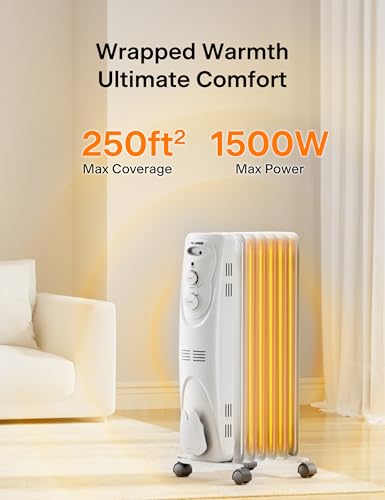


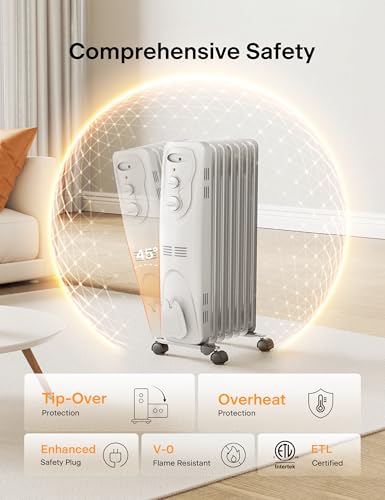


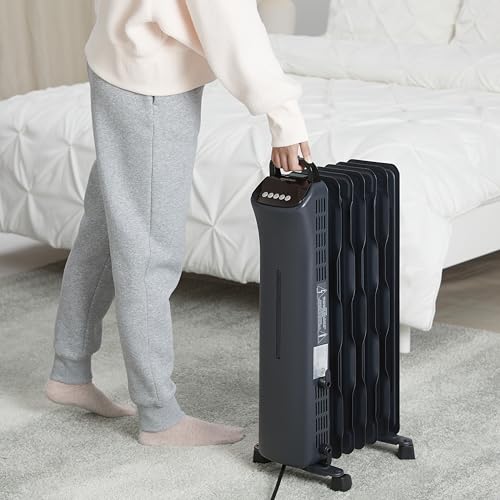


We also considered 10 others:


Our Top Choice
Compare Features


The order above is not editorial opinion, and it is not paid placement. It comes from what shoppers across our network actually do - which oil filled radiator heaters they compare, and which they ultimately buy. We re-rank as new data comes in, so the long-term favorites have to keep earning their spot against new entrants. The full method, including how we make money.
Oil Filled Radiator Heaters Buyer's Guide
Oil-filled radiator heaters trade instant blast heat for slow, steady warmth that is quiet and comfortable once the room is up to temperature. The sharp buying questions are whether the controls can manage that thermal lag, whether the unit fits safely with enough clearance, and whether you are using it for realistic zoned heating rather than expecting it to replace central heat.
Controls
Clear, intuitive controls make a space heater easier and safer to use, especially if you’ll be adjusting it often from a bed, desk, or couch. Look for simple temperature and mode settings, readable buttons or displays, and a remote control if you want to change settings without getting up. Watch out for controls that are tiny, poorly labeled, overly complicated, or hard to use in low light.
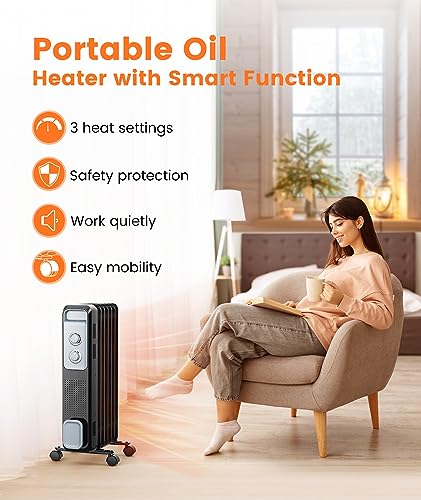
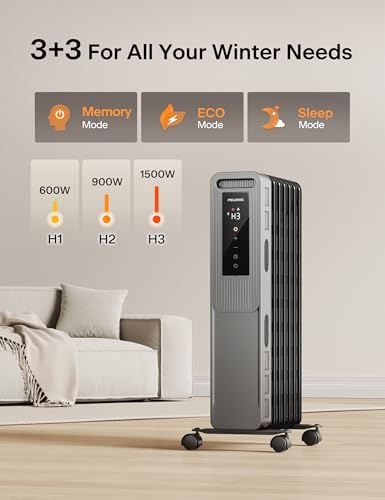
For oil-filled radiators, prioritize controls that manage slow thermal lag: a real thermostat with a visible set temperature, multiple wattage levels, a timer, and an Eco/auto mode that cycles the heater instead of forcing you to manually chase the room temperature. A remote or app is most useful in bedrooms and offices because the heater takes time to respond, so you can adjust before you feel too hot or cold; also look for easy-to-read settings, child lock if needed, and clear safety shutoff indicators. Owner feedback supports this: buyers consistently appreciate thermostat-style settings, timers, remotes, Eco cycling, and smart scheduling because they make the steady heat easier to live with and adjust from bed or across the room.
Noise
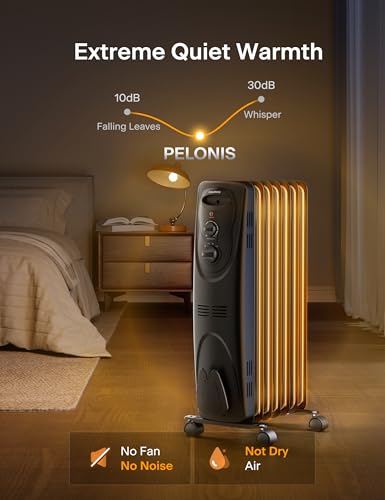
Noise level matters if you plan to use a space heater in a bedroom, office, nursery, or anywhere quiet, since fan hums, clicks, or cycling sounds can become distracting over time. Look for models described as quiet or low-noise, and pay attention to whether the sound is a steady background hum or an intermittent on-off noise that may be more noticeable.
If silence is the reason you are choosing an oil-filled radiator, avoid fan-assisted models and read carefully for reports of clicking, popping, relay chatter, or oil gurgling during heat-up and cooldown. A good oil-filled unit should have no constant fan noise, but some expansion sounds are normal; for bedrooms, nurseries, work calls, or TV rooms, prioritize models repeatedly described as quiet through thermostat cycling, not just quiet once fully warm. Owner sentiment lines up with this niche advantage: many buyers call these heaters quiet enough for overnight use, work spaces, living rooms, and watching TV, though some broader feedback still flags irritating sounds on certain units.
Size
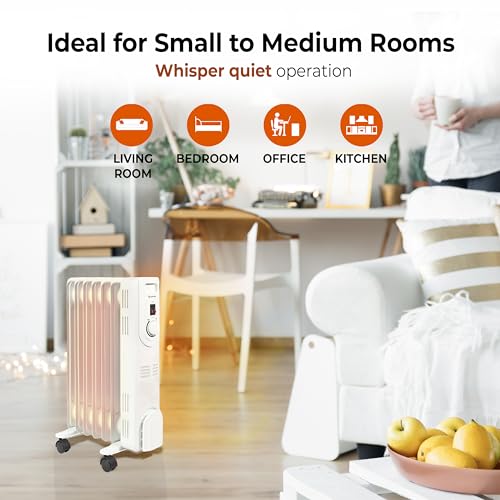
Size matters because a space heater needs to fit where you’ll actually use it without blocking walkways, vents, doors, or furniture. Look for a footprint and height that suit your room, desk, or bedside area, and remember that some compact heaters still need clear space around them for safe airflow and heat dispersal.
Check the full footprint with wheels, the weight, handle placement, and required clearance around the fins—not just the cabinet height—because oil-filled radiators are portable but not truly desk-size appliances. They need open space away from bedding, curtains, furniture, and foot traffic, and bathroom use should be avoided unless the heater is specifically rated for damp locations and used on proper protected power. Match size and wattage to the room: compact units are easier to store and move, but they will not quickly heat large, drafty spaces. Owners often like the compact, easy-to-place form and portability for bedrooms, offices, and smaller rooms, while also noting that expectations for very large spaces should stay realistic.
Value
A space heater’s value comes down to how well its heat output, controls, safety features, and build quality match what you pay. Look for a model that fits the room size you actually need to warm and includes useful features you’ll use, while being wary of paying extra for flashy extras that don’t improve comfort, safety, or durability.
Judge value by zoned heating economics, not by claims that one electric radiator is inherently more efficient than another resistive electric heater. The payoff comes when you heat the occupied room, use the thermostat/Eco mode to prevent nonstop running, and lower central heat elsewhere; check wattage settings, insulation needs, operating hours, and local electricity cost before assuming savings. Oil-filled radiators can also feel more worthwhile because their sealed thermal mass gives steady residual warmth after cycling off, but they are slow for quick heat and poor for whole-home heating. Owner feedback supports this value case: buyers often see them as practical supplemental heaters for bedrooms, cold snaps, and one-room use, especially when Eco cycling helps hold a set temperature and reduce unnecessary runtime.
1,000,000+ shoppers use Buyer's Guide every week to find the best products and services online.

Helping millions of users make smarter purchases online.


