








We also considered 10 others:


Our Top Choice
The order above is not editorial opinion, and it is not paid placement. It comes from what shoppers across our network actually do - which odor absorbers for closets they compare, and which they ultimately buy. We re-rank as new data comes in, so the long-term favorites have to keep earning their spot against new entrants. The full method, including how we make money.
Odor Absorbers for Closets Buyer's Guide
Closet odor absorbers have to solve two linked problems without creating a new one: trapped humidity that makes fabrics and shoes smell musty, and fragrances or leaks that can affect clothes in a small enclosed space. The best pick is not just the strongest scent; it is the format, capacity, and moisture-control method that matches the closet size, humidity source, and how safely it can sit near garments.
Moisture Control
Closet odors often start with trapped dampness in fabrics, shoes, boxes, and walls. A good closet absorber should lower excess humidity enough to reduce stale air, not merely add fragrance. Visible saturation or collected liquid also helps you know when the unit is working and when it is spent.
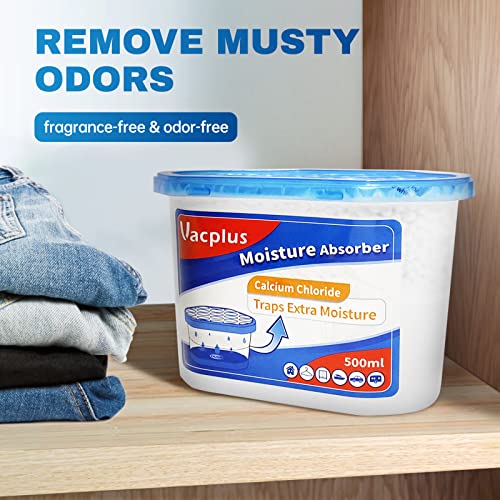
For closets, prioritize an absorber that actually removes moisture, not just a deodorizer that covers smells. Look for desiccant-based packs or tubs that show collected water or clear saturation, and size them for the space: a sealed reach-in closet may need one hanging unit, while a damp walk-in, laundry closet, camper wardrobe, or shoe closet may need multiple points of coverage. If humidity is coming from a leak, wet wall, or poor ventilation, an odor absorber can help symptoms but should not be treated as the fix. Owner sentiment strongly favors absorbers that visibly pull moisture from humid closets and other enclosed spaces, with collected water giving shoppers confidence that the product is actively working. Feedback also notes reliable performance in damp areas such as closets, cars, campers, shelves, bathrooms, and dorm rooms, which supports moisture removal as the core buying criterion.
Odor Reduction
Closets concentrate odors because airflow is limited and fabrics hold smells over time. The right absorber should address the condition causing the odor, especially moisture, rather than simply masking it. This matters most in closets used for shoes, outerwear, linens, or long-term storage.
Choose odor control based on the odor source: musty dampness calls for moisture absorption, shoe and laundry odors may benefit from odor-adsorbing materials, and strong mildew smells may require cleaning the closet first. Avoid relying on perfume-heavy products to hide a humidity problem, because the closet can smell better briefly while fabrics remain damp. For clothing storage, especially coats, suits, leather, wool, and seasonal bins, favor products that reduce stale air without transferring residue or overpowering scent. Owners repeatedly report that musty, moldy, stale, and damp odors improve noticeably in enclosed spaces such as closets, laundry rooms, bathrooms, and cars. The sentiment supports that effective products are judged by whether the closet smells less musty after use, not merely by whether the absorber itself smells strong.
Fill Capacity
Capacity determines how long an absorber can keep working before it becomes saturated. In a damp closet, an undersized unit may seem ineffective simply because it fills too quickly. Replacement frequency also affects convenience, especially in spaces where humidity is a recurring problem.
Match water capacity to how wet the closet gets and how often you are willing to replace the absorber. Small containers and compact packs fit tight corners and bins, but they can saturate quickly in humid closets; larger hanging bags or tubs generally make more sense for recurring dampness. For a closet with visible condensation, damp walls, or fast-filling absorbers, plan on more than one unit and investigate the humidity source. Owner feedback highlights water collection as a confidence signal, and the hanging-bag format is liked because the lower reservoir fills and can then be discarded. Sentiment also notes the tradeoff that compact units are convenient in tight spaces but may need replacing sooner, which makes capacity a real value and maintenance issue.
Closet Fit
A closet absorber only works well if it can sit where damp air and odors collect. Hanging, tub, and compact formats solve different placement problems, so the best choice depends on rods, shelves, shoe storage, and floor space. Good fit also reduces the chance that the unit is knocked over or forgotten.
Pick the physical format around the closet layout: hanging bags for rods and wardrobe bars, tubs for shelves or floors, slim packs for shoe racks and storage bins, and small units for cars, campers, or dorm closets. Leave airflow around the absorber and avoid wedging it behind packed clothing, because stagnant pockets are where mustiness develops. In a closet used daily, make sure the unit will not snag garments, tip over, or block drawers and sliding doors. Owners like designs that can be hung on a hook, left alone, and discarded once full, and they also praise simple portable formats that can be placed near shoes, under seats, in bathrooms, storage bins, shelves, and other small spaces. The sentiment makes clear that easy placement is a major reason these products get reused.
Scent Choice
Scent is personal, but closets make it more consequential because fabrics absorb odors. A fragrance that seems mild in open air can become noticeable in a closed wardrobe. Unscented options are often safer when the goal is neutral storage rather than room fragrance.
For closets full of clothing, start with unscented or very lightly scented options unless you specifically want fragrance transfer. Artificial or strong scents can cling to coats, linens, uniforms, and shoes, and they may bother people who are sensitive to fragrance. If you choose a scented absorber, treat it as a finishing preference after confirming that it also controls moisture and mustiness. Owner sentiment shows scent as the main split point: some people prefer a particular fragrance, while others notice little scent, find it artificial, or would rather use unscented. That divide is especially important in closets because the contents can hold fragrance long after the absorber is removed.
Spill Safety
Moisture absorbers that collect liquid need to contain that liquid reliably until replacement. In a closet, a leak or tip-over can affect clothes, shoes, shelving, and stored boxes. Safe placement and visible fill status are therefore part of product performance, not just convenience.
Check for spill-resistant construction, secure seams, stable tubs, and a clear disposal path before placing any moisture absorber near clothing, leather goods, wood shelves, or metal hardware. Liquid collected from desiccant-style absorbers can be messy and may damage or stain surfaces if a bag tears or a tub tips, so keep units upright, unobstructed, and out of reach of children and pets. Do not let the absorber touch garments directly, and replace it before it is overfull. The positive feedback around hanging bags centers on the ability to hang them, leave them alone, and throw them away once the water reservoir fills. That convenience is valuable, but it also underscores why fill visibility and safe disposal matter in a closet packed with fabrics.
1,000,000+ shoppers use Buyer's Guide every week to find the best products and services online.

Helping millions of users make smarter purchases online.


