



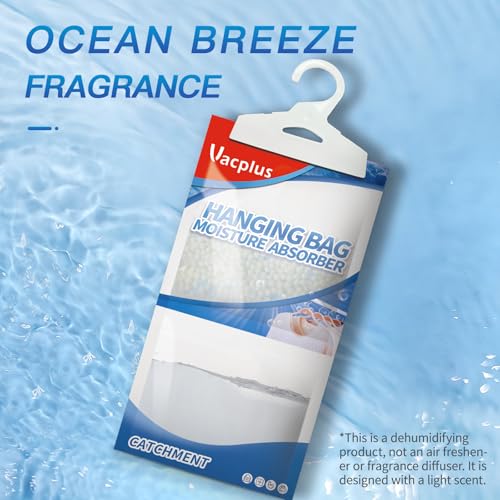
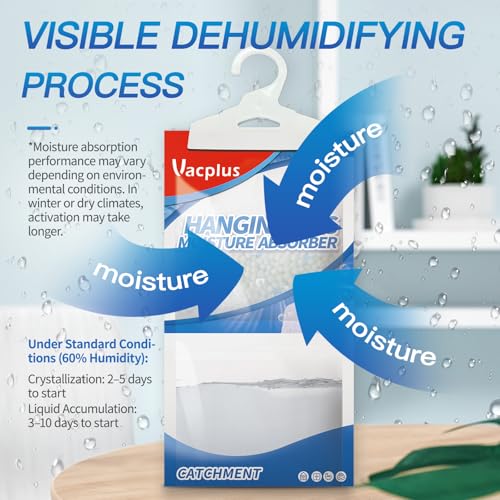









We also considered 10 others:


Our Top Choice
The order above is not editorial opinion, and it is not paid placement. It comes from what shoppers across our network actually do - which closet deodorizers they compare, and which they ultimately buy. We re-rank as new data comes in, so the long-term favorites have to keep earning their spot against new entrants. The full method, including how we make money.
Closet Deodorizers Buyer's Guide
Closet deodorizers have to work in enclosed textile storage, where the goal is fresh clothing without an overpowering perfume cloud or residue on fabrics. The sharpest tradeoffs are scent strength versus subtlety, and how many packets or units are needed for drawers, wardrobes, cabinets, and other low-airflow spaces.
Scent Balance
Closet deodorizers sit close to clothing, shoes, linens, and stored fabrics, so scent intensity matters more than it does in an open room. A good choice should freshen stale air without making garments smell too strong or clashing with personal fragrance.
Choose a scent profile you would actually want on clothes, not just in the package: cedar and herbal notes suit garment storage, while sweet or heavy fragrances can become cloying in a closed closet. For drawers and linen bins, favor subtle sachets or absorbers; for shoe closets or mustier spaces, look for stronger odor-control formats and be ready to use more than one unit. Owner feedback supports this split: many buyers found the fragrance pleasant, but scent strength was a major divider, with some wanting a much stronger smell and others satisfied with the gentler freshening.
Coverage Fit
A deodorizer that works in a drawer may disappoint in a walk-in closet because enclosed spaces vary widely in volume and airflow. Matching the unit size and count to the space prevents weak coverage and avoids overloading small compartments with fragrance.
Buy by storage zone, not by the package claim alone: small sachets are best for drawers, garment bags, storage bins, cabinets, and pantry-like compartments, while larger closets usually need multiple placement points at different heights. Avoid expecting one small packet to freshen a full wardrobe, especially if doors stay closed and air barely moves. Owners repeatedly described sachets as easy natural fits for closets, drawers, cabinets, pantries, and other small storage spaces, but they also noted that expectations varied for how much area each packet should cover.
Garment Protection
Some closet deodorizers are only fresheners, while others are chosen partly to protect stored garments from pests. If moth prevention matters, shoppers should look for materials and scents commonly used for garment protection and still avoid direct contact that could mark delicate fabrics.
For wool, cashmere, silk blends, seasonal coats, and stored textiles, prioritize closet deodorizers that combine freshening with garment-protection materials such as cedar-style or herbal sachets. Place them near garments but not crushed against delicate fabric, and use sealed pouches or smooth blocks that will not shed dust, oils, or debris onto clothing. Owner sentiment backs this use case: buyers associated cedar-and-lavender style sachets with fresh-smelling clothes and no visible moth damage over time, making moth control a key differentiator rather than a bonus feature.
Lasting Power
Closet deodorizers often fade gradually, so the first week’s scent is not a reliable measure of long-term performance. The best option is one with a clear refresh or replacement routine that fits how often the closet is opened and how much odor is present.
Look for a deodorizer with an obvious maintenance path: sachets that can be squeezed or ruffled to release more fragrance, cedar that can be lightly refreshed, or absorbers with clear replacement timing. Be wary if you need continuous strong scent, because enclosed-storage fresheners can smell pleasant at first and then fade before the odor problem is fully solved. Owners reported that odor control can work well in small cabinets and similar spaces, but fragrance longevity did not always meet expectations; some also found that squeezing or ruffling bags helped revive the scent.
Easy Placement
Closet products should be easy to place without rearranging storage or risking spills. Format matters because a hanging hook, toss-in sachet, block, or pouch determines where it can safely sit and whether it stays visible.
Match the format to the storage layout: hanging units suit rods and coat closets, flat sachets work in drawers and folded-linen stacks, and sturdier pouches are better for shelves, shoe cubbies, and cabinets. Avoid loose, messy, or awkward shapes in closets where items are pulled in and out often. Owner feedback strongly favors simple toss-in use, with buyers noting that sachets are easy to place around closets, dressers, pantries, and small storage spaces without setup; neat-looking packets also made people comfortable leaving them visible.
Real Value
Value in this category depends on usable coverage and how long the scent or odor control remains effective, not just how many pieces come in a pack. A cheaper pack can become disappointing if each unit covers too little space or fades quickly.
Estimate value by counting the actual spaces you need to treat: each drawer, shoe cubby, storage bin, and closet section may need its own unit. If you prefer a strong fragrance, value depends heavily on staying power; if you only need light freshness, a larger multipack of subtle sachets may be enough. Owner sentiment was split here: some buyers felt the pack was affordable and worthwhile, while others would not repurchase when the scent level or longevity fell short of expectations.
1,000,000+ shoppers use Buyer's Guide every week to find the best products and services online.

Helping millions of users make smarter purchases online.


