





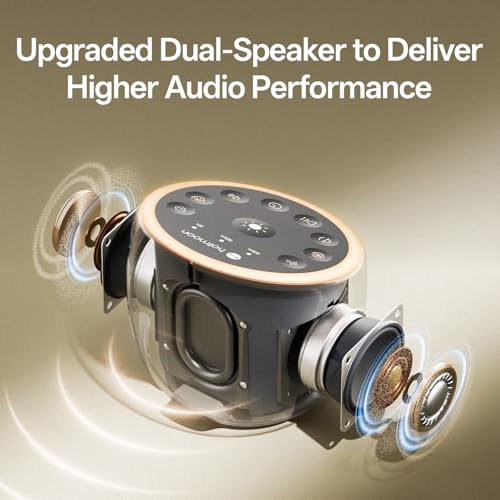


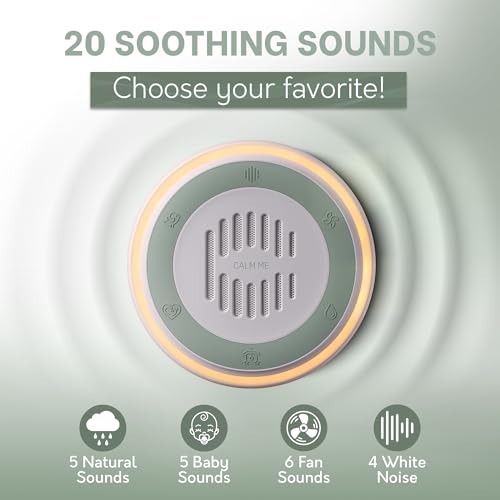


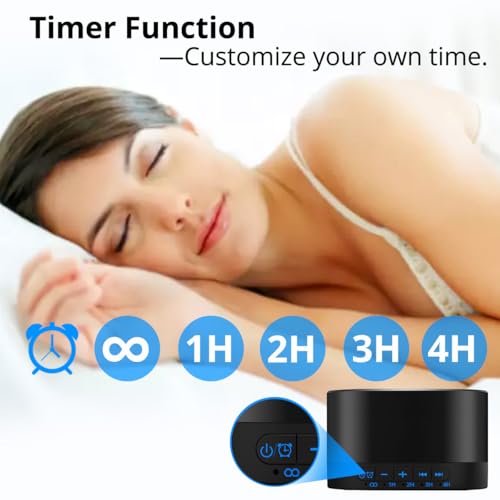
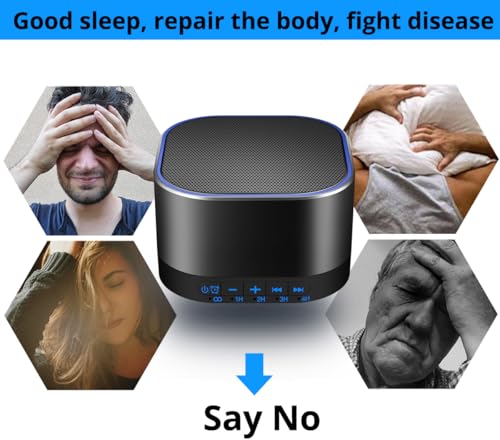


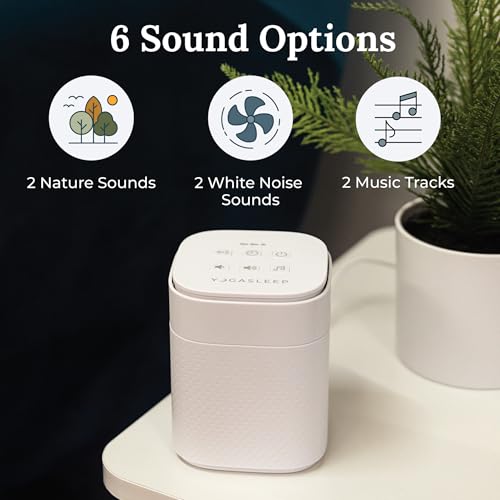



We also considered 10 others:


Our Top Choice
The order above is not editorial opinion, and it is not paid placement. It comes from what shoppers across our network actually do - which noise machines for dogs they compare, and which they ultimately buy. We re-rank as new data comes in, so the long-term favorites have to keep earning their spot against new entrants. The full method, including how we make money.
Noise Machines for Dogs Buyer's Guide
Noise machines for dogs sit between two goals: masking trigger sounds so a dog can rest, or adding sound and motion to occupy a bored dog. The biggest buying mistakes are choosing a unit that is too stimulating for sleep, too weak to soften hallway or hotel noise, or not reliable enough to run when barking triggers happen.
Calming Masking
Dogs often react to abrupt changes in sound more than to steady background noise, so a good machine should smooth out door slams, hallway voices, traffic, or unfamiliar hotel sounds. The goal is not maximum loudness; it is a consistent, comfortable sound bed that helps the dog ignore spikes without adding stress.
Look for steady, non-startling sounds such as white, pink, brown, fan, rain, or soft nature tracks, and avoid harsh loops, sudden sound effects, or overly musical modes when the goal is sleep. Place the machine between the dog and the likely noise source, such as a door, window, or shared wall, and keep the volume only as high as needed to mask spikes while still letting the dog hear normal household cues. Owner feedback supports this priority: dog-focused sound machines were strongly liked for helping pets settle at night or in stressful places, and owners specifically noted that they softened outside noise in hotels, apartments, and studios where sudden sounds can trigger barking.
Dog Controls
A dog noise machine has to fit the routine: bedtime, crate time, alone time, travel, or barking episodes. Adjustable settings matter because a puppy, noise-sensitive dog, or high-alert dog may need a different volume, duration, or sound type than another pet in the same home.
Prioritize clear volume steps, a timer plus continuous-play option, easy sound selection, and a memory function that restarts with the last useful setting. If you want bark activation, choose a machine with manual override and adjustable sensitivity, because a sensor that misses barks or turns on unpredictably can make the setup less useful. Owners liked practical controls such as adjustable volume, timer settings, multiple sound choices, and bark sensors that can turn on when a dog reacts, but sentiment also flags reliability as mixed when bark-sensor behavior does not work as intended.
Placement Fit
Where the machine sits can matter as much as what it plays. A compact unit is easier to use near a crate, dog bed, hotel nightstand, apartment door, or studio wall without becoming another object the dog can knock over or chew.
Choose a size and shape that can sit securely near the dog’s rest area but outside the chew zone, with controls you can reach without disturbing the dog. For travel or apartments, a low-profile machine is useful because it can be placed close to the trigger source, such as a hallway door, rather than simply blasting sound from across the room. Owner sentiment backs this: small footprint was appreciated because the unit could be placed discreetly without taking over a room, and owners especially valued noise softening in hotels, apartments, and studios.
Power Reliability
A noise machine that quits halfway through the night can undo the whole purpose, especially for dogs that bark when the background sound stops. Power design matters differently for bedside use, crate-adjacent use, travel, and interactive sound toys that move or play music.
For overnight calming, favor a dependable plug-in option or a battery that comfortably exceeds the longest session you expect, with a visible charge indicator and the ability to run while plugged in if you need it. For rechargeable units, check that charging ports are protected from dirt and chewing, and test several full cycles before relying on the machine during a trip, storm season, or separation routine. Owners found battery life satisfying during normal use in some cases, but charging problems and units no longer holding a charge were also reported; reliability was a recurring watch-out, including defective machines.
Pet-Safe Build
Dog gear has to survive paws, teeth, nudging, bedding, and being moved around the home. If the device includes motion, music, or a soft cover, the construction becomes even more important because loose pieces, torn fabric, or failed mechanisms can quickly turn a helpful tool into clutter or a supervision issue.
For a standard noise machine, look for a stable base, covered cables, no easily removable small parts, and a housing that can be wiped clean. For sound-and-motion toys, buy with your dog’s play style in mind: strong chewers and dogs that dissect toys need tougher covers, secure closures, and supervised use, while anxious dogs may do better with a stationary machine instead of hopping or bouncing motion. Owner feedback is mixed here: some units came across as well made and entertaining, and some owners preferred sturdier cover closures, but others reported ripped covers, toys falling apart quickly, or motion functions stopping after a short time even after recharging.
Calm vs Play
Not every dog-focused sound device is meant for the same state of mind. Some are best for sleep and desensitizing trigger noise, while others are closer to enrichment toys that use music, movement, and unpredictability to keep a dog busy.
Decide first whether you are buying for rest or for activity. For night, crate naps, hotel stays, or apartment barking, choose steady sound with minimal lights, motion, or sudden changes; for boredom or high-drive dogs, an interactive sound toy with multiple play modes may be more appropriate, but it should have an off switch, supervision plan, and durable motion mechanism. Owner sentiment shows this split clearly: calming sound devices were liked for helping dogs settle and sleep, while interactive sound-and-motion toys were highly engaging for bored or high-drive dogs and kept them chasing and entertained, especially when music and multiple play modes were included.
1,000,000+ shoppers use Buyer's Guide every week to find the best products and services online.

Helping millions of users make smarter purchases online.


