



















We also considered 10 others:


Our Top Choice
Compare Features


The order above is not editorial opinion, and it is not paid placement. It comes from what shoppers across our network actually do - which neck air conditioners they compare, and which they ultimately buy. We re-rank as new data comes in, so the long-term favorites have to keep earning their spot against new entrants. The full method, including how we make money.
Neck Air Conditioners Buyer's Guide
Neck air conditioners trade whole-room cooling for personal, hands-free relief, so the key question is whether the device can move enough air—or provide enough contact cooling—while sitting comfortably beside your ears and on your skin. The sharpest concerns are real cooling versus marketing claims, battery drain at high output, hair-safe wear, and noise that becomes hard to ignore because the fans are so close to your head.
Airflow
You’ll notice airflow most in how quickly a fan makes the room feel more comfortable and how far that cooling or heating effect actually reaches. Look for enough power and coverage for your space, plus useful features like multiple speeds, oscillation, or misting or heating modes if you need them, and watch out for fans that sound powerful but only move air well at close range.
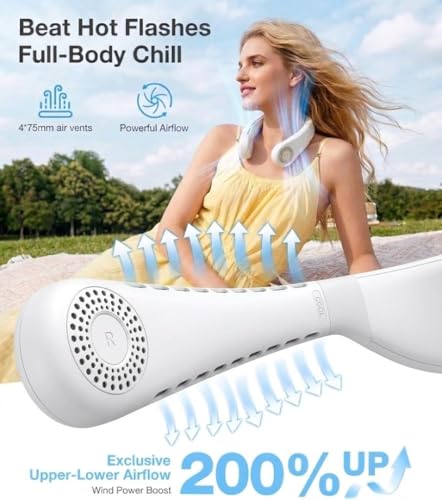
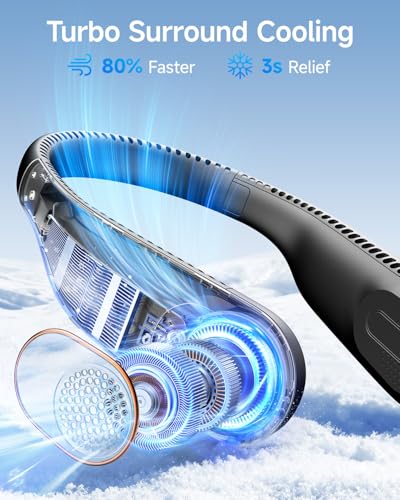
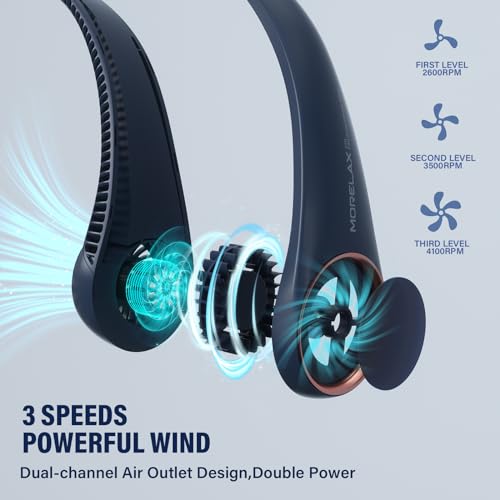
For neck air conditioners, prioritize directed airflow that actually reaches the jawline, cheeks, and back of the neck—not just vents that blow vaguely upward. Look for multiple speed levels, vents around more than one side of the collar, and, if you need relief in extreme heat or hot flashes, a cooling plate that contacts the neck; avoid models that only cool a tiny spot or advertise “air conditioning” when they are just a weak fan. Owner feedback supports this: buyers most consistently praise units that give fast, noticeable relief in outdoor heat, travel, warehouse-style work, yard tasks, theme-park days, and hot flashes, especially when higher speeds are available for quick relief and lower speeds for steady comfort.
Build
You want a fan that feels solid, stays stable at its highest speed, and keeps working without new rattles, wobble, or motor odor after regular use. Look for sturdy housing, well-balanced blades, a secure base or mount, and parts that are easy to remove and clean, since flimsy materials and hard-to-maintain grills tend to show wear, collect dust, and shorten the fan’s useful life.
Check the neckband structure before anything else: it should flex enough to fit your neck without pinching, hold its shape while walking or working, and keep vents, intakes, and any cold plate positioned correctly against the skin. For sweaty summer use, avoid sharp seams, exposed moving parts, fragile hinges, and controls that are hard to adjust by feel; a solid housing matters because the device sits on your body, not on a desk. Owner sentiment generally favors models that feel sturdy, compact, simple to control, and well made, with several buyers also valuing designs that stay comfortable and practical during hot work or summer wear.
Battery
If you want the flexibility to move a fan from room to room or use it where outlets are limited, battery life and charging convenience matter just as much as airflow. Look for a runtime that matches how long you actually use a fan, clear recharge times, and easy charging options, and watch out for units that run strongly at first but fade quickly or take too long to recharge between uses.
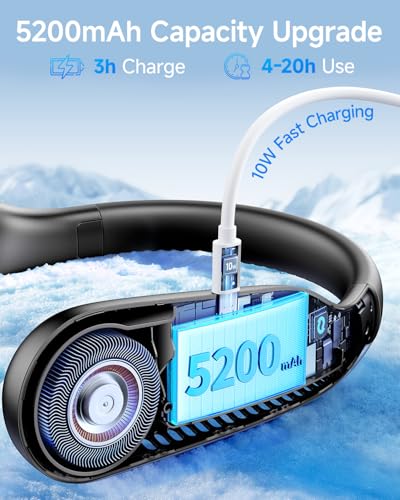
Match battery expectations to your hottest use case: high fan speed and thermoelectric neck plates drain power much faster than low-speed fan-only use, so check claimed runtime at maximum cooling, not just the best-case runtime. For long shifts, mowing, travel days, or events, look for USB-C charging, clear battery indicators, and enough capacity to avoid being stranded mid-heat; avoid units that get hot while charging or require constant topping off. Owner feedback is broadly positive here, with many buyers saying battery life lasts for hours, through outings, yard work, events, porch time, or repeated intermittent use before recharging.
Portability
If you plan to move a fan from room to room or use it on a stroller, desk, patio, or while traveling, portability affects how often it will actually be useful to you. Look for a size and weight you can carry comfortably, plus practical mounting options like a stable base, clip, hook, or magnetic attachment that fits where you’ll use it; just make sure portability doesn’t come at the cost of tipping easily, weak airflow, or awkward charging and setup.
A neck air conditioner has to be wearable, not merely small: check total weight, balance around the collarbones, whether it bounces while walking, and whether it conflicts with long hair, glasses, hats, collars, masks, or headphones. Bladeless or enclosed-fan designs are safer for hair, and a compact shape matters if you plan to pack it in a purse, campus bag, carry-on, or work tote. Owners often praise lightweight hands-free designs that stay usable while gardening, mowing, hiking, traveling, walking, doing chores, or working outside, and several specifically appreciate compact carryability and hair-safe wear.
Noise
How a fan sounds can matter as much as how well it moves air, especially if you plan to use it in a bedroom, nursery, or office. Look for a fan that stays quiet at the speeds you actually use, has a smooth, consistent sound instead of rattling or clicking, and offers enough low-speed control for sleep; a fan that is only quiet on its weakest setting may still be disruptive at night.
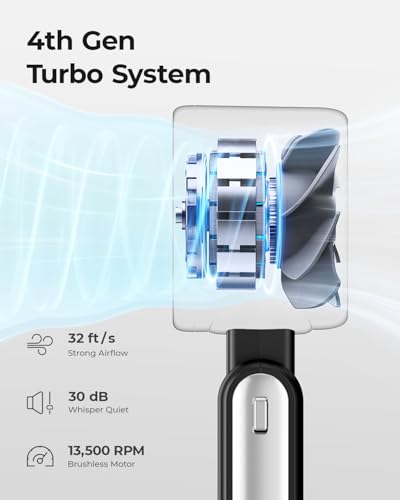
Because the motors sit inches from your ears, judge noise more strictly than you would with a handheld or desk fan. If you need it for calls, quiet offices, commuting, reading, or medical hot-flash relief at night, look for published low-speed noise levels and avoid high-RPM models known for whine, buzzing, or “jet” sounds; if you will use it outdoors or in warehouses, stronger airflow may be worth more noise. Owner sentiment is mixed: many find the sound acceptable or quiet enough, especially in already noisy places, but others notice buzzing, fan whine, louder high speeds, or sound that becomes more obvious during long wear.
Value
You want a fan that feels worth what you pay, not just one that looks good on the shelf. Look for strong airflow, reliable performance, useful speed or control options, and a noise level you can live with, because a low upfront cost is not a bargain if the fan disappoints, wears out quickly, or costs more to run than expected.
Value depends on whether the device solves a specific heat problem that a cheap fan cannot: prolonged outdoor work, travel in crowds, hot flashes, heat-sensitive commuting, or situations where hands-free cooling matters. Pay more only for concrete improvements—stronger directed airflow, reliable max-speed runtime, a comfortable neck fit, safer enclosed fans, durable hinges, and a true cooling plate if you need contact cooling; avoid paying a premium for vague “AC” claims with weak airflow or short runtime. Owner feedback reflects this split: many buyers feel the cooling, comfort, and build justify the cost when they need serious heat relief, while others are disappointed when airflow, runtime, included protection, or overall cooling does not match expectations.
1,000,000+ shoppers use Buyer's Guide every week to find the best products and services online.

Helping millions of users make smarter purchases online.


