











We also considered 10 others:


Our Top Choice
Compare Features


The order above is not editorial opinion, and it is not paid placement. It comes from what shoppers across our network actually do - which multi cat litter boxes they compare, and which they ultimately buy. We re-rank as new data comes in, so the long-term favorites have to keep earning their spot against new entrants. The full method, including how we make money.
Multi Cat Litter Boxes Buyer's Guide
Multi-cat litter boxes have to balance capacity, access, and conflict prevention: a box that contains mess well can still fail if it is too cramped, too enclosed, or easy for one cat to guard. The sharpest checks are usable interior size, urine and litter containment under heavy repeat use, and whether cleaning or automatic waste handling can keep up with several cats.
Containment
You want a litter box that keeps scattered litter, spray, and tracked waste contained so your floors stay cleaner and daily upkeep is easier. Look for features like higher sides, a well-sized entry, covered or top-entry designs, and smooth interior surfaces that limit leaks and sticking, but make sure the setup still gives your cat enough room and easy access.
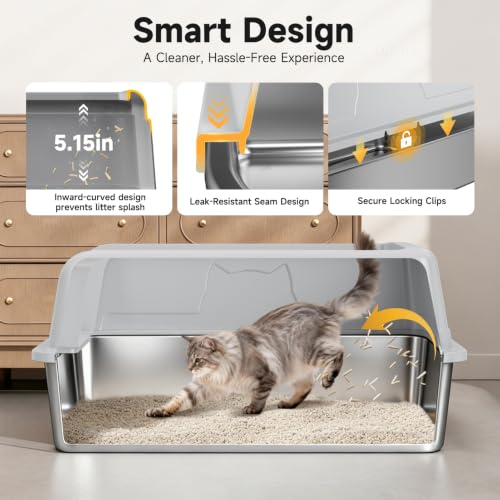
For multi-cat homes, prioritize containment that handles repeated digging, high-volume urine, and different pee postures: look for tall walls on all sides, a deep pan, secure seams or locking edges, and an entry that reduces tracking without creating a traffic bottleneck. Be cautious with low open pans for sprayers or vigorous diggers, and with fully covered boxes if one cat may guard the entrance or ambush another. Owners consistently report that high sides, snap-on lids, enclosed shapes, exit mats, and filters help reduce kick-out, leaks, wall-peeing messes, tracking, and odors; stainless steel designs are also praised for reducing lingering urine smells compared with plastic.
Build
A well-built litter box holds its shape, resists cracking, and stands up to daily scooping, washing, and your cat’s digging or jumping in and out. Look for sturdy, non-brittle materials, stable construction, and smooth surfaces that won’t trap waste or odors; watch out for flimsy plastic, weak seams, loose lids, or parts that flex easily under pressure.
For several cats using the same box repeatedly, build quality matters because weak plastic, loose lids, warped trays, and scratched surfaces become odor traps and leak points faster. Favor rigid pans, tight-fitting guards, durable hinges or latches, nonporous stainless interiors when possible, and automatic models with proven sensors and waste mechanisms rather than flimsy moving parts. Owner feedback supports this: sturdy plastic is appreciated for everyday scooping and moving, stainless pans are praised as sanitary and nonstick, high sides with snap-on lids help prevent leaks, and dependable self-cleaning units are valued when they remove waste smoothly with few malfunctions.
Cleaning
Cleaning matters because a litter box that’s hard to scoop, empty, or wash can quickly lead to odors, buildup, and skipped maintenance. Look for smooth interior surfaces, minimal seams or tight corners, and parts that are easy to remove and rinse; watch out for bulky shapes, textured plastic, or complicated components that can trap waste and make regular cleaning harder.
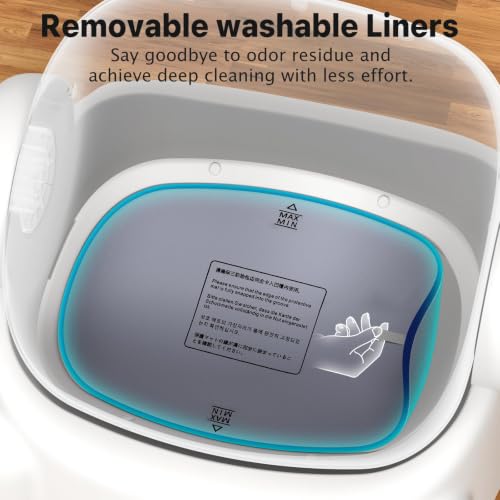
In a multi-cat setup, choose a box that can be cleaned fast and thoroughly because waste builds up much more quickly; avoid designs with many crevices, hard-to-remove hoods, sticky plastic bottoms, or small waste drawers that force constant emptying. Stainless steel or slick nonstick pans, slide-out trays, wide access openings, and automatic rakes or rotating systems with easy waste-bin removal are especially useful, but they still need regular deep cleaning and litter changes. Owners back this up by praising stainless surfaces where clumps do not cling, lightweight open pans that are easy to dump and rinse, slide-out lower trays that avoid full disassembly, and automatic boxes that reduce daily scooping while helping keep odors down when emptied regularly.
Size
Choose a litter box that gives your cat enough room to turn around, dig, and enter comfortably, while still fitting the space where you’ll keep it. Pay attention to entry height for kittens, seniors, or cats with mobility issues, and be cautious with lids or covered designs if your cat dislikes tight spaces or you need easier access for cleaning. Appearance matters, but a box that looks neat in your home should still be large, accessible, and practical enough for daily use.
For multiple cats, size should be chosen for the largest cat and for household traffic, not just floor space: the usable interior should let a cat enter, turn around, dig, and posture without touching the walls, and many homes still need more than one box to prevent guarding or avoidance. Extra-large, deep boxes are best for big cats and shared use, while compact boxes should be reserved for kittens, small cats, travel, or tight secondary locations. Owners report that extra-large boxes work well for big cats and multi-cat homes, roomy high-sided designs help larger cats move while containing litter, and smaller boxes are mainly appreciated for kittens, small cats, and constrained spaces.
Use
You’ll interact with a litter box every day, so easy setup, simple assembly, and reliable functionality can make the difference between a box you tolerate and one that fits smoothly into your routine. Look for designs that are intuitive to put together, easy for your cat to enter and use, and convenient for scooping or cleaning; watch out for awkward lids, flimsy parts, tight openings, or mechanisms that add hassle instead of reducing it.
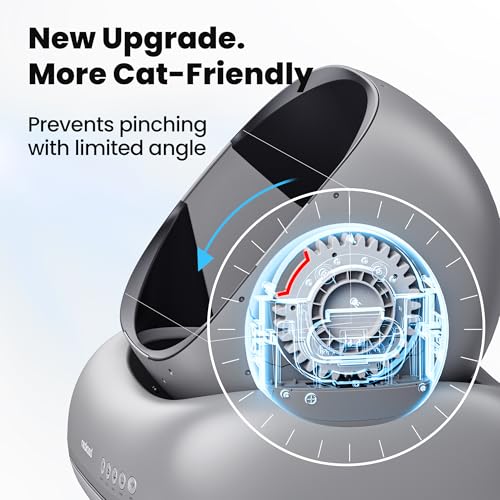
For daily use in a multi-cat household, think about access and cat behavior before convenience: open pans are easiest for timid cats and quick checks, covered or top-exit styles reduce mess but can deter large, senior, or conflict-prone cats, and automatic boxes must be quiet, sensor-safe, and large enough for every cat using them. Avoid single narrow entrances if one cat tends to block another, and introduce new self-cleaning or enclosed designs gradually so no cat is forced to change habits overnight. Owner sentiment aligns with this: simple open pans are liked for no-fuss use and easy scooping, automatic boxes are praised for reducing hands-on maintenance, setup is often described as straightforward, and front-entry/top-exit or guarded designs can reduce tracking and splashing though not eliminate all mess.
Value
A litter box is something you and your cat use every day, so value for money depends on more than the upfront cost. Look for durable materials, easy cleaning, good odor control, and a design your cat will actually use, because a cheap box that cracks, traps waste, or gets rejected can cost more in hassle and replacements. Be cautious of paying extra for features that do not make maintenance easier or improve your cat’s comfort.
For value, calculate around multi-cat workload: a box is worth more if it reduces daily scooping time, odor retention, litter scatter, or replacement frequency, but not if it is too small, hard to clean, or creates territorial avoidance. Basic open pans can be good as extra stations, while stainless or automatic boxes may justify a higher upfront investment when they hold up to heavy use, clean faster, and reduce chores; two-box options can also make sense because multi-cat homes often need multiple locations. Owners support this split: simple open pans are valued for doing the basic job without fuss, sturdier multi-box setups are seen as practical, stainless models are often considered justified by size and durability, and automatic boxes feel worthwhile when they save time, include useful safety or tracking features, and provide dependable waste handling.
1,000,000+ shoppers use Buyer's Guide every week to find the best products and services online.

Helping millions of users make smarter purchases online.


