










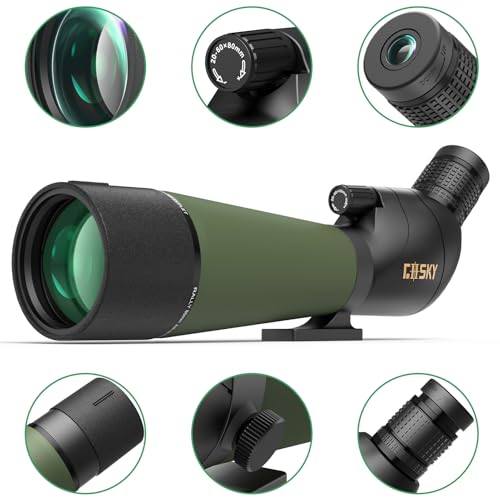







We also considered 10 others:


Our Top Choice
The order above is not editorial opinion, and it is not paid placement. It comes from what shoppers across our network actually do - which monoculars they compare, and which they ultimately buy. We re-rank as new data comes in, so the long-term favorites have to keep earning their spot against new entrants. The full method, including how we make money.
Monoculars Buyer's Guide
Monoculars are a tradeoff between reach, brightness, and carryability: more magnification can show distant animals or targets, but it also narrows the view and makes hand shake more obvious. Careful buyers should match the optic to the job—pocket spotting on hikes, tripod-supported long-range viewing, phone capture, or thermal/property scanning—rather than chasing the biggest number on the box.
Optical Clarity
A monocular is only useful if the image stays bright, sharp, and high-contrast enough to identify what you are seeing. Lens coatings, prism quality, objective size, and alignment matter more than advertised magnification alone, especially at dawn, dusk, in shade, or over long distances.
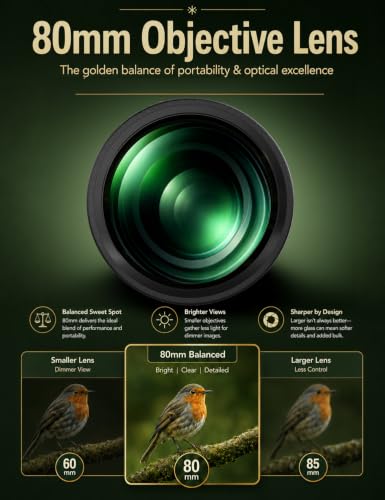
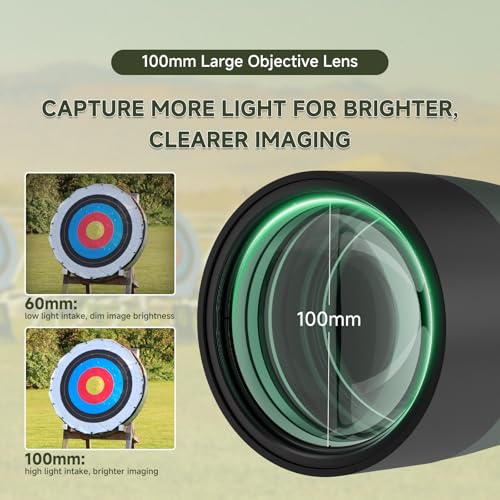
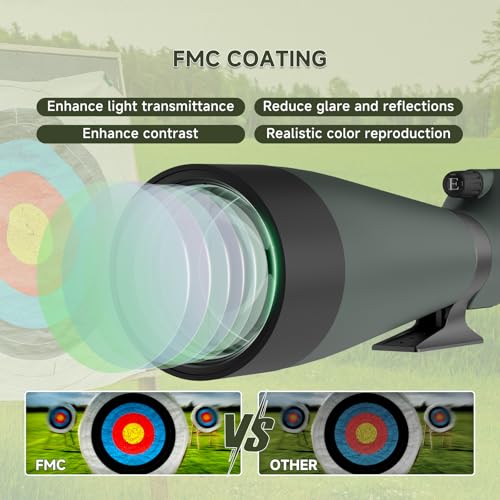
Look for fully multi-coated lenses, a quality roof or Porro prism, clean edge-to-edge detail, and enough objective diameter to keep the view bright for your intended use. For compact daytime carry, an 8x to 10x monocular with a moderate objective is often easier to use than a dim, shaky high-power model; for porch viewing, range use, or birding from a fixed spot, a larger objective can be worth the bulk. Avoid models that advertise extreme magnification without mentioning coatings, prism type, eye relief, or objective size, because those are common failure points for dim, soft, or tunnel-like views. Owner sentiment strongly supports this priority: the most praised units are repeatedly described as clear, sharp, bright, clean, crisp, and detailed, with strong optics making them useful for wildlife, birding, target use, moon observation, scenery, and distant objects.
Reach & View
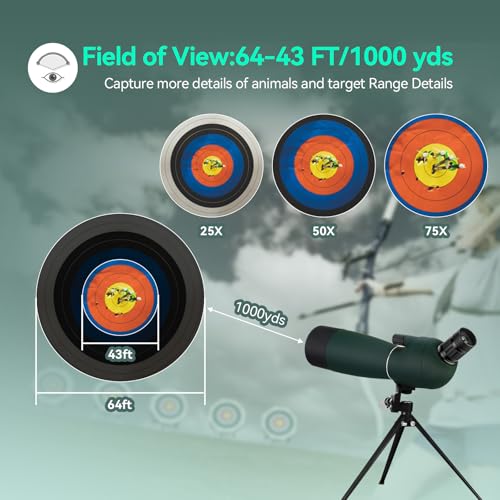
Reach is not just magnification; it is the combination of power, field of view, stability, and, for thermal models, detection capability. Too much zoom in a handheld monocular can make the image hard to steady and slower to find a moving subject.
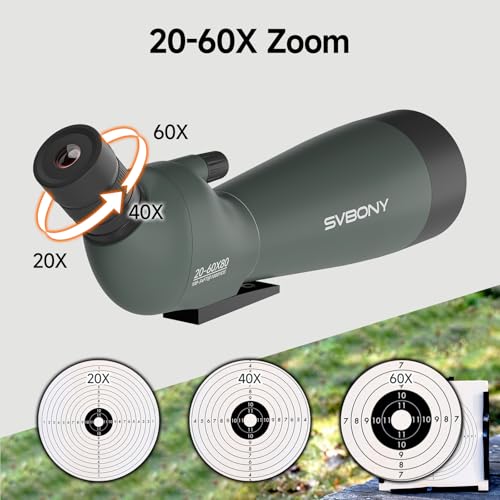
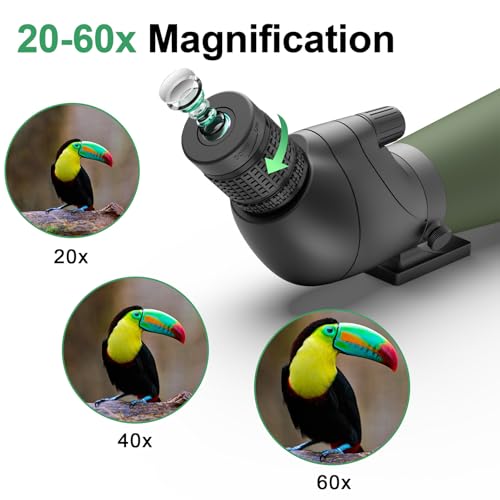
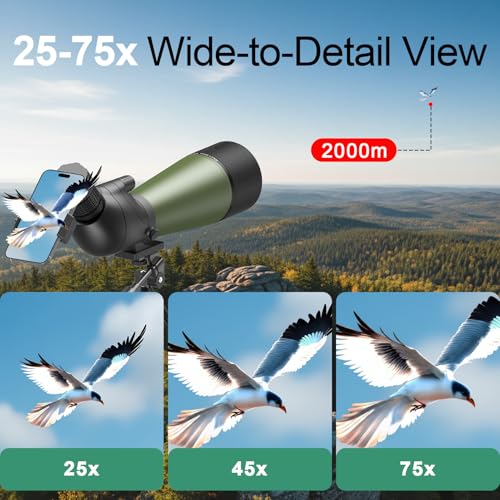
Choose magnification by how you will actually scan: 8x–10x is typically the sweet spot for handheld hiking, hunting, ballgames, and quick wildlife checks, while 12x and above benefits from bracing, a monopod, or a tripod. If you want a zoom monocular or spotting-scope-style unit, check whether clarity holds at the high end, because many optics look acceptable at low power but soften, darken, or become hard to focus when zoomed in. For thermal monoculars, compare detection range separately from identification range, and pay attention to sensor resolution, display clarity, refresh smoothness, and whether the unit helps distinguish animals from warm background clutter. Owner feedback points the same way: long-range zoom and detection range are major positives when they remain clear and usable, and buyers specifically value optics that help spot wildlife, game, targets, boats, landscapes, and animals that would otherwise be missed.
Fast Handling
A monocular is often used one-handed and quickly, so awkward controls can ruin an otherwise good optic. Smooth focus, sensible zoom control, comfortable eyecups, and fast setup are especially important when birds, wildlife, or targets will not wait.
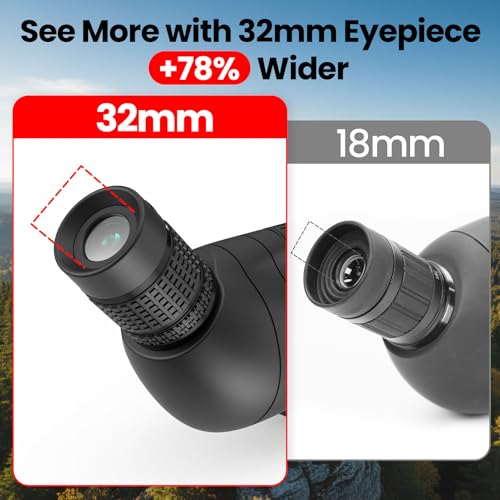
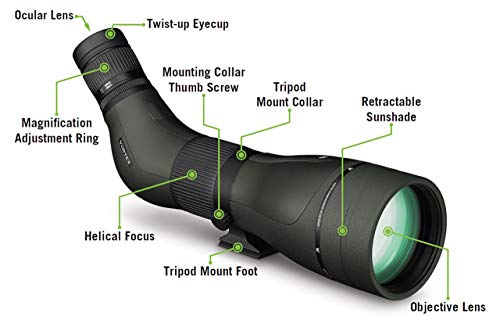
Prioritize a focus wheel or ring that is easy to find by touch, turns smoothly without slop, and lets you move from near to far without excessive fiddling. If you wear glasses, check eye relief and eyecup design; short eye relief can make the view feel cramped and can cut off the edges. For hunting, hiking, boating, or birding, a grippy body and one-handed focus are more valuable than complicated features that slow you down in the field. Owner sentiment backs this up: highly liked monoculars and scopes are described as easy to set up, easy to focus, smooth to adjust, unfussy, comfortable, and simple enough for quick spotting or use by people without much technical confidence.
Carry Fit
The best monocular is the one you actually carry. Size, weight, case design, and pocket fit determine whether it stays close at hand or gets left in the car when you need it.
For backpacking, motorcycle travel, sightseeing, stadium use, or everyday carry, favor a compact body that fits a jacket pocket, pack strap pouch, console, or belt case without feeling like a chore. If you need more light-gathering power or long-range zoom, accept that the optic may move from true pocket monocular to bag-carried or tripod-supported gear. Check the included case, strap attachment points, and whether the shape is easy to grip with gloves or wet hands. Owners repeatedly praise light, compact, pocketable designs that are easy to keep in a backpack, bag, vehicle console, case, or pocket, especially for hiking, camping, travel, animal spotting, and quick viewing on the go.
Rugged Build
Outdoor monoculars get bumped, dropped, rained on, and exposed to temperature changes. A solid body, rubber armor, sealed optics, and dependable focusing mechanism protect both the view and the investment.
Look for rubber armor, a grippy exterior, firm eyecups, a tight focus mechanism, and waterproof or at least weather-resistant sealing if the monocular will be used around rain, snow, boats, hunting blinds, or dusty trails. Nitrogen or argon purging helps prevent internal fogging when moving between warm and cold conditions. Avoid flimsy tripod sockets, loose focus rings, and decorative housings that feel slippery or hollow, because those tend to fail first under real field use. Owner reports make build a clear separator: praised models feel sturdy, solid, professional, well-finished, giftable, and durable enough for rough outdoor use, including drops and temperature swings.
Kit Value
Accessories can make a monocular more useful, but only if they are stable, compatible, and easy to use. A poor tripod, phone adapter, or case can add clutter without improving the experience.
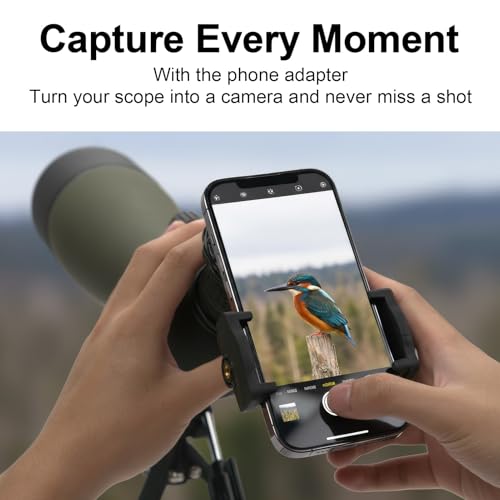
Judge value by the usable whole kit, not just the optic: a case protects lenses, a strap prevents drops, a tripod or monopod steadies high magnification, and a phone adapter can help with documentation if it aligns securely with your camera. For digiscoping, check that the adapter fits your phone size and camera layout, holds alignment without sagging, and does not make the setup too slow for moving wildlife. Treat bundled tripods cautiously for high-power viewing; lightweight tabletop legs may be fine for casual use but can wobble outdoors or at maximum zoom. Owner sentiment consistently rewards good value packages, especially when capable optics come with useful accessories such as a tripod, phone holder or adapter, carrying case, travel bag, strap, or swivel support without making the setup feel fussy.
1,000,000+ shoppers use Buyer's Guide every week to find the best products and services online.

Helping millions of users make smarter purchases online.


