











We also considered 10 others:


Our Top Choice
The order above is not editorial opinion, and it is not paid placement. It comes from what shoppers across our network actually do - which moisture meters they compare, and which they ultimately buy. We re-rank as new data comes in, so the long-term favorites have to keep earning their spot against new entrants. The full method, including how we make money.
Moisture Meters Buyer's Guide
A moisture meter is really three tools that share a name: a plant-watering probe, a wood or firewood tester, and a wall or building-material scanner. The sharpest buying tradeoff is precision versus surface protection: pins and probes can give more direct contact, while pinless meters avoid holes but may require more careful interpretation. The other big concern is trusting the right reading for the right material, because soil surface dryness, wood density, hidden wall moisture, and extra pH modes can all mislead a casual shopper.
Job Fit
Moisture meters are not all built for the same job: a house-leak scan, a firewood check, and a potted-plant watering decision put the sensor in very different materials. The best choice is the one calibrated and shaped for the material you actually test most often, rather than the one with the longest feature list.
Start by choosing the meter type around your main material. For house walls and damaged drywall, look for a mode intended for building materials and decide whether you need pinless scanning to avoid holes or pin-style contact for more localized readings. For firewood and lumber, prioritize wood species or material settings, a clear wood-moisture percentage, and a range that covers both wet and burn-ready wood. For plants, choose a soil probe long enough for pots or beds, and treat extra pH, light, and temperature modes as secondary unless those functions are known strengths. Owner feedback supports this: buyers praised meters that handled everyday jobs such as locating moisture sources, tracking when an area was dry enough to repair, checking firewood, and managing watering. They also liked multi-function gardening meters and multi-material shop meters, but value was strongest when the added functions actually helped the task at hand.
Reading Trust
A moisture meter is useful only if its readings are consistent enough to guide action: water now or wait, burn now or dry longer, repair now or keep ventilating. Accuracy is especially tricky because surface moisture, material density, sensor depth, and meter style can all change the reading.
Look for repeatability more than a single perfect number: take several readings in nearby spots, compare wet versus dry reference areas, and expect different readings at the surface versus deeper material. For wood, a meter should clearly distinguish damp, borderline, and dry pieces; for drywall, it should help map wetter areas against a known-dry baseline; for soil, it should read near the root zone rather than just the top crust. Be cautious with pinless meters if you need pinpoint precision, and be cautious with all-in-one soil meters if pH is a deciding factor, because pH sensing is often less dependable than moisture sensing. Owners strongly valued moisture readings that helped avoid over- and under-watering, caught hidden moisture, matched expected wet or dry wood conditions, and were fast and consistent enough for practical decisions. The weaker sentiment clustered around confidence gaps: pinless readings were sometimes seen as less precise than prong-style meters, soil checks could require waiting or multiple readings, and pH performance drew divided reactions.
Probe Contact
The sensor has to reach the moisture you care about. A shallow probe can miss water at plant roots, while the wrong pin or pad style can either damage finished surfaces or fail to isolate the exact wet spot.
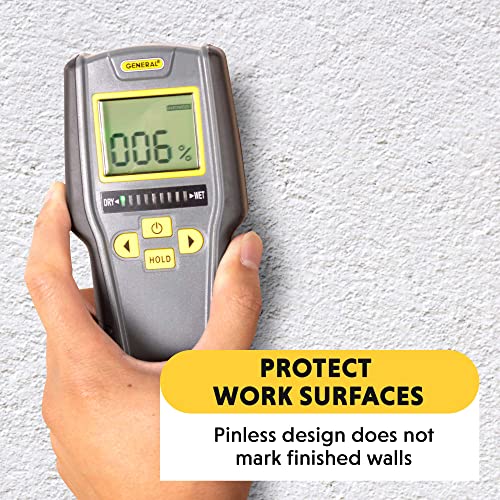
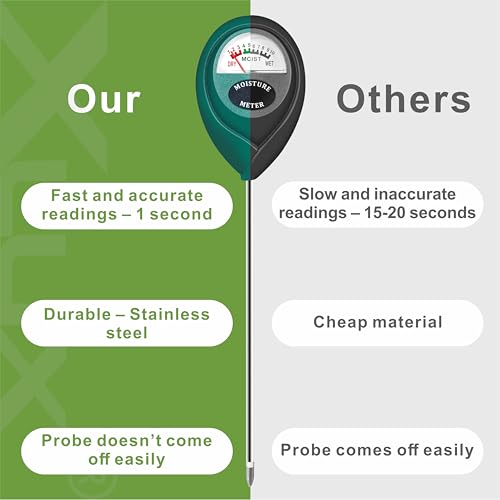
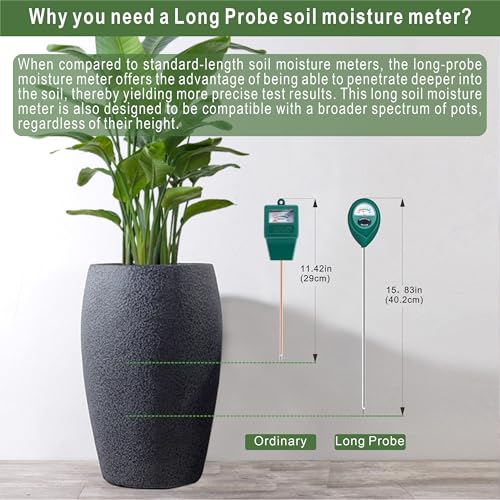
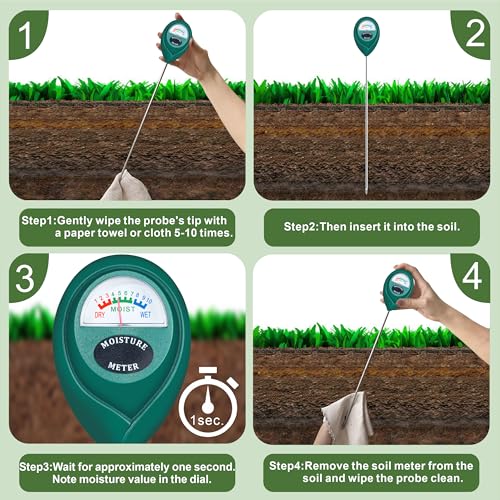
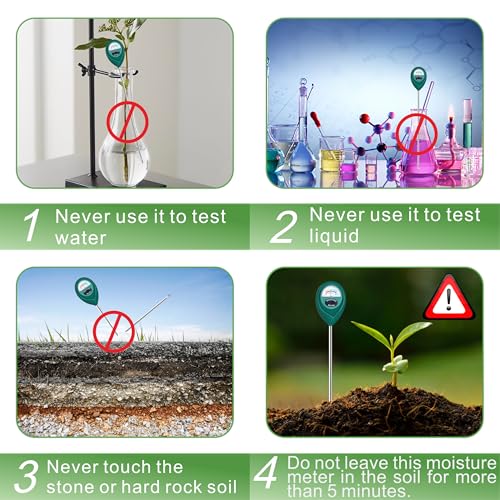
For plant care, favor a slim, long soil probe that reaches the root zone in deep pots, raised beds, and in-ground plantings; a short probe can be fooled by dry-looking surface soil. For wood, sturdy pins are useful because they contact the material directly, but they should be protected from bending and easy to press in consistently. For finished walls, flooring, or trim, pinless contact is attractive because it avoids pin holes, but it should be used as a scanning tool and verified with repeat checks when the result matters. Owners specifically called out long probes as valuable for reaching deeper soil and noted that moisture checking was better than judging by the surface. They also appreciated meters that checked walls without leaving pin holes, while durability concerns focused on pins after repeated use.
Clear Display
Moisture checks are often done in awkward places: dim basements, woodpiles, crowded pots, or repair areas where you need a quick yes-or-no decision. Clear numbers, obvious modes, and readable indicators reduce mistakes and make it easier to compare readings over time.
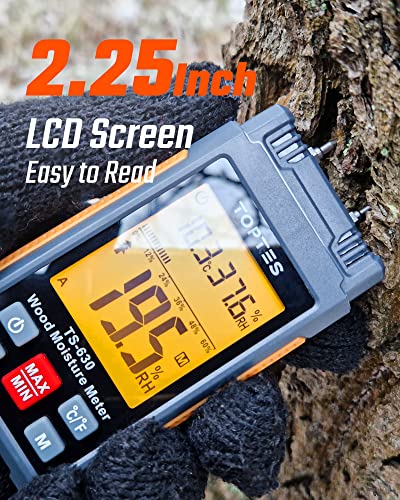
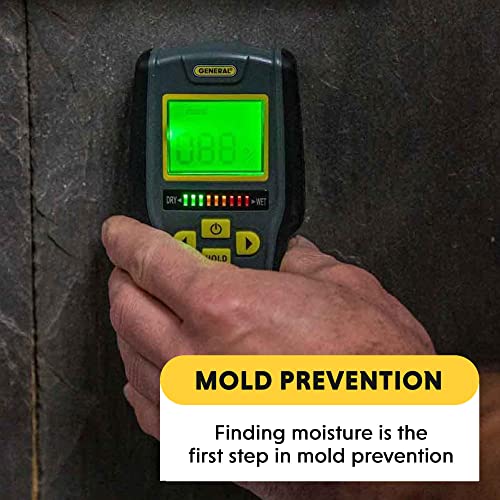
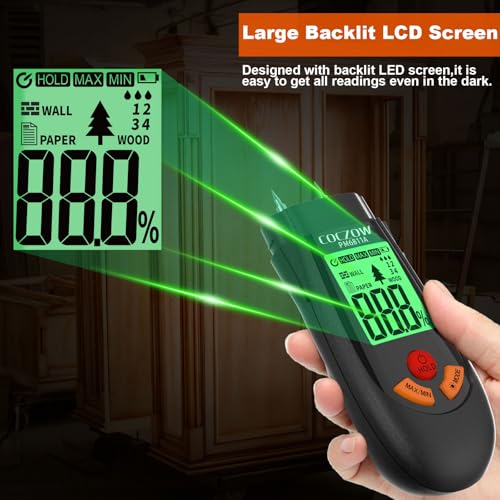
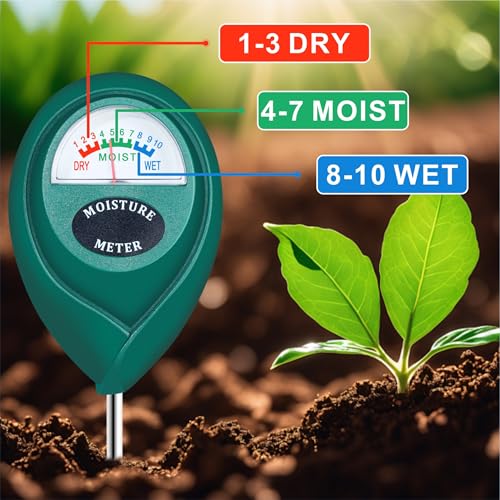
Choose a display you can read in the conditions you will actually use it in: backlighting for crawlspaces and wood storage areas, large digits for quick checks, and simple wet/dry or color indicators when sorting many pieces of firewood. If the meter has multiple modes, the mode label should be obvious so you do not accidentally test drywall on a wood setting or soil on the wrong scale. Controls should be simple enough to operate with one hand while holding a probe, flashlight, or piece of wood. Owners repeatedly praised digital displays, clear screens, bright backlights, color-changing moisture indicators, and straightforward controls. The main caution is that readability was not universally perfect; some buyers still struggled with certain dials or displays even when many others found them clear.
Build Reliability
A moisture meter may sit unused for weeks and then be needed immediately for a leak, a wood delivery, or a watering problem. Durable probes, stable housings, and dependable power matter because weak contact or a dead battery can make readings suspect when timing matters.
Inspect the parts that take abuse: pins should be straight and protected, soil probes should resist bending, housings should tolerate shop or garden handling, and battery compartments should be secure. If you prefer a no-fuss plant meter, a battery-free design can be appealing; if you need a digital meter, check whether it has auto-off, common battery sizes, and a display that does not dim too quickly. For frequent shop or household use, a slightly more robust body and replaceable or protected pins are more important than extra modes you will rarely use. Owners described several meters as well-built, dependable, and suited to regular use, and some liked tools that worked right away without batteries or charging. The main watch-outs were weak included batteries, faster-than-expected battery drain, and concern that pins could be the first part to wear or fail after repeated use.
Practical Value
The cheapest meter can be a good buy if it answers the one question you have, but unnecessary modes can create false confidence if they are not accurate. Value in this category comes from reliable moisture decisions, not from a crowded spec sheet.
Buy the simplest meter that handles your real use case well: a basic long-probe soil meter for watering decisions, a wood-focused meter for firewood and lumber, or a building-material meter for leak tracing and repair timing. Pay extra only for features that reduce mistakes in your workflow, such as material modes, a backlit screen, pinless scanning for finished surfaces, or a rotating head for awkward angles. Be skeptical of paying for secondary pH or light functions if moisture is the main reason you are buying, unless those readings are clearly important and dependable. Owner sentiment often framed value around usefulness: buyers liked meters that replaced guesswork, performed as expected, and helped investigate leaks or firewood dryness without needing pricier equipment. Multi-function models were seen as worthwhile when the extra functions made the tool more useful, but questionable secondary measurements could undermine trust.
1,000,000+ shoppers use Buyer's Guide every week to find the best products and services online.

Helping millions of users make smarter purchases online.


