


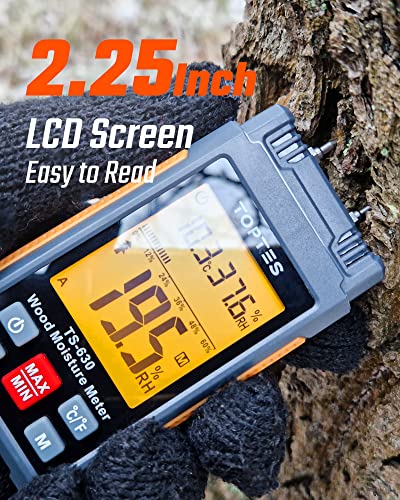


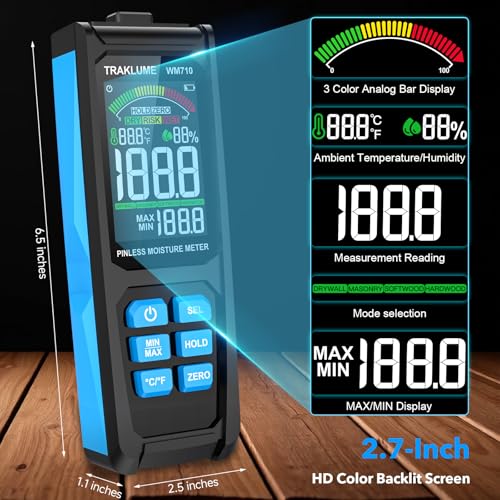


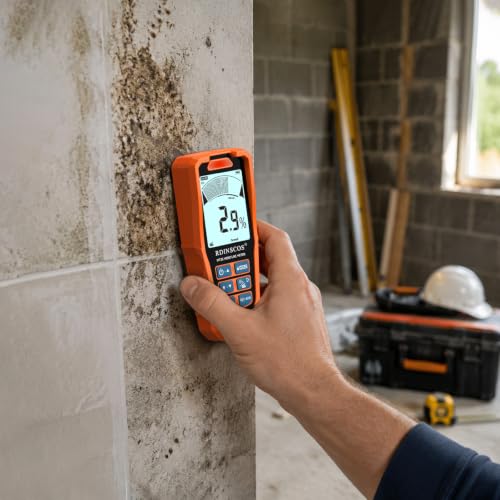


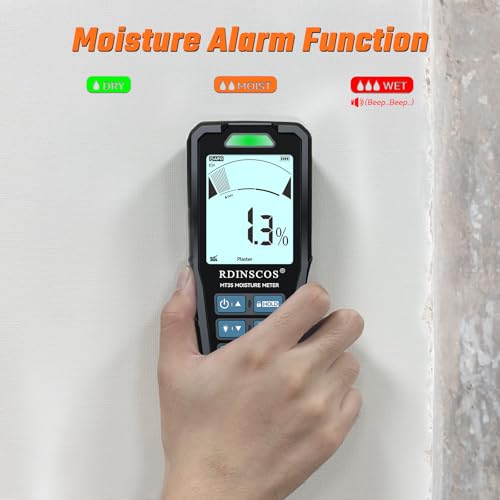







We also considered 10 others:


Our Top Choice
The order above is not editorial opinion, and it is not paid placement. It comes from what shoppers across our network actually do - which lumber moisture meters they compare, and which they ultimately buy. We re-rank as new data comes in, so the long-term favorites have to keep earning their spot against new entrants. The full method, including how we make money.
Lumber Moisture Meters Buyer's Guide
A lumber moisture meter is only useful if it matches the wood, depth, and decision you’re making: firewood readiness, staining, framing repairs, flooring acclimation, or leak tracing all need different confidence levels. The sharpest checks are whether the meter can be corrected for species/density and whether its pin or pinless sensing method will reach the moisture you care about without misleading you with surface dampness or poor contact.
Reading Trust
A moisture meter is useful only if its readings are consistent enough to guide action: water now or wait, burn now or dry longer, repair now or keep ventilating. Accuracy is especially tricky because surface moisture, material density, sensor depth, and meter style can all change the reading.
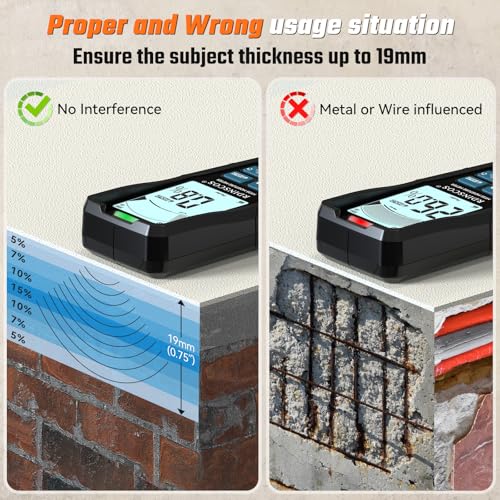
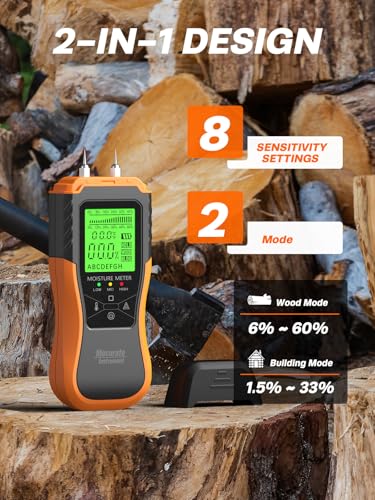
Prioritize a meter with wood-specific calibration options, clear moisture-range resolution, and species or density correction if you’re judging lumber for joinery, flooring, staining, or kiln-drying; a generic “wet/dry” indication is not enough when a few percentage points can change whether boards are ready to install or finish. For pinless models, check the stated scan depth and whether readings are affected by board thickness, knots, glue lines, metal fasteners, or uneven surfaces; for pinned models, look for stable readings along the grain and the ability to use insulated or longer probes when core moisture matters. Owner feedback supports this: buyers tend to value meters that give quick, clear readings, offer multiple material settings, and agree with expected wet-versus-dry conditions or another meter, while budget-friendly models are often praised as accurate enough for casual firewood, staining, and hidden-moisture checks rather than as laboratory-grade instruments.
Job Fit
Moisture meters are not all built for the same job: a house-leak scan, a firewood check, and a potted-plant watering decision put the sensor in very different materials. The best choice is the one calibrated and shaped for the material you actually test most often, rather than the one with the longest feature list.
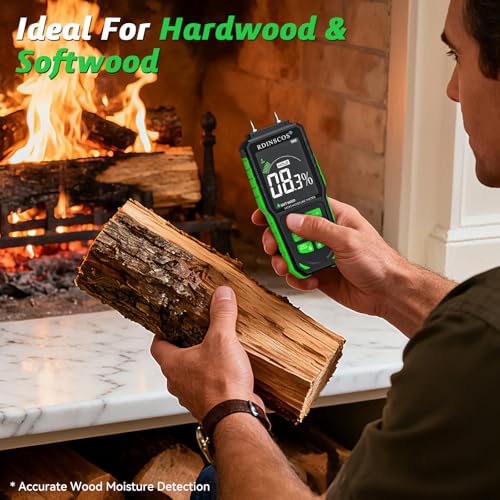
Choose by the actual lumber task, not just by the word “moisture.” For firewood, look for a simple pinned meter that reads split faces and helps confirm wood is below the usual burn-readiness range; for furniture, trim, flooring, or slabs, look for species correction, repeatable percentage readings, and a range suitable for low indoor-equilibrium moisture; for restoration or leak work around framing, a pinless scan mode can help map damp areas before making holes, but it should be backed up with pins when you need confirmation. Owner sentiment lines up with this split: shoppers like moisture meters that can locate hidden moisture behind surfaces and help decide when an area is dry enough to repair, but satisfaction depends heavily on expectations—some users see strong value in what the tool can reveal, while others expect more precision or capability than a general-purpose meter provides.
Probe Contact
The sensor has to reach the moisture you care about. A shallow probe can miss water at plant roots, while the wrong pin or pad style can either damage finished surfaces or fail to isolate the exact wet spot.
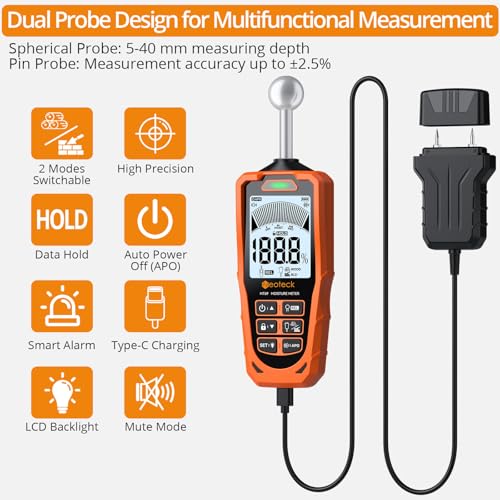
If you buy a pinned lumber meter, inspect the probe design carefully: sharp, replaceable pins, firm sockets, and enough pin length matter because shallow or loose contact can read only surface moisture and miss a wet core, especially in thick boards, slabs, framing, or recently dried firewood. Avoid relying on pin readings taken across end grain, dirty bark, painted surfaces, or only one spot; take multiple readings along the grain and, when possible, expose a fresh split or use longer insulated probes for depth-specific checks. Owner reports reinforce the importance of contact quality: pinless tools are appreciated because they can check common materials quickly without leaving holes, but pin-probe accuracy receives mixed reactions, with some users finding readings very accurate and others reporting wrong readings when probe contact or conditions are not ideal.
1,000,000+ shoppers use Buyer's Guide every week to find the best products and services online.

Helping millions of users make smarter purchases online.


