













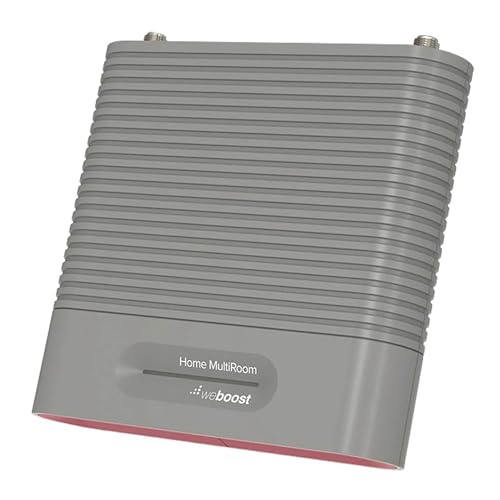







We also considered 10 others:


Our Top Choice
The order above is not editorial opinion, and it is not paid placement. It comes from what shoppers across our network actually do - which mobile phone signal boosters they compare, and which they ultimately buy. We re-rank as new data comes in, so the long-term favorites have to keep earning their spot against new entrants. The full method, including how we make money.
Mobile Phone Signal Boosters Buyer's Guide
Mobile phone signal boosters are a tradeoff between the signal you can capture outside and the coverage you expect inside. The sharpest buying risks are choosing a unit that does not match your carrier bands or installing the antennas in a way that limits gain, especially in rural homes, metal-roof buildings, and deep indoor dead zones.
Band Fit
A booster can only amplify signal that already exists at the outside antenna, and it must support the frequency bands your phone and carrier actually use. In this category, a model that works well for one household can disappoint another if the carrier, band, or outdoor donor signal is mismatched.
Start by confirming carrier and band compatibility before looking at advertised coverage. Check which LTE and 5G bands your phones use at the property, make sure the booster supports them, and verify that there is at least some usable outdoor signal where the donor antenna will mount; a booster cannot create service from nothing. For fringe rural locations, metal-roof homes, and weak indoor areas, prioritize a system with enough gain for the outside signal you can actually capture, not just the biggest square-foot claim. Owner feedback strongly supports this: the highest-weight praise centers on boosters turning weak or unusable indoor reception into reliable service, including rural homes, tough locations, and metal buildings. Buyers also reported stronger bars, steadier connections, and even faster data when the right signal was captured and amplified.
Antenna Setup
A signal booster’s antenna layout often matters as much as the amplifier itself. Poor aiming, weak separation between antennas, or sloppy cable routing can cause weak gains, feedback, or automatic power reduction.
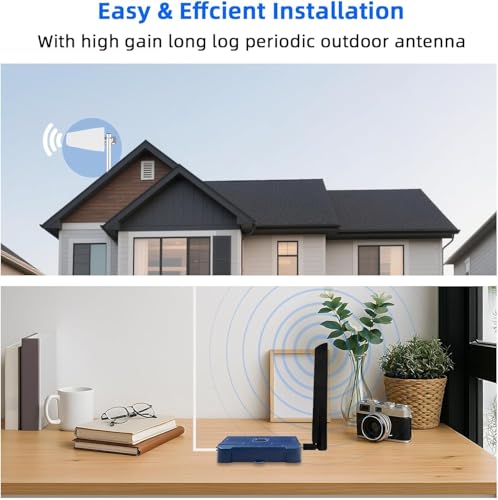
Choose a kit you can realistically install with the donor antenna high and aimed toward the best tower, the indoor antenna placed where you need service, and enough vertical or horizontal separation between them to prevent oscillation. Look for clear signal indicators, app or meter guidance, low-loss cable of suitable length, and mounting hardware that fits your roofline, attic, pole, or wall plan. Avoid assuming plug-in placement will work in a difficult house; antenna aiming and separation are the difference between a mild bar increase and dependable whole-room service. Owner sentiment repeatedly says setup can be quick and straightforward, with included cable, app guidance, and antenna aiming making installation manageable. The same feedback also shows that performance improves most when antennas are placed well, while app connectivity itself can be more mixed than the boosting performance.
Coverage Match
Advertised coverage assumes favorable conditions, but real homes lose signal through walls, metal roofing, low-E glass, basements, and long floor plans. A careful buyer should match the system to the building’s construction and the specific rooms where service fails.
Size the booster for the usable outside signal and your building materials, not only the claimed maximum square footage. Metal roofs, steel siding, concrete, foil-backed insulation, and deep interior rooms usually require better antenna placement and may need directional indoor antennas or multiple indoor coverage points. If the goal is an entire home, consider whether the indoor antenna pattern will reach the bedrooms, office, or basement dead zones rather than just improving one central room. Owners consistently valued systems that turned weak indoor reception into a steadier connection across a home. Several reports specifically highlight success in difficult structures, including metal buildings and homes where indoor service had been unreliable or unusable.
Call & Data
Bars are only useful if calls connect, voice stays clear, and data behaves reliably in the places you use the phone. The best booster choice is the one that improves everyday communication, not just the one with the most impressive display reading.
Judge performance by call reliability, dropped-call reduction, upload ability, hotspot usability, and data consistency in the rooms that matter. For 5G, check whether the booster supports the relevant cellular bands and understand that many boosters amplify certain 4G/LTE and low-band 5G signals rather than every 5G technology. Avoid buying solely for “full bars”; a smaller but stable gain can be more valuable if it fixes dropped calls and slow data. Owner reports align with this practical standard: improved reception translated into clearer calls, fewer data issues, reduced dead zones, and more dependable service. Buyers repeatedly described weak indoor service becoming noticeably stronger, with faster data when antennas were placed well.
Build & Tools
Boosters are often mounted in utility spaces, attics, garages, or offices and may run continuously for years. Solid construction, useful indicators, and reliable monitoring make it easier to diagnose signal problems and keep the system working safely.
Look for a sturdy amplifier housing, clear status lights or display readouts, automatic gain control, overload or oscillation warnings, and ventilation appropriate for continuous operation. Helpful apps or displays can make tower aiming and troubleshooting easier, but they should support—not replace—sound antenna placement. Be cautious with flimsy hardware, unclear alarms, or systems that give no feedback when the signal is overloaded or the antennas are feeding back into each other. Owners often described well-built hardware with substantial metal cases, helpful displays, durable materials, and good workmanship. Sentiment on app-based connectivity was more mixed, but buyers still found monitoring and setup tools useful when they helped locate towers or confirm signal behavior.
True Value
A good value in this niche is not the cheapest amplifier; it is the least wasteful system that supports your carrier, has enough gain for your donor signal, and can be installed correctly in your building. Underpowered or incompatible boosters save nothing if they fail to fix the dead zone.
Compare value by confirmed band support, included antennas and cable quality, realistic coverage, certification for legal cellular boosting, and the ability to return or troubleshoot if your outdoor signal is inadequate. Do not pay extra for exaggerated square-foot claims you cannot use, but also avoid bargain systems that lack the bands, gain, or build quality needed for a rural or metal-roof setting. The best purchase is one that solves the specific reception problem with safe, compliant amplification. Owner feedback shows value satisfaction when boosters delivered meaningful reception gains and useful band support. Buyers also noted that solid hardware and stronger signal performance can feel worth paying for compared with cheaper options that may not produce as strong a result.
1,000,000+ shoppers use Buyer's Guide every week to find the best products and services online.

Helping millions of users make smarter purchases online.


