

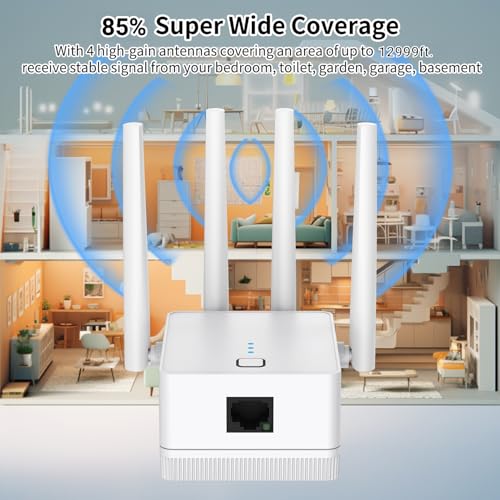





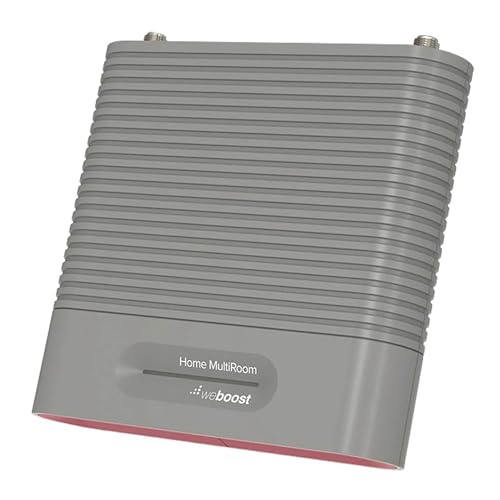





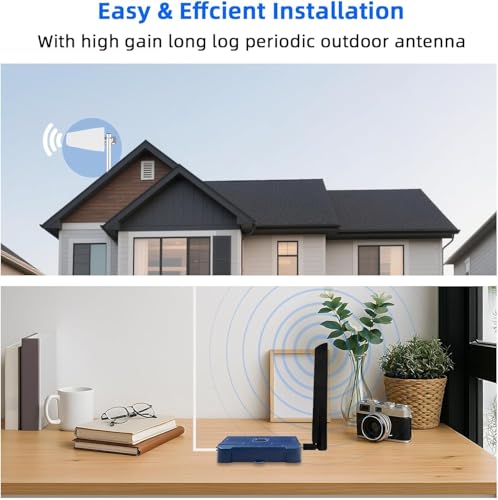









We also considered 10 others:


Our Top Choice
The order above is not editorial opinion, and it is not paid placement. It comes from what shoppers across our network actually do - which cell phone signal boosters they compare, and which they ultimately buy. We re-rank as new data comes in, so the long-term favorites have to keep earning their spot against new entrants. The full method, including how we make money.
Cell Phone Signal Boosters Buyer's Guide
A cell phone signal booster can only rebroadcast what the outdoor antenna can capture, so the real buying decision is less about “more bars” and more about donor signal quality, carrier-band compatibility, and antenna placement. Shoppers should be especially wary of homes with almost no outdoor signal, metal construction, long cable runs, or unrealistic coverage claims, because those conditions determine whether the booster becomes a whole-home fix or only helps one room.
Donor Signal
A cell signal booster amplifies an existing tower signal; it cannot generate coverage from nothing. The outdoor antenna location, tower direction, and quality of the signal it receives often matter more than the amplifier’s headline rating. This is why two homes with the same booster can have very different results.
Before buying, verify that there is usable signal outside or at roof/eave height from the carrier you actually use; a booster cannot create service where the donor antenna cannot receive it. Check supported frequency bands for your carrier, confirm whether you need 4G LTE, low-band 5G, or both, and plan for a directional outdoor antenna if the nearest tower is weak or distant. Avoid judging by phone bars alone—test calls, data, and signal readings in multiple outdoor spots, because a poor donor location can make even a strong booster underperform. Owner feedback supports this: many buyers report unusable indoor service becoming reliable, with fewer dropped calls and restored calling or hotspot use, including in metal buildings. But sentiment is also clear that results are highly situation-dependent, with some homes seeing dramatic gains and others only a small lift or none at all.
Coverage Layout
Indoor coverage depends on both amplifier strength and how the rebroadcast signal is distributed through the building. A single indoor antenna may be enough for an open area but weak for separated rooms or shielded construction. Good layout planning prevents dead zones and feedback between antennas.
Choose coverage based on the building’s actual layout, materials, and where phones are used—not just the advertised square footage. Metal roofs, foil-backed insulation, concrete, basements, long hallways, and separated rooms can require a stronger system, multiple indoor antennas, or careful antenna placement; one indoor panel antenna may not evenly cover a large or chopped-up floor plan. Also make sure the outdoor and indoor antennas can be separated far enough to prevent feedback/oscillation, especially in smaller homes or RV-like layouts. Owners often praise boosters for improving reception across homes and offices, and some report strong gains in difficult spaces such as metal buildings. At the same time, reports of variable improvement reinforce that layout and construction can determine whether coverage reaches the whole home or only the rooms closest to the inside antenna.
Stable Service
A good booster should turn marginal reception into dependable communication, not merely display a higher bar count. Voice, data, and hotspot reliability depend on signal quality and stability as well as raw strength. Testing real use cases after installation is the best way to confirm the system is actually solving the problem.
For stable calls and data, prioritize consistent signal quality over peak bar count: look for automatic gain control, overload protection, clear status indicators, and enough antenna separation so the booster does not shut itself down or throttle output. If the outdoor signal is strong but noisy, or if the donor antenna is pointed toward the wrong tower, you may see bars without dependable calls or usable data; test voice, texting, hotspot use, and upload/download performance after install. Households that need emergency calling, remote work, or medical-device connectivity should be conservative and confirm reliability at the exact locations where phones will be used. Owner sentiment is strongest around this dimension: buyers frequently describe fewer dropped calls, clearer voice, usable data, and service that no longer requires stepping outside. However, the same feedback notes that improvements range from major reception jumps to modest or negligible gains depending on the starting signal and setup.
Install Tuning
Small changes in antenna direction, height, and cable routing can make a large difference in booster performance. Installation is usually within reach for a capable DIYer, but it is not the same as plugging in a router. Better tuning aids and clearer hardware reduce wasted time and failed placements.
Plan the installation as a tuning project, not a plug-in gadget: the outdoor antenna may need to be mounted high, aimed in small increments, and connected with the shortest practical low-loss cable run. Confirm you can route cable safely through walls, attics, roofs, or windows, weatherproof outdoor connections, ground the system where required, and keep the donor and indoor antennas separated vertically and horizontally to avoid oscillation. A model with readable signal meters, app-based aiming help, or clear band/gain indicators is much easier to optimize than one that only shows generic lights. Owner feedback aligns with this: buyers often find installation manageable when they prepare, aim the outside antenna carefully, and match the booster to their carrier bands. Positive reports also show that well-tuned installs can turn weak indoor reception into reliable calling and better data, while mixed reports show that poor placement or an unfavorable signal environment can limit the payoff.
1,000,000+ shoppers use Buyer's Guide every week to find the best products and services online.

Helping millions of users make smarter purchases online.


