


















We also considered 10 others:


Our Top Choice
Compare Features


The order above is not editorial opinion, and it is not paid placement. It comes from what shoppers across our network actually do - which mini window ac units they compare, and which they ultimately buy. We re-rank as new data comes in, so the long-term favorites have to keep earning their spot against new entrants. The full method, including how we make money.
Mini Window AC Units Buyer's Guide
Mini window AC units are a space-saving tradeoff: they can cool a bedroom, office, nursery, or guest room without taking over the window, but only if the BTU rating, window opening, seal, and electrical load match the room. The sharpest checks are fit and support in a small window, plus whether the unit can actually remove heat and humidity without leaking, vibrating, or failing after a season.
Build
A well-built air conditioner is more likely to hold up through heavy use, frequent starts and stops, and seasonal storage without rattles, leaks, or early part failures. Look for sturdy housing, well-fitted panels, durable controls, and signs that the unit is designed for easy maintenance, since poor build quality can lead to louder operation, reduced cooling performance, and higher repair hassle over time.
For build, prioritize a rigid chassis, secure side panels, weather-resistant sealing hardware, and a design that locks the lower sash or otherwise prevents the window from being opened from outside. Mini units are often chosen because they are light, but avoid flimsy frames, loose accordion panels, weak plastic mounting pieces, or designs that leave large gaps where rain, insects, hot air, or security risks can enter; also check whether the unit can tolerate seasonal storage or year-round installation without mildew odors, drainage problems, or loss of cooling. Owner feedback supports this split: many buyers describe small window units as sturdier and better built than expected, with manageable installation parts and even window-security benefits, while the main long-term complaints involve failures after limited use, pump issues, mildew-smelling airflow, or units that stop blowing cold air.
Cooling
Cooling performance matters because it determines how quickly and consistently an air conditioner can bring your room to a comfortable temperature. Look for a unit with enough output for your room size, and watch out for models that are underpowered, which may run constantly without cooling well, or oversized, which can short-cycle and leave the space feeling clammy. If you want year-round use, also consider whether its heating performance is strong enough for your climate and room needs.
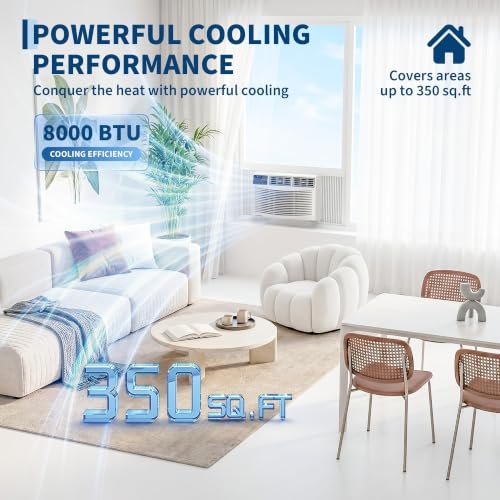
For cooling, match the BTU rating to the actual room size, sun exposure, ceiling height, insulation, and whether the room opens to a hallway or attached space; an undersized mini AC will run constantly and stay humid, while an oversized one may short-cycle and leave the room clammy. Look for strong airflow direction control, a real thermostat or eco mode, washable filtration, and enough dehumidification for bedrooms where doors are closed overnight; be cautious if you expect one compact unit to cool multiple rooms or a very hot top-floor space. Owner sentiment is strongest when these units are used in the right niche: buyers repeatedly praise compact models for quickly cooling bedrooms and small rooms, sometimes making them cold fast, and several say small-room performance feels impressive for the size.
Installation
Installation matters because the right air conditioner only works well if it fits your window, wall, or room setup securely and vents properly. You should check the unit’s size, weight, mounting requirements, included hardware, and whether you’ll need help lifting it or sealing gaps. Watch for models that are awkward to position or require permanent changes if you rent or want an easy seasonal removal.
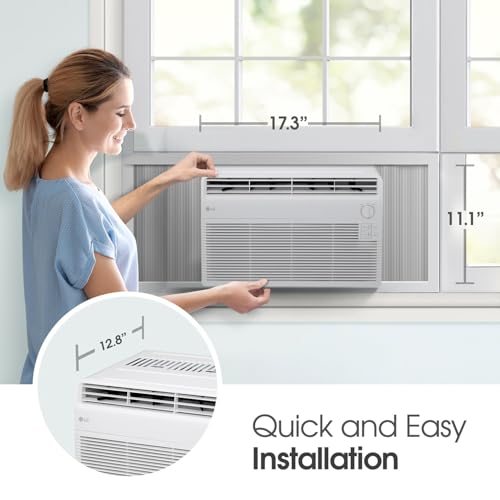
For installation, measure the exact window opening width, minimum sash height, sill depth, storm-window interference, and whether your window type is compatible before buying; many mini window ACs assume a standard vertical single- or double-hung window. Also confirm the unit includes the right brackets, foam, side panels, drainage angle, and sash-locking hardware, and plan for a dedicated grounded outlet nearby without an extension cord; even lighter models still need safe support and a tight seal to prevent vibration, leaks, and hot-air infiltration. Owners generally reinforce installation as a strength for this category, often describing compact units as lightweight, simple to mount, and supplied with window pieces or sealing materials, though some note that even small units can still feel heavy when positioning them.
Value
Value matters because an air conditioner can be affordable up front but costly to run, noisy to live with, or too weak for your space. Look for a unit that balances purchase price with cooling performance, energy use, reliability, and features you’ll actually use, and watch out for paying extra for capacity or extras that don’t improve comfort in your room.
For value, buy around the job rather than the cheapest rating: the best mini window AC value is a unit that fits your window cleanly, cools the intended small room without constant full-power running, seals well, and has serviceable filters and durable controls. Avoid paying for features you will not use, but do not save money by accepting poor fit, inadequate BTUs, weak mounting hardware, or questionable durability, because leaks, noise, poor cooling, and early failure erase the savings quickly. Owner sentiment backs the category’s value appeal: shoppers often feel basic compact units are worthwhile for bedrooms, offices, guest rooms, and starter cooling needs, especially when the construction feels sturdy and the unit handles summer heat effectively.
1,000,000+ shoppers use Buyer's Guide every week to find the best products and services online.

Helping millions of users make smarter purchases online.


