
















We also considered 10 others:


Our Top Choice
Compare Features


The order above is not editorial opinion, and it is not paid placement. It comes from what shoppers across our network actually do - which 5000 btu window air conditioners they compare, and which they ultimately buy. We re-rank as new data comes in, so the long-term favorites have to keep earning their spot against new entrants. The full method, including how we make money.
5000 BTU Window Air Conditioners Buyer's Guide
A 5000 BTU window air conditioner is a small-room tool, so the core tradeoff is compact, affordable cooling versus limited capacity and often noticeable bedroom noise. The sharpest checks are whether your window and room actually match the unit, and whether the noise, sealing, drainage, and long-term reliability are acceptable for sleeping or daily work.
Build
A well-built air conditioner is more likely to hold up through heavy use, frequent starts and stops, and seasonal storage without rattles, leaks, or early part failures. Look for sturdy housing, well-fitted panels, durable controls, and signs that the unit is designed for easy maintenance, since poor build quality can lead to louder operation, reduced cooling performance, and higher repair hassle over time.
For a 5000 BTU window AC, prioritize a compact but rigid chassis, secure window-locking hardware, washable filter access, and included side panels/seals that actually close the gaps in a small bedroom or office window. Avoid flimsy frames, poor drainage design, or units with a pattern of losing cooling after only a season, because low-capacity units are often bought for occasional use and may sit installed through weather changes. Owner feedback generally supports that many basic 5000 BTU units feel better built than expected, install easily because they are relatively light, and can last well; however, durability is the main watch-out, with some reports of early failure or no longer blowing cold air.
Cooling
Cooling performance matters because it determines how quickly and consistently an air conditioner can bring your room to a comfortable temperature. Look for a unit with enough output for your room size, and watch out for models that are underpowered, which may run constantly without cooling well, or oversized, which can short-cycle and leave the space feeling clammy. If you want year-round use, also consider whether its heating performance is strong enough for your climate and room needs.
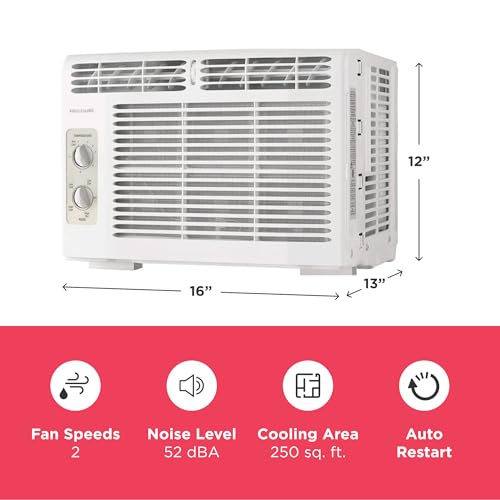
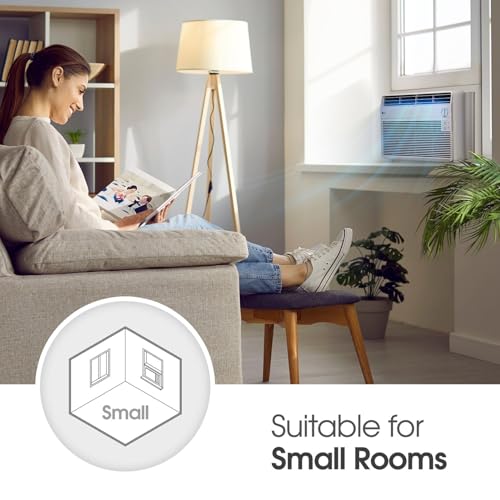
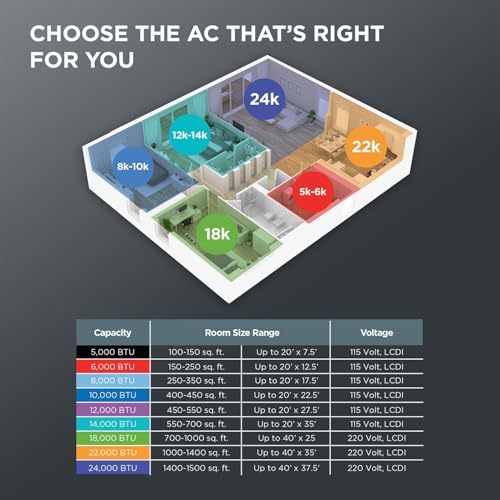
Size the unit to the actual room: 5000 BTU is best for a small enclosed bedroom, office, nursery, or guest room, not an open living area, high-ceiling room, sun-baked space, or multiple connected rooms unless expectations are modest. Look for strong airflow, a usable thermostat, multiple fan speeds, and enough dehumidification for muggy nights; avoid assuming a 5000 BTU unit can overcome poor insulation, large west-facing windows, or doors left open. Owner sentiment backs this use case: buyers most often praise these units for cooling small bedrooms quickly and effectively, with some success in slightly attached spaces, but the strongest satisfaction comes when the room size matches the small-unit capacity.
Installation
Installation matters because the right air conditioner only works well if it fits your window, wall, or room setup securely and vents properly. You should check the unit’s size, weight, mounting requirements, included hardware, and whether you’ll need help lifting it or sealing gaps. Watch for models that are awkward to position or require permanent changes if you rent or want an easy seasonal removal.
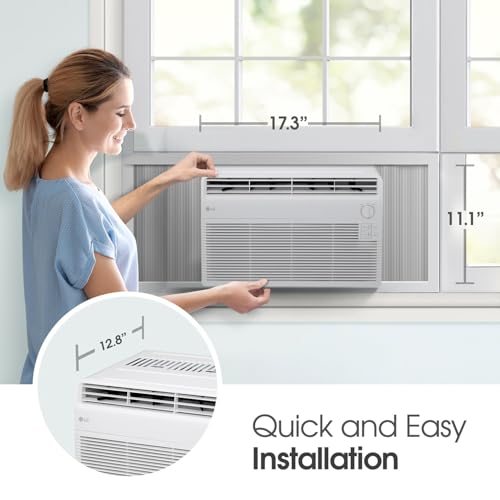
Before buying, measure the window opening, sash height, sill depth, and outlet location; most 5000 BTU models are intended for standard double-hung windows, and a poor fit can cause air leaks, vibration, water drainage problems, or security gaps. Check that the kit includes side curtains, foam seals, brackets or locking hardware, and clear instructions, and make sure the unit can be tilted slightly outward if required for drainage. Owners commonly find this class easy to install because the units are compact and often light enough for one careful person, with included sealing materials helping, though some still describe the unit as awkward or heavy to move.
Value
Value matters because an air conditioner can be affordable up front but costly to run, noisy to live with, or too weak for your space. Look for a unit that balances purchase price with cooling performance, energy use, reliability, and features you’ll actually use, and watch out for paying extra for capacity or extras that don’t improve comfort in your room.
The best value in a 5000 BTU window AC is not the most feature-heavy model; it is the one that cools the intended small room reliably, seals the window well, uses standard household power, and does not force you to buy extra installation materials. Compare energy efficiency, warranty coverage, filter access, and whether you truly need extras like smart controls or ultra-quiet construction for a bedroom. Owner feedback strongly frames this category as a value buy: shoppers often feel satisfied when an inexpensive, basic unit handles summer heat in a bedroom, office, or guest room without unnecessary complexity.
Controls
Good controls make an air conditioner easier to live with every day, especially when you want to adjust temperature, fan speed, mode, or timers without getting up. Look for a clear, responsive remote control and an on-unit panel that is easy to read and use, since small buttons, vague icons, or buried settings can make routine adjustments frustrating.
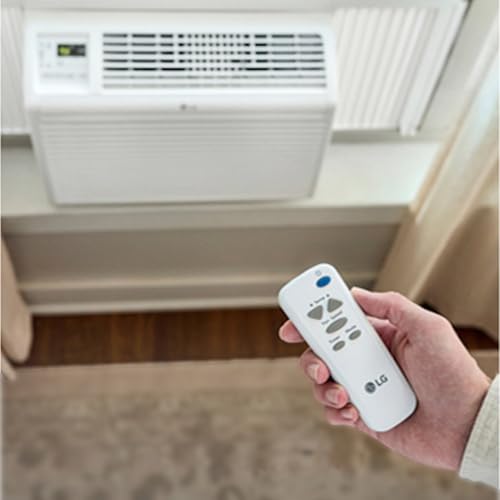
For a small bedroom unit, controls matter most at night: look for a thermostat that does not wildly overshoot, fan settings you can distinguish, auto-restart after outages, and a remote if the unit will be across the room or behind furniture. Mechanical knobs are simple and durable, but digital controls can be better if you need precise temperature settings, sleep mode, timer functions, or energy-saver cycling. Owner sentiment specifically calls out the convenience of a remote, especially for changing settings from bed or using sleep-friendly adjustments.
Noise
Noise level matters because an air conditioner that is too loud can disrupt sleep, conversations, work, or TV, especially in bedrooms, offices, and small rooms. Look for models with lower decibel ratings and quieter sleep or eco modes, but also watch for rattling, buzzing, compressor cycling, or fan noise that can be more annoying than the stated rating suggests.
Noise is a major buying concern for 5000 BTU units because they are often installed a few feet from a bed, desk, or crib; check decibel ratings on low fan, compressor cycling behavior, and whether the design isolates window vibration. If you are noise-sensitive, prioritize quieter or inverter-style designs and a tight installation seal, because even a small unit can sound loud in a small room when the compressor kicks on or the fan runs continuously. Owner feedback is split: some buyers find these units quiet enough for sleeping, relaxing, or working, while others say they are louder than expected or disruptive when cycling on.
1,000,000+ shoppers use Buyer's Guide every week to find the best products and services online.

Helping millions of users make smarter purchases online.


