





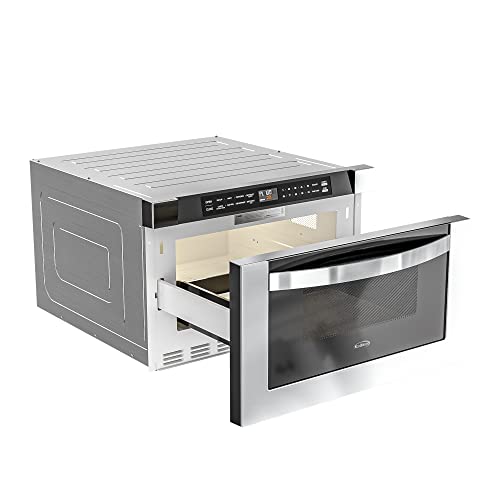


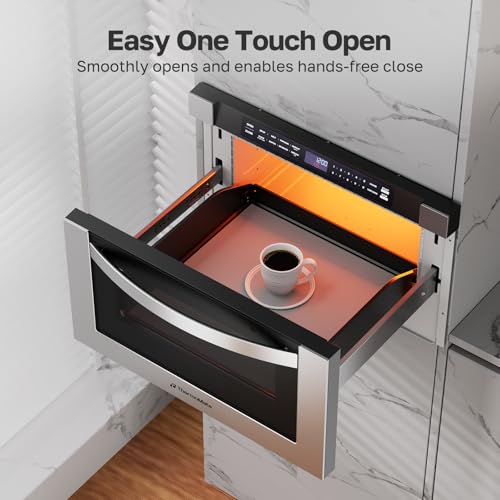


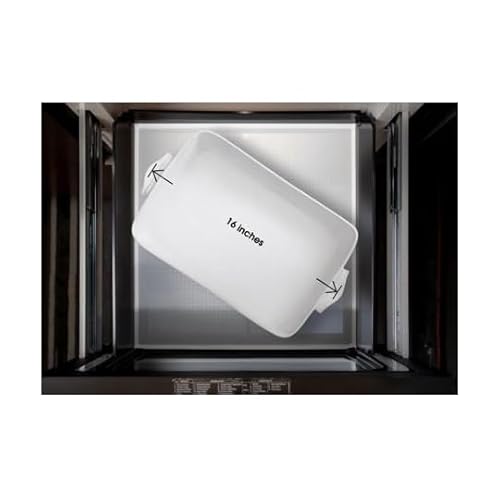
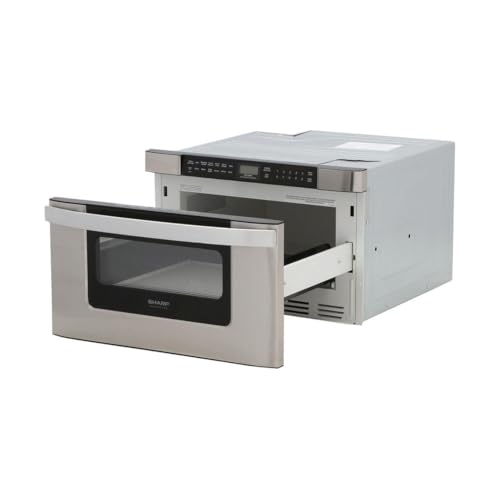


We also considered 10 others:


Our Top Choice
Compare Features


The order above is not editorial opinion, and it is not paid placement. It comes from what shoppers across our network actually do - which microwaves they compare, and which they ultimately buy. We re-rank as new data comes in, so the long-term favorites have to keep earning their spot against new entrants. The full method, including how we make money.
Microwaves Buyer's Guide
Microwave buying is a tradeoff between fast reheating, even cooking, and whether the unit truly fits the space and dishes you use every day. The sharpest concerns are usable interior capacity versus exterior footprint, safe installation clearance or built-in compatibility, and avoiding failure points such as weak door latches, worn interior coating, or drawer-contact arcing.
Quality
You want a microwave that feels solid, runs consistently, and holds up to daily door pulls, spills, heat, and vibration over time. Look for sturdy hinges and latches, well-fitted panels, easy-to-clean interior materials, and controls that don’t feel flimsy; watch out for thin construction, loose doors, peeling interior coatings, or complaints about early failures.
Prioritize cooking consistency and build durability over headline wattage alone: look for even reheating across the plate, a sturdy door or drawer mechanism, an interior coating that resists peeling, and a magnetron or inverter system that can handle repeated daily use without scorching edges and leaving cold centers. For family or heavy-use kitchens, a roomier cavity and solid-feeling chassis matter; for commercial-style use, seek a unit built for frequent cycles rather than a light-duty countertop model. Owner feedback supports this split: shoppers consistently praise dependable everyday microwaves for basic reheating, frozen meals, popcorn, and family use, while the strongest performance praise goes to models that heat evenly and avoid the hot spots common in weaker units.
Usability
You’ll use a microwave in quick, repetitive moments, so controls that are clear, responsive, and logically laid out can matter as much as power. Look for simple setup, readable buttons or displays, useful presets that don’t feel confusing, and a door or drawer action that opens smoothly and feels secure. Watch out for cramped keypads, overly complex menus, or drawer operation that requires awkward reach or extra force.
Choose controls based on who will actually use the microwave: households that mainly reheat leftovers should favor clear time-entry buttons, quick-start keys, an easy-add-30-seconds function, readable labels, and a door that opens smoothly with one hand. If the microwave will sit below counter height or in a drawer, check that controls remain visible and reachable when standing, and that the open/close action is not slow or awkward for daily use. Owner sentiment backs the importance of simplicity: buyers repeatedly like approachable controls, basic timed cooking, smooth opening, quick heating, and layouts that keep the appliance convenient rather than over-programmed.
Size
Size matters because your microwave needs to fit both your space and the dishes you use most. Check the exterior dimensions against your countertop, cabinet, or built-in opening, and make sure there’s enough clearance for ventilation and the door swing. Also compare interior capacity and turntable size, since a compact model may fit the spot but struggle with larger plates, bowls, or casserole dishes.
Measure both the outside and the inside: exterior dimensions must leave the required side, rear, and top ventilation clearance, while the interior must fit your largest dinner plate, casserole dish, baby-bottle sterilizer, or meal-prep container with room to rotate unless it has a flatbed design. Capacity numbers can mislead, so check turntable diameter, usable height, and whether handles or rounded corners steal space; compact models are best for dorms, offices, RVs, and small apartments, while family kitchens usually need enough cavity width for larger dishes. Owners echo this practical sizing concern, praising units that balance a counter-friendly footprint with useful room inside, from compact models that still fit everyday plates to larger interiors suited to family-size meals.
Features
You’ll want a microwave with functions that match how you actually cook, whether that means simple reheating, defrosting, sensor cooking, convection baking, air frying, or multi-stage programs. Look for presets that are genuinely useful and easy to adjust, and watch out for models loaded with modes you won’t use or controls that make basic tasks slower.
Buy only the modes you will use safely and regularly: sensor reheat, defrost by weight, child lock, mute, interior light, and easy-clean surfaces are often more valuable than a long preset list. For convection, air-fry, broil, or grill combinations, confirm that the unit includes the right racks or trays, has adequate ventilation, and clearly separates microwave-safe accessories from metal parts used only in non-microwave modes. Drawer-style and built-in units need extra scrutiny for safety and serviceability because arcing, worn interior finish, or failing contact points can make the appliance unsafe or unusable. Owners like genuinely useful multi-mode cooking and practical locks, but reported sparking or arcing after use is the key warning sign to take seriously.
Value
A microwave’s value for money comes down to whether its everyday performance and useful features justify what you pay. Look for reliable heating, intuitive controls, the right capacity for your kitchen, and features you’ll actually use; watch out for paying extra for flashy presets, oversized designs, or premium finishes that don’t improve how well it cooks.
Judge value by the job the microwave must do, not by the longest feature list: a low-cost compact unit can be a smart buy for reheating mugs, plates, and frozen meals, while a household workhorse should justify its cost with higher usable capacity, better heating consistency, sturdier construction, and easier cleaning. Built-in and drawer designs should be evaluated with installation hardware, cabinet fit, electrical requirements, and potential repair access included in the total cost. Owner sentiment aligns with this: many buyers feel basic compact and countertop units are good deals when they cover everyday reheating reliably, while built-in-style options are valued when they deliver the clean look and convenience of pricier installations.
Design
A microwave often sits in plain sight, so its appearance can affect how finished and cohesive your kitchen feels. Look for a finish, color, handle style, and control-panel layout that match your other appliances and cabinetry, and watch for glossy surfaces or dark finishes that may show fingerprints, smudges, or dust more easily.
Match the design to placement first: countertop models need a door swing and ventilation path that will not collide with cabinets, walls, or coffee makers, while built-in, drawer, and under-counter units must be sized to the cabinet cutout and installed according to the manufacturer’s clearance rules. If the microwave will be highly visible, finishes, handle style, hidden controls, and fingerprint resistance matter, but they should not override access, cooling space, and safe serviceability. Owners often praise attractive retro, stainless, compact, and built-in drawer designs, especially when they free counter or over-stove space and look integrated in remodeled kitchens.
1,000,000+ shoppers use Buyer's Guide every week to find the best products and services online.

Helping millions of users make smarter purchases online.


