















We also considered 10 others:


Our Top Choice
The order above is not editorial opinion, and it is not paid placement. It comes from what shoppers across our network actually do - which mealybug treatments they compare, and which they ultimately buy. We re-rank as new data comes in, so the long-term favorites have to keep earning their spot against new entrants. The full method, including how we make money.
Mealybug Treatments Buyer's Guide
Mealybug treatments have to balance kill power against plant safety: the pests hide in leaf joints, stems, roots, and waxy cotton masses, so a weak or poorly applied product can look like it worked while eggs and protected insects remain. The sharpest buying concerns are whether the treatment can reach the pest through repeat applications, and whether it is safe for the specific plants, indoor space, pets, and edible crops you are treating.
Pest Control
Mealybugs are difficult because visible white patches are only part of the infestation, and protected insects can survive in crevices or soil. The best treatment choice depends on whether you need immediate contact kill, longer residual control, or a rotation strategy for persistent outbreaks.
For mealybugs, look for a treatment explicitly labeled for mealybugs or soft-bodied insects, and assume one pass is rarely enough: contact sprays must wet the insects, leaf axils, stem joints, undersides, and cottony clusters, while soil-applied options need time to move through the plant. Avoid judging too early, because crawlers and eggs can reappear after adults are knocked back; a good plan includes repeat timing and inspection rather than a single rescue spray. Owner reports support this: many treatments knocked back or cleared mealybugs and other pests, sometimes saving badly infested plants, but results were not universal and often required repeated or thorough applications. Feedback was also mixed across related houseplant pests, with strong results for some mites, scale, gnats, and beetle damage, while other infestations persisted or pushed buyers to rotate treatments.
Plant Safety
A treatment that kills insects can still be the wrong pick if it harms the plant you are trying to save. Plant safety depends on the active ingredient, the plant species, leaf age, lighting, temperature, and whether the crop is ornamental or edible.
Match the treatment to the plant and setting before spraying: edible herbs and vegetables, indoor houseplants, tender new growth, succulents, and flowering plants can have different tolerance limits. For sprays, test a small area first, avoid direct sun or strong grow lights until leaves dry, and be cautious with essential oils, soaps, and oils on baby leaves or stressed plants; for systemics, check whether the label allows use on edible plants. Owner sentiment shows why this matters: buyers valued natural, non-toxic, organic-style options for indoor edible gardens, vegetables near harvest, pets, and houseplants, and many said plants stayed healthy or recovered. At the same time, some feedback described leaf stress, damage to sensitive new growth, or burn risk when products were applied under strong light or sun.
Coverage Ease
Mealybug treatment is a coverage problem as much as a chemistry problem. If the product cannot be applied evenly to hidden pest sites, even an otherwise effective formula may leave survivors behind.
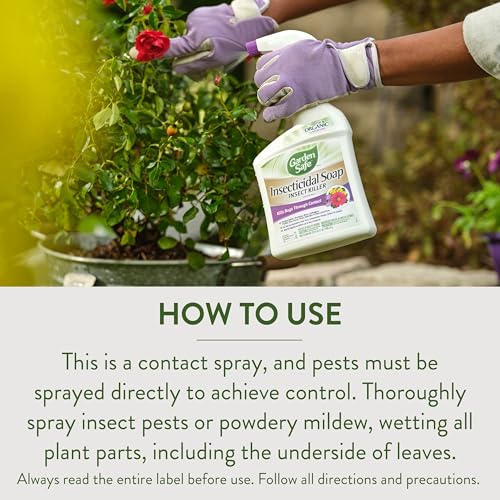
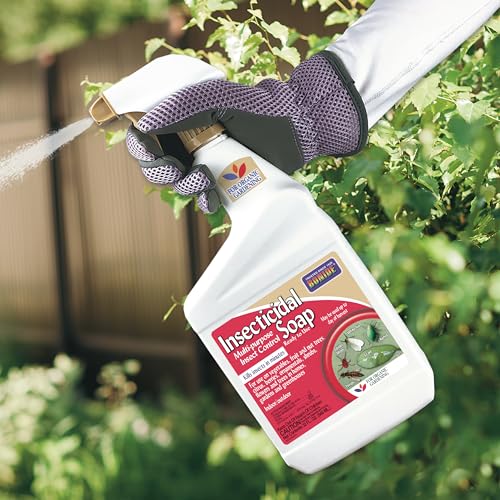
Choose the format that helps you actually reach the infestation: ready-to-use sprays are convenient for leaves and stems, concentrates can be economical but require careful mixing, and granules are useful only when soil uptake is appropriate for the pest and plant. For mealybugs, sprayer quality matters more than it seems—a fine, even mist helps coat undersides, nodes, and tight growth without dripping into messy puddles or leaving dry gaps. Owner feedback strongly favors simple formats, including soil granules that can be sprinkled and watered in and sprays that are easy to use on houseplants or garden plants. The main warning is applicator performance: some buyers praised easy fine misting and full coverage, while others had weak sprayers, uneven droplets, dripping, or transferred liquid to a different bottle to get usable coverage.
Indoor Odor
Odor affects whether a treatment is realistic to use on houseplants, edible indoor gardens, and plants kept near people or pets. A formula that smells tolerable during a quick outdoor application may be unpleasant when sprayed across many indoor leaves.
For indoor mealybug work, especially on large plant collections, prioritize low-odor formulas or plan to treat outdoors, ventilate, wear gloves, and let foliage dry before bringing plants back into living spaces. Essential-oil and mint/clove-style scents can be more pleasant than harsh chemical smells, but they are still noticeable and may linger on hands, leaves, or rooms. Owner feedback repeatedly shows odor shaping satisfaction: some granules had little to no noticeable indoor smell, several sprays were liked for fresh minty, clove-like, or non-harsh scent, and ready-to-use sprays with no strong odor felt easier to use around indoor or outdoor plants. The caution is that other users found chemical smells noticeable and lingering unless plants were handled carefully or treated outside.
Treatment Value
The cheapest-looking option can become expensive if it cannot cover the whole plant thoroughly or if the infestation needs several rounds. Good value in this category comes from enough usable volume, reliable application, and breadth of use across likely plant pests.
Estimate value by treated plant count, repeat schedule, and coverage area—not just bottle size. Mealybug control often requires follow-up applications, so a small ready-to-use bottle may disappear quickly on bushy plants, hanging baskets, or a multi-plant outbreak; concentrates or larger formats may make more sense if you need repeated whole-plant coverage. Owner feedback backs up this tradeoff: buyers often felt products were worth it when they worked, especially when one treatment handled multiple pest problems, but value became a concern when bottle amount, quantity, dilution rate, or repeat-treatment needs made supply run out fast. Versatility across mealybugs, gnats, whiteflies, aphids, beetles, ants, spider mites, and even some fungus issues also made some treatments feel more worthwhile.
1,000,000+ shoppers use Buyer's Guide every week to find the best products and services online.

Helping millions of users make smarter purchases online.


