





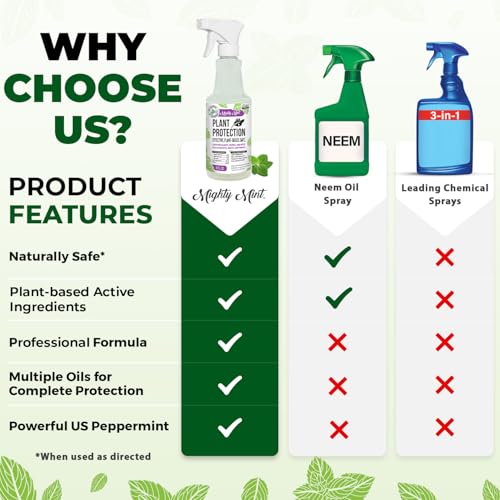

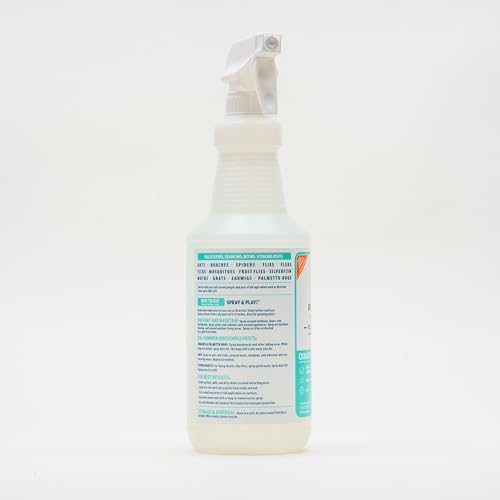


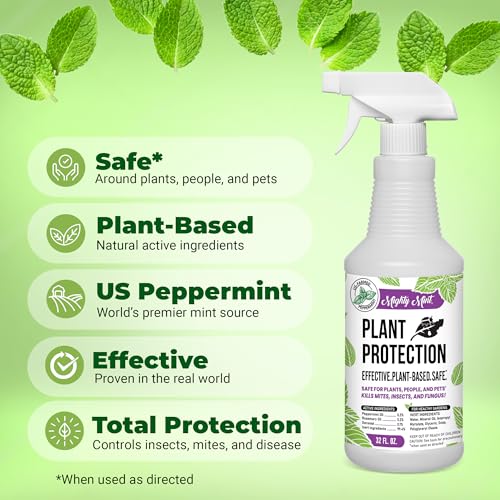


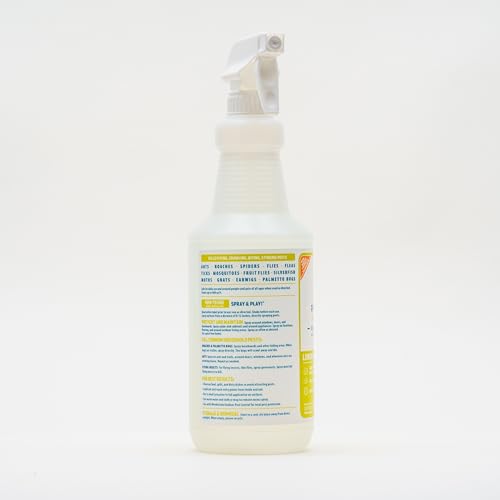








We also considered 10 others:


Our Top Choice
The order above is not editorial opinion, and it is not paid placement. It comes from what shoppers across our network actually do - which houseplant bug sprays they compare, and which they ultimately buy. We re-rank as new data comes in, so the long-term favorites have to keep earning their spot against new entrants. The full method, including how we make money.
Houseplant Bug Sprays Buyer's Guide
Houseplant bug sprays sit between two competing needs: they have to be tough enough to interrupt an active infestation, but gentle enough for leaves, stems, soil surfaces, and indoor air. The sharpest buying questions are whether the formula matches the pest you actually have and whether it can be used repeatedly without stressing the plant or making the room unpleasant.
Pest Match
Different houseplant pests fail for different reasons: some are exposed on leaves, while others hide in soil, crevices, cottony masses, or hard shells. A spray that works well on one pest can disappoint on another if it depends on direct contact or does not address repeat hatch cycles.
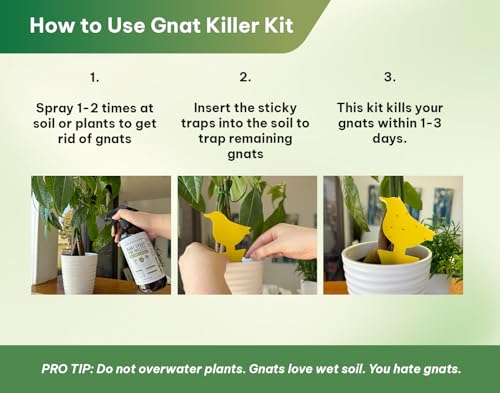
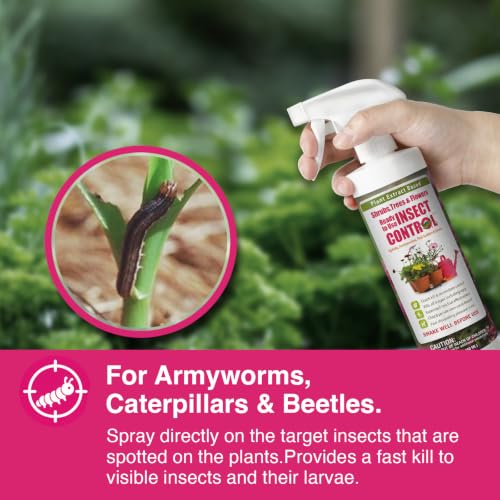
Start by matching the spray to the pest, not just the word “insect.” For aphids, spider mites, and fungus gnats, look for labels that explicitly mention those pests and explain where to spray, such as leaf undersides for mites or soil-surface treatment for gnats; for mealybugs and scale, expect harder work because waxy coatings and armored bodies often require direct contact, repeat applications, or a different treatment type. Avoid buying a broad houseplant spray as a one-step fix if the infestation includes hidden eggs, protected scale, or pests tucked into leaf joints. Owner feedback supports this split: effectiveness is the biggest divider, with some sprays knocking down aphids, fungus gnats, and rust quickly, while mealybugs and scale are reported by some buyers to shrug off treatment. Shoppers also strongly liked an all-in-one indoor plant treatment when it covered insect control, mite control, fungus protection, and healthier-looking leaves.
Plant Safety
Houseplant sprays are applied directly to living tissue, so the safest choice is one that fits the plant, location, and application frequency. A good treatment should solve the pest problem without creating a new plant-health problem through burn, stress, or unsuitable residue.
Choose a formula that is clearly labeled for houseplants and check whether it is appropriate for the specific plant types you own, especially tender new growth, variegated leaves, ferns, orchids, succulents, and fuzzy-leaf plants. Look for directions that recommend spot testing, avoiding direct sun after application, and using the spray only at the listed frequency; these details matter because leaf burn, spotting, wilting, or residue sensitivity can show up after treatment. If you grow herbs or edible plants indoors, only use sprays whose label explicitly allows that use. Owner sentiment is mostly encouraging on plant response, with reports of plants thriving after treatment, and organic options are strongly liked for fitting regular indoor and outdoor plant care without feeling harsh. Still, feedback is not uniformly reassuring, so plant safety should be treated as a buying requirement rather than an assumed benefit.
Easy Coverage
Houseplant pests often live on undersides, stems, soil surfaces, and tight growth points rather than in the most visible spots. A spray that is simple to aim, repeat, and use across multiple pots is more likely to be applied well enough to work.
Prioritize a spray format that lets you coat the problem areas evenly: a fine, controllable mist for leaf undersides, stems, and tight nodes is usually more useful than a heavy stream that drips off leaves. For larger plant collections, ready-to-use bottles are convenient, but check whether the trigger is comfortable, the bottle can spray at angles, and the directions make repeat-treatment timing clear. Poor coverage is a common failure mode because contact sprays only work where they actually touch the pest. Buyers describe application as straightforward, including across larger indoor plant collections, which makes ease of use a real separator in this category. That matters because even an effective formula can underperform if it is tedious to apply thoroughly or consistently.
Indoor Livability
A houseplant spray is often used inside living spaces, not just in a garage or garden bed. Smell, drift, residue, and drying behavior affect whether you can realistically complete repeat treatments without disrupting the room.
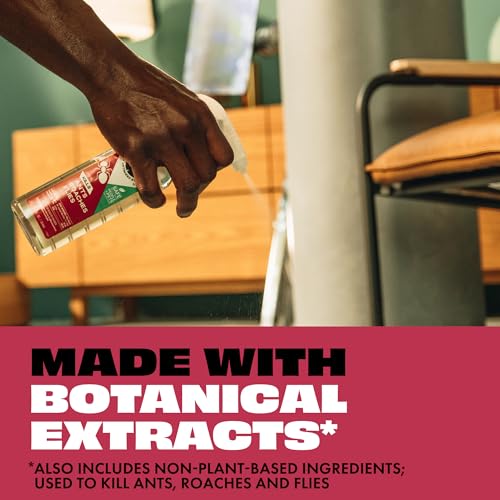
For indoor use, check odor expectations, ventilation instructions, drying time, and whether the spray leaves noticeable residue on shelves, floors, or nearby furniture. Low-scent formulas are easier to use in apartments, offices, bedrooms, and winter months when windows stay closed, but any spray should still be applied with airflow and kept away from surfaces that could be stained or made slippery. Avoid strong-smelling or oily-feeling options if you need to treat many plants at once in a small room. Owner feedback on odor is mixed, though many happy buyers describe sprays as low-scent or not strongly smelling. That makes livability worth checking rather than assuming, especially when the spray will be used repeatedly indoors.
Leaf Finish
Leaf appearance matters because it affects both the look of the plant and your ability to monitor the infestation after treatment. Shine claims can be inconsistent, and some leaves are more sensitive to coatings or repeated wetting than others.
Treat leaf shine as a secondary benefit, not the main reason to buy a bug spray. If clean, glossy foliage matters, look for wording that distinguishes pest treatment from leaf-polish claims, and be cautious with matte, hairy, delicate, or moisture-sensitive leaves that may not tolerate shine-enhancing residues well. A good houseplant pest spray should leave foliage clean enough to inspect again, because lingering film can make it harder to see new pests, eggs, or plant stress. Owner reports suggest many plants end up clean and naturally glossy, but leaf shine is more variable than other benefits, with some buyers finding the shine weaker than expected or missing. Plant-health feedback is also not uniformly reassuring, so finish and residue should be judged through a spot test rather than expectations from the label alone.
Treatment Value
Houseplant pest control is rarely just a single spray-and-done purchase. The best value comes from a treatment that fits the infestation, covers the number of plants you own, and can be repeated as directed until the pest cycle is controlled.
Judge value by the full treatment plan: how many plants you can cover, how often the label says to repeat, whether the pest requires multiple life-cycle treatments, and whether the bottle size or concentrate format matches your collection. For a single small outbreak, convenience may matter most; for many plants or recurring fungus gnats, aphids, or mites, the ability to stretch the product across repeat applications becomes more important. Avoid assuming one spray session will justify the purchase if the pest is known to rebound from eggs, soil larvae, or hidden colonies. Owner sentiment shows value depends heavily on results: satisfied buyers stretch small amounts into repeat treatments, while disappointed buyers find the purchase harder to justify when pests persist. Because effectiveness varies by pest, value is tied directly to correct pest matching and consistent application.
1,000,000+ shoppers use Buyer's Guide every week to find the best products and services online.

Helping millions of users make smarter purchases online.


