








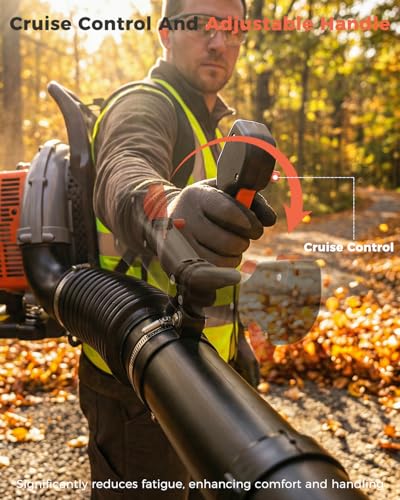


We also considered 10 others:


Our Top Choice
Compare Features


The order above is not editorial opinion, and it is not paid placement. It comes from what shoppers across our network actually do - which lightest backpack blowers they compare, and which they ultimately buy. We re-rank as new data comes in, so the long-term favorites have to keep earning their spot against new entrants. The full method, including how we make money.
Lightest Backpack Blowers Buyer's Guide
The key tradeoff with the lightest backpack blowers is getting enough real blowing force without carrying a machine that defeats the purpose of going lightweight. Shoppers should focus on operating weight, harness fit, and sustained power, because weak straps, short cordless runtime, or underpowered airflow can matter more here than generic spec-sheet claims.
Power
Power determines how quickly and effectively you can move leaves, grass clippings, and heavier debris, especially across large yards, wet piles, or uneven surfaces. Look for a balance of air speed and airflow rather than focusing on one number alone, since high speed helps loosen debris while strong volume helps push it farther. Watch out for blowers that feel powerful on paper but lack usable control, because too much force without variable settings can scatter debris instead of clearing it efficiently.
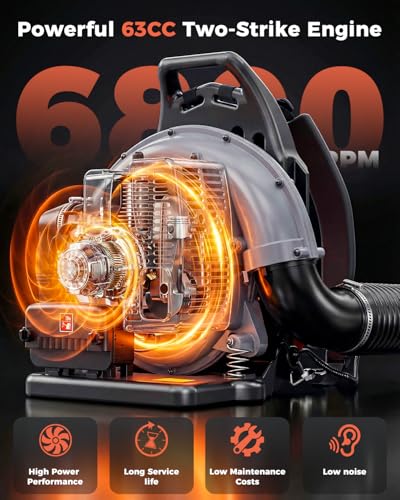
For the lightest backpack blowers, do not judge power by weight alone: look for a balanced airflow spec with real CFM plus air speed, and avoid models that advertise only peak MPH while hiding volume. If you need to move wet leaves, pine needles, cones, sticks, matted grass, or neglected seasonal buildup, prioritize sustained blowing force at normal throttle—not just a brief turbo or wide-open peak—because lightweight units can feel strong on dry clippings but stall on dense debris. Owner feedback supports this: the best-liked models are repeatedly praised for forceful airflow, fast large-area cleanup, and handling wet debris, pine needles, cones, sticks, and heavy leaf buildup without needing constant full throttle.
Value
A leaf blower that looks affordable upfront isn’t always the best value if it lacks the power, runtime, durability, or included accessories you need. Look for a model that matches your yard size and cleanup frequency without forcing you to buy extras or upgrade sooner than expected. Owner feedback on “value for money” can help you spot whether a blower feels fairly priced for its performance and long-term reliability.
In this niche, value is best measured as usable power and comfort per pound, not simply the lowest cost or lightest shell. Check what is included—battery and charger for cordless models, tubes/nozzles, harness quality, assembly hardware, warranty coverage, and availability of wear parts—because a cheap lightweight blower can lose its advantage if straps, controls, or small parts fail early. Owner sentiment backs the upside and the risk: many buyers feel lightweight backpack blowers deliver strong performance for the money and compare favorably with costlier gas options, but value becomes more uneven when assembly, manuals, hardware, or quality control disappoint.
Build
Build quality matters because a leaf blower is often used in dusty, dirty, and vibration-heavy conditions, so weak plastics, loose seams, or flimsy controls can turn into cracks, rattles, or early failures. Look for a blower that feels solid in the housing, handle, tube connections, trigger, and battery or cord interface, with parts that lock together securely and don’t flex excessively. If it feels creaky, poorly balanced, or cheaply assembled in your hands, it may be less pleasant to use and less likely to hold up over repeated yard work.
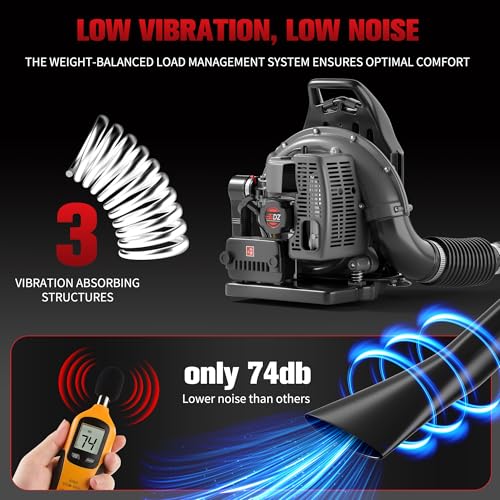
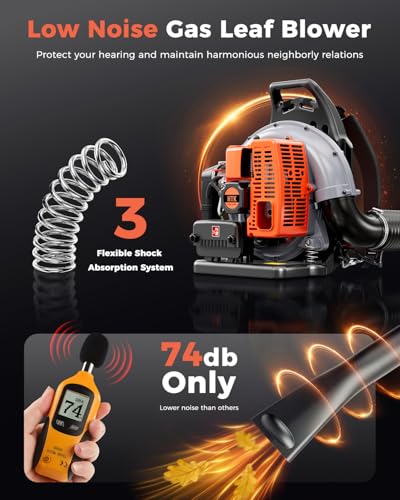
Because light weight is often achieved with more plastic, thinner padding, and simpler frames, inspect the load-bearing parts before buying: shoulder straps, frame mounts, tube clamps, throttle trigger, cable routing, fuel-cap/battery-latch fit, and vibration isolation. Avoid units where the harness looks like an afterthought, because a weak strap or loose tube connection matters more on a backpack blower that will be worn while vibrating for long sessions. Owners’ experiences match this concern: some find the build acceptable for the money, but recurring complaints include plastic-heavy construction, basic instructions, small hardware issues, weak straps, and doubts about padding, controls, and long-term durability under harder use.
Ease
A leaf blower that’s easy to use saves you time and frustration, especially if you’ll be starting it often, carrying it around the yard, or switching between surfaces. Look for simple controls, reliable starting, comfortable balance, manageable weight, and intuitive speed adjustment; watch out for awkward grips, confusing settings, or designs that feel tiring during longer cleanup sessions.
For a lightweight backpack blower, ease of use depends heavily on fit: make sure the shoulder straps tighten enough for your torso, the back pad sits stable, the tube angle is natural, and the throttle can be held without wrist strain. Smaller or medium-sized users should be especially cautious of oversized harnesses, while gas buyers should also check primer/choke access and whether starting is consistently easy rather than requiring repeated pulls. Owner feedback is mostly encouraging—many say setup is straightforward, first-time use is manageable, and starting often takes only a few pulls after priming—but some report frustration with fit, shoulder straps, perceived heaviness, or harder starting.
Weight
Weight affects how long you can use a leaf blower comfortably, especially if you’re clearing a large yard, working overhead, or carrying it for extended periods. Look for a blower that feels balanced in your hand or on your back, not just light on paper, and watch for designs that shift strain to your wrist, shoulder, or lower back during use.
Compare operating weight, not just listed dry weight: gas models gain weight with fuel, while cordless models can feel much heavier once battery packs are installed. Also check balance and harness design, because a slightly heavier blower with a better frame, padded straps, and stable center of gravity can feel easier than an ultralight model that pulls on the shoulders or bounces while walking. Owners often say backpack designs are manageable for longer jobs and easier than holding a handheld blower, including for older users seeking power without excessive weight, but feedback is split enough that some still find certain units heavy in practice.
Battery
Battery life determines how much cleanup you can finish before stopping to recharge, especially if you have a large yard, heavy leaf cover, or need to use higher power settings. Look for a cordless leaf blower with enough runtime for your typical jobs, and remember that turbo modes, wet leaves, and higher airspeed settings can drain the battery much faster than light-duty blowing.
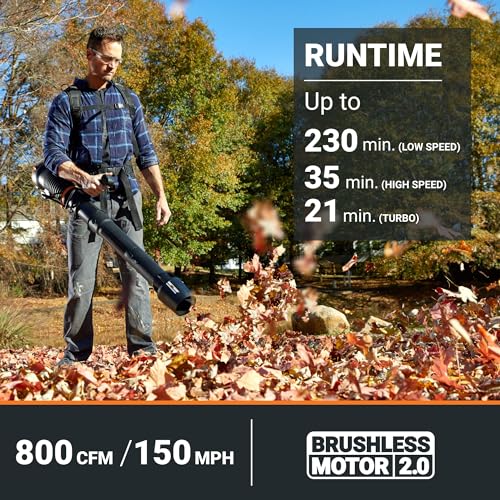
For battery-powered lightweight backpack blowers, verify runtime at the power level you will actually use, not the lowest-speed marketing estimate. Turbo or full-throttle clearing of wet leaves can drain packs quickly, so check watt-hours, included battery count, charge time, spare-battery compatibility, and whether the battery placement adds awkward weight to the back. Owner sentiment makes this the clearest cordless tradeoff: some users finish normal yard work when throttling down, but many report much shorter sessions on turbo or full power, with included packs sometimes draining in well under half an hour.
1,000,000+ shoppers use Buyer's Guide every week to find the best products and services online.

Helping millions of users make smarter purchases online.


