

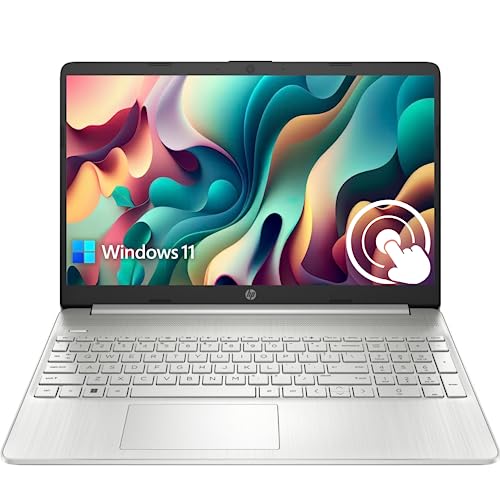


- Display Size: 15.6"
- Resolution: 1366 x 768
- Memory: 16GB RAM
- Storage: 1TB SSD
- Processor: Intel Core i3-1115G4 2-core
- Graphics Processor: Intel UHD Graphics
- Touchscreen: Yes
- Battery Life: Up to 11 hours
- Operating System: Windows 11 Home
- Weight: 3.75 lbs




HP Pavilion 15" Laptop Review
Overview and Real-World Experience

The HP Pavilion 15" Laptop sits in a familiar sweet spot: a mainstream, do-it-mostly-everywhere notebook aimed at students, home users, and office productivity. In day-to-day use, the Pavilion line tends to focus on delivering a comfortable screen size, a practical keyboard, and enough performance to keep common workloads smooth without pushing into premium pricing. For writing, web browsing with many tabs, video calls, streaming, and standard business tasks, a well-chosen Pavilion 15 configuration can feel responsive and easy to live with.
What makes the Pavilion 15" especially appealing is how many configurations exist. Depending on the exact model, you might see Intel Core i5 or i7 chips, or AMD Ryzen 5 or Ryzen 7 options, paired with integrated graphics. That flexibility is both a strength and a potential pitfall, because two Pavilion 15 laptops can share a name while feeling very different in performance, display quality, and battery life. If you match the specs to your routine, the experience is typically pleasant: quick wake-from-sleep, fast app launches with an SSD, and enough screen space to work comfortably without squinting.
Build quality is usually solid for the class, often featuring a clean, understated design that looks appropriate in a classroom or office. The chassis generally prioritizes portability over ruggedness, so it’s best treated as a daily carry rather than a device you’d want to toss around unprotected. The 15-inch form factor is a practical compromise: large enough for spreadsheets and multitasking, but still manageable in a backpack. Most people will find the keyboard comfortable for long typing sessions, though key feel and backlighting can vary by configuration. The trackpad experience is commonly good, with reliable palm rejection and smooth scrolling, but it won’t necessarily rival top-tier premium ultrabooks.
Thermals and fan noise depend heavily on the CPU class and cooling design. For typical office work, the Pavilion 15 tends to stay quiet, with fans spinning up more noticeably during heavy browser sessions, video editing, or sustained compiling. If you plan to do extended performance-heavy work, it’s worth reading reviews of the specific SKU you’re considering, because cooling systems and power limits can differ between revisions.
Performance, Display, Battery, and Everyday Features
Performance is the Pavilion 15" story in one sentence: it’s plenty for productivity and schoolwork when configured with a modern midrange processor and adequate memory. If you choose 16 GB of RAM and an SSD, the laptop should feel snappy for multitasking, light creative tasks, and everyday computing. With 8 GB of RAM, it can still be fine for basics, but you’ll notice limits sooner if you keep many browser tabs open, work in large spreadsheets, or use memory-hungry apps. Storage matters too. An SSD is non-negotiable for a modern laptop experience, and a 512 GB drive is often the practical minimum for people who install several applications and keep local files. If you work primarily in the cloud, 256 GB can work, but it may feel tight over time.
Graphics are typically integrated, which is ideal for battery life and general use but not designed for heavy gaming or GPU-accelerated professional workloads. Casual or older games, esports titles at modest settings, and light photo editing are often fine. If your goal is modern AAA gaming or serious 3D work, a Pavilion 15 configuration without a discrete GPU will likely disappoint, and you may be better served by a dedicated gaming or creator laptop line.
The display is one of the most important variables across Pavilion 15 models. Some configurations include a basic 1080p panel that is perfectly serviceable for documents and streaming but may have average brightness and color coverage. Others may offer brighter or better-quality panels. If you work near windows, travel often, or do any color-sensitive work, brightness and color gamut become more important than many shoppers expect. A dim panel can make a laptop feel outdated even when performance is solid. Resolution is usually Full HD, which is a good match for 15 inches, keeping text sharp without forcing the system to scale aggressively.
Battery life varies significantly based on processor choice, display brightness, battery size, and your usage pattern. For typical mixed use like browsing, docs, and video calls, many Pavilion 15 configurations can get through a meaningful portion of the day, but it may not be an all-day unplugged machine in the way that some premium ultrabooks are. If battery longevity is crucial, pay attention to the specific battery capacity and look for reviews that measure real-world endurance rather than relying on manufacturer estimates. Fast charging support, when available, can partially offset shorter battery life by making quick top-ups more practical between classes or meetings.
Ports and connectivity are usually strong points. Many Pavilion 15 units include a useful mix for peripherals and external displays, often including USB-A for older accessories and USB-C for modern devices. HDMI is commonly present, which is convenient for presentations and monitors without adapters. Wi-Fi performance is generally good, but again, the specific wireless card can vary. For video calls, webcam quality is typically adequate, though not always standout, so if you take frequent meetings, it’s worth checking whether your configuration includes any enhanced camera features or noise reduction. Speaker quality tends to be fine for casual listening, but for rich audio or professional calls, headphones still make a noticeable difference.
What to Consider Before Buying, and What Matters Most
Before purchasing an HP Pavilion 15" Laptop, the first factor to consider is the exact configuration, because the name alone doesn’t guarantee the experience you want. The most important purchase decision for most people is the balance of CPU, RAM, and storage. A modern Core i5 or Ryzen 5 class processor is often the best value for school and office work, and stepping up to 16 GB of RAM is usually the single most effective way to keep the system feeling smooth over several years. Storage is the next priority: choose an SSD, and aim for 512 GB if you can, especially if you store photos, videos, or large project files locally.
The next most important factor is the display, because it affects comfort every minute you use the laptop. Even if you don’t do creative work, a brighter screen can reduce eye strain and make the computer more pleasant in varied lighting. If you do any photo or design work, look for better color coverage, and consider checking whether the panel is IPS-level quality rather than a lower-end alternative. If you’re sensitive to screen quality, it’s worth prioritizing this over small CPU upgrades that you may not feel in everyday tasks.
After performance and display, consider portability and durability. A 15-inch laptop is inherently more of a carry-friendly workstation than a tiny travel machine, so think about where you’ll use it most. If you commute daily and work in tight spaces, the size and weight matter. If it mainly lives on a desk, a slightly heavier build can be a non-issue, and you might care more about thermals and a comfortable keyboard. Battery life should be weighed against your schedule. If outlets are always nearby, you can prioritize other features. If you spend long days away from a plug, battery life should move higher on your list.
Finally, consider upgradability and longevity. Some Pavilion 15 models allow relatively easy RAM or SSD upgrades, while others are more limited. If you like the idea of upgrading later, confirm whether memory is soldered, whether there is an extra SSD slot, and how serviceable the chassis is. Warranty options, return policies, and support can matter as much as specs for peace of mind. A laptop is a daily tool, and small differences in service experience can become important if you ever need repairs.
Common Questions
Is the HP Pavilion 15" Laptop good for students? Yes, in most configurations it’s a strong student laptop because it handles writing, research, presentations, and video calls well. The best student-oriented setup is typically a midrange CPU with 16 GB of RAM and an SSD, plus a display bright enough for campus lighting.
Can it handle gaming? It can handle light gaming, especially esports titles or older games, but most Pavilion 15 models rely on integrated graphics. If you want modern demanding games at high settings, you should consider a laptop with a dedicated GPU instead.
Should I choose 8 GB or 16 GB of RAM? If you can afford it, 16 GB is the better choice for longevity and smoother multitasking. 8 GB can work for basic use, but it is easier to outgrow, especially with heavy browser use and modern apps.
Is the screen good enough for creative work? It depends on the specific panel. Some configurations are fine for casual editing, but color-critical work benefits from higher brightness and better color coverage. If creative work is important, confirm the panel specs and seek reviews of the exact model number.
Conclusion
The HP Pavilion 15" Laptop is a versatile, generally well-rounded choice for mainstream users who want a comfortable screen size and dependable performance for everyday tasks. The key to being happy with it is choosing the right configuration: prioritize 16 GB of RAM, an SSD with enough space, and the best display you can within budget. Do that, and the Pavilion 15 can be a practical, satisfying laptop that stays capable for years of school, work, and home use.