












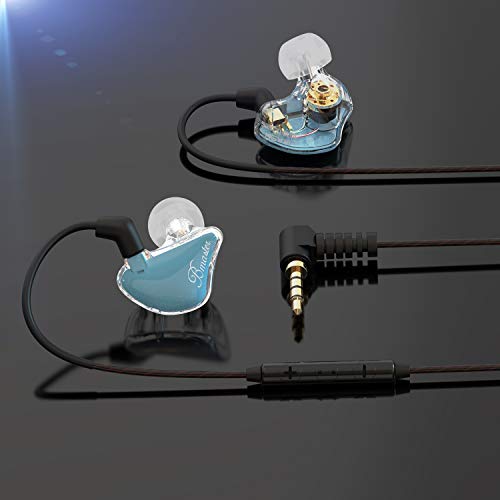


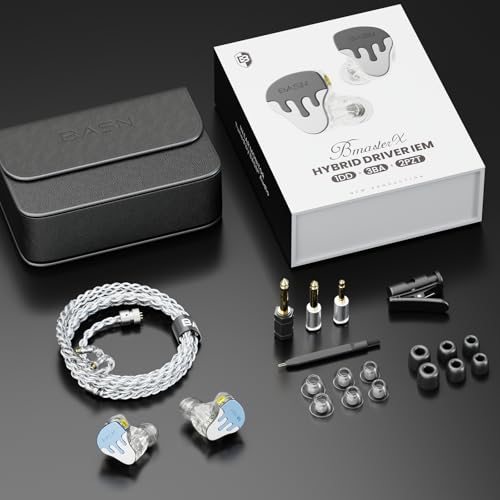


We also considered 10 others:


Our Top Choice
The order above is not editorial opinion, and it is not paid placement. It comes from what shoppers across our network actually do - which in-ear monitors for musicians they compare, and which they ultimately buy. We re-rank as new data comes in, so the long-term favorites have to keep earning their spot against new entrants. The full method, including how we make money.
In-Ear Monitors for Musicians Buyer's Guide
Musician-focused in-ear monitors have to balance two jobs that often fight each other: giving a clear, mix-ready reference while sealing well enough to protect hearing on loud stages. The sharpest buying risks are not just “does it sound good,” but whether the fit stays sealed while moving, the cable survives repeated gigs, and the monitor works cleanly with your wireless pack, mixer, or headphone amp.
Mix Clarity
In-ear monitors for musicians are tools, not just earbuds, so their tuning affects how accurately you perform. A good monitor should make the important parts of the mix easy to locate without forcing you to turn up dangerously loud or compensate for missing frequencies.
Prioritize a balanced, relatively neutral tuning with clear mids, controlled bass, and enough treble detail to separate vocals, guitars, keys, click tracks, and backing tracks without becoming harsh. For stage use, avoid IEMs with exaggerated bass or scooped mids if you need pitch, timing, and vocal intelligibility; a fun listening curve can hide the exact cues musicians rely on. Owner reports in this category strongly support sound as the main reason to buy: listeners repeatedly praise clear, crisp, detailed sound, balanced response, strong instrument separation, and mixes that are easy for singers and musicians to hear.
Seal & Isolation
For musicians, isolation is both a sound-quality feature and a hearing-safety feature. If the monitor does not seal consistently, the mix changes every time you move, and loud ambient sound can overpower the feed you are trying to hear.
Look for multiple tip sizes and materials, especially foam and silicone options, because isolation depends more on seal than on the earphone shell alone. A proper seal improves bass accuracy, blocks drums and stage wash, and lets you monitor at a lower volume; a poor seal causes thin sound, mix bleed, and the temptation to turn everything up. Owner feedback backs this up: passive isolation is praised when the right tips are used, and everyday or stage performance improves after choosing tips that create a reliable seal.
Stage Fit
A monitor that sounds excellent while seated can fail on stage if it shifts every time you move. Comfort also affects performance because pressure, fatigue, or constant readjustment distracts from timing and pitch.
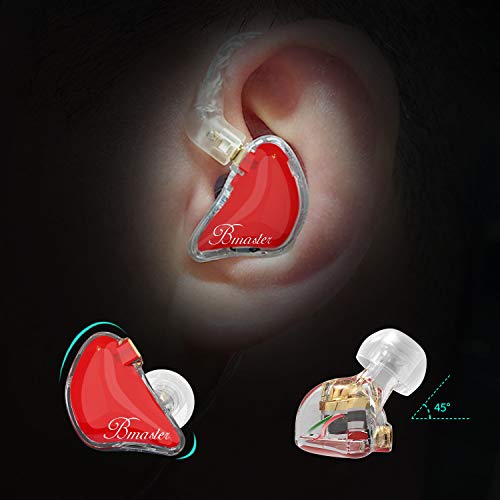
Choose an ergonomic over-ear shape that locks into the outer ear, routes the cable upward, and stays put during singing, drumming, guitar playing, or head movement. For long rehearsals and sets, the shell should not create pressure hotspots, and the nozzle angle should allow a deep enough seal without feeling forced. Owners consistently call secure fit and comfort a strength when the design suits their ears, with reports of monitors staying in place during active playing and being comfortable enough to forget during listening or performance; the caution is that some users still experience slipping, so fit variability matters.
Cable Durability
Musicians put more mechanical stress on IEMs than casual listeners because cables are routed under clothing, connected to packs, packed after shows, and tugged during movement. A replaceable cable can turn a likely failure into a quick fix, but only if the connector is secure and durable.
Treat the cable system as a core buying criterion: look for detachable, replaceable cables, firm connectors, reinforced strain relief, and over-ear memory wire or molded ear hooks that do not fight your wearing style. For gigging, weak connectors and intermittent channels are major failure modes, so check whether replacement cables are easy to source and whether the connector type is known for staying snug under movement. Owner sentiment flags this as the biggest watch-out: while many are satisfied, complaints cluster around loosening or breaking connectors, awkward cable routing behind the head, one side cutting out, and reliability varying more than sound or comfort.
Gear Match
IEMs do not operate in isolation; the monitor feed, amplifier, cable, and connector all affect usable volume and noise. Careful source matching helps preserve clarity without hiss, distortion, or latency that can throw off timing.
Match the IEM to the gear you will actually use: wireless bodypacks, personal mixers, audio interfaces, phone dongles, or headphone amps can expose hiss, low output, or volume imbalance if sensitivity and impedance are poorly matched. For live monitoring, favor wired low-latency connections over wireless consumer earbuds, and check plug size, adapter needs, channel orientation, and whether the cable length works with a belt pack or seated rig. Owner praise for clear stage mixes supports the importance of a monitor that works well in real performance chains, but this is the dimension to verify before buying because great drivers can still disappoint if the source pairing is wrong.
Real Value
In this category, value means reliable monitoring per rehearsal and performance, not simply the lowest purchase cost. The best buys deliver usable sound, a secure fit, and enough accessories to adapt to different ears and stage situations.
Judge value by the complete stage-ready package, not just the earphones: included tip variety, a protective case, cleaning tool, cable replaceability, and dependable build all matter for working musicians. A cheaper set that needs immediate cable, tip, or case upgrades may be less useful than one that arrives ready for rehearsals and backup duty. Owner feedback repeatedly describes strong value when sound clarity, build experience, and overall quality feel better than expected, especially among musicians comparing IEMs with more expensive options.
1,000,000+ shoppers use Buyer's Guide every week to find the best products and services online.

Helping millions of users make smarter purchases online.


