

















We also considered 10 others:


Our Top Choice
Compare Features


The order above is not editorial opinion, and it is not paid placement. It comes from what shoppers across our network actually do - which ice makers they compare, and which they ultimately buy. We re-rank as new data comes in, so the long-term favorites have to keep earning their spot against new entrants. The full method, including how we make money.
Ice Makers Buyer's Guide
Countertop and portable ice makers trade freezer-like storage for rapid cycling: they make ice quickly, but most do not keep it frozen, so meltwater recirculates unless you move ice to a freezer. The sharpest checks are whether the machine’s real output matches your peak-use window, whether it makes the exact ice texture you want, and whether you can keep up with cleaning, draining, noise, and water refills.
Output
Output matters because it determines whether your ice maker can keep up with your daily drinks, entertaining, or cooler-filling needs without long waits or frequent empty cycles. Look for a unit with a production rate and storage capacity that match how you’ll use it, and pay attention to whether it makes ice consistently in real conditions rather than only under ideal settings. Also consider the type and size of ice it produces, since smaller or softer cubes may be made faster but can melt more quickly.
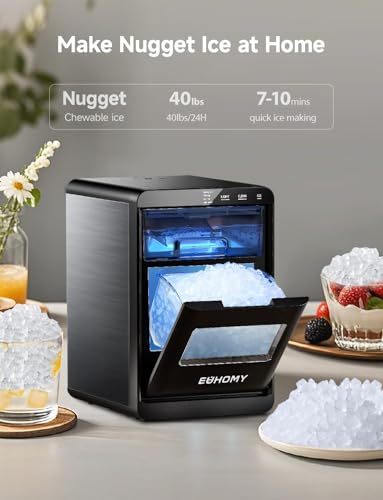
For output, do not shop only by the advertised pounds-per-day number; check basket capacity, reservoir size, whether the unit can run continuously without constant refilling, and whether production drops in a hot kitchen, garage, patio, or small-business counter. If you need ice for parties, drink service, coolers, or all-day chewing, choose a machine with enough hourly output and a basket you can empty into a freezer, because the bin usually is not a freezer. Owner feedback supports prioritizing output: buyers often praise machines that start producing within minutes, keep a steady supply going when the reservoir is kept full, and produce enough for daily household use, guests, small-business settings, or nugget-ice demand.
Reliability
You want an ice maker that can handle frequent freezing cycles, water exposure, and regular cleaning without leaks, jams, or early part failures. Look for sturdy construction, well-sealed components, easy access for maintenance, and owner feedback that points to consistent performance over time. Be cautious of flimsy housings, vague warranty support, or recurring complaints about pumps, sensors, or ice production stopping unexpectedly.
For reliability, favor simple, serviceable designs with clear water-path access, a removable basket, self-clean/descale cycle, overheat protection, and available guidance for clogs, sensors, pumps, and compressors. Be cautious if reviews mention early total failure, grinding noises, repeated resets, or units that stop harvesting ice, because ice makers combine refrigeration, water pumps, fans, augers, and sensors in a wet mineral-heavy environment. Owner sentiment is mostly positive for dependable everyday operation and simple add-water-and-start use, but there are also meaningful warnings about some units stopping completely after very little use, so early-failure patterns matter.
Speed
Ice production speed matters because it determines whether you’ll have enough ice ready when you need it, from daily drinks to entertaining guests. Look for how quickly the machine produces its first batch and how much ice it can make over time, but watch out for small storage bins or slow recovery after emptying, which can make a fast-rated unit feel less capable in real use.
For speed, separate first-batch time from usable volume: many machines can form the first small batch in minutes, but filling a cooler or serving a party requires sustained batch cycles and enough water capacity. Check whether the stated 6-to-8-minute cycle assumes small cubes, cool room temperature, and chilled water; larger cubes, nugget ice, warm tap water, and hot rooms can slow production. Owners commonly like machines that produce usable ice quickly for daily drinks, guests, cookouts, beverage sales, and extra summer supply, with several reporting first ice around the advertised early-cycle window.
Ice
The ice a machine produces affects everything from how fast drinks chill to how easy the unit is to use day to day. Look for ice that matches your needs in size and shape, releases cleanly from the basket or bin, and stays consistent without clumping, melting too quickly, or coming out wet and fragile.
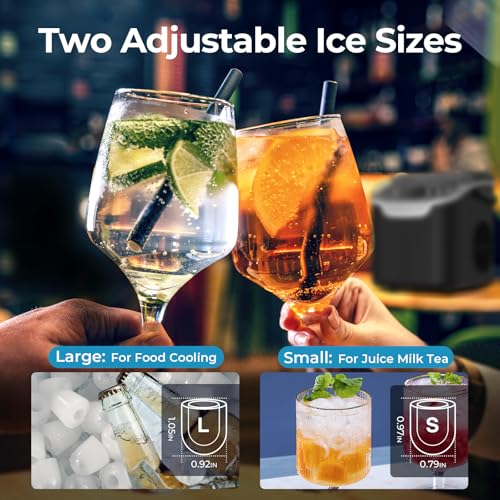
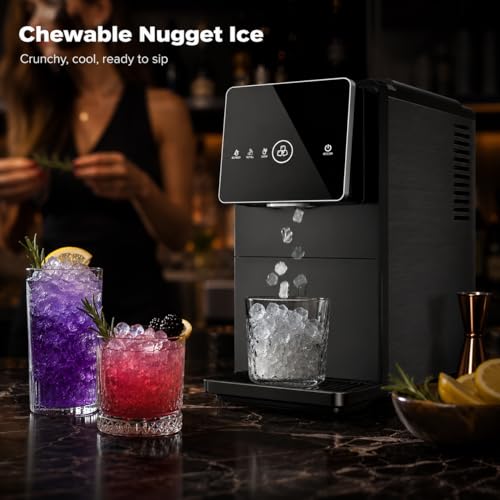
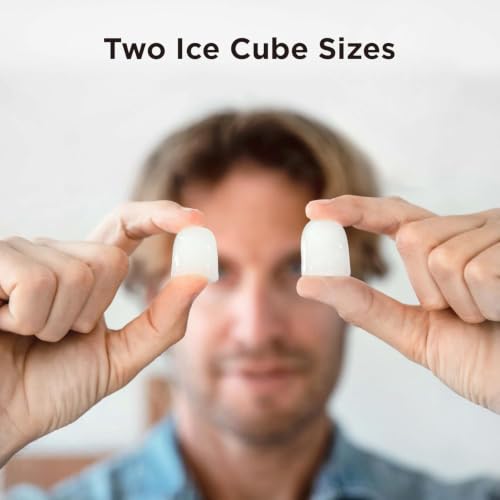
For ice type, choose based on the actual job: nugget or pebble ice is soft and chewable for snacking and fountain-style drinks, bullet ice is common and fast but often wet or hollow, and clearer/harder cubes are better if you want slower melting in cocktails or coolers. If you specifically want “Sonic-style” chewable ice, confirm the machine makes true nugget or pellet ice rather than small bullet cubes, and expect softer ice to melt faster unless transferred to a freezer. Owner feedback strongly supports this distinction: nugget-style machines are praised for soft, crunchy, small pellet ice, while standard machines are liked when cube size and shape work well for everyday drinks.
Ease
You’ll use an ice maker more often if it’s simple to fill, start, and monitor without constant checking or guesswork. Look for clear controls, easy-access water reservoirs and ice baskets, visible status indicators, and straightforward cleaning steps; watch out for designs with awkward drain plugs, cramped openings, or maintenance routines that make regular use feel like a chore.
For ease of use, look past the start button and check the daily chores: how easy it is to fill without spilling, remove the basket, drain leftover water, run self-cleaning, descale mineral buildup, and reach areas where slime or scale can form. A removable water tank, clear display, full-bin and low-water alerts, accessible drain plug, cleaning reminders, and app scheduling can matter if the machine will run every day. Owner sentiment backs this: buyers value machines that require little more than adding water and pressing start, and they especially appreciate straightforward setup, cleaning, app controls, removable tanks, displays, lights, and self-cleaning reminders.
Noise
Noise matters because an ice maker may run in a kitchen, office, RV, or bar area where repeated freezing cycles and ice-dumping sounds can become distracting. Look for a model with a low stated noise level and reviews that mention quiet operation during both ice production and bin release, not just when the compressor is idle. Be cautious if users report loud grinding, rattling, or sudden dumping sounds, especially if you plan to keep it near conversations, sleeping areas, or workspaces.
For noise, assume an ice maker will be more active than a passive appliance: it may hum from the compressor and fan, gurgle as water circulates, click during harvest, and thump when ice drops. If it will sit near a TV, bedroom, office desk, bar seating, or customer area, prioritize reported operating noise and avoid models with repeated mentions of grinding, harsh mechanical sounds, or loud operation after wear, since those can signal clogs or failing moving parts. Owner reports are split: some describe only a quiet refrigerator-like hum or light background sound, while others find production noticeably loud, and failed or worn units are sometimes associated with grinding or horrible noises.
1,000,000+ shoppers use Buyer's Guide every week to find the best products and services online.

Helping millions of users make smarter purchases online.


