
















We also considered 10 others:


Our Top Choice
Compare Features


The order above is not editorial opinion, and it is not paid placement. It comes from what shoppers across our network actually do - which countertop ice machine makers they compare, and which they ultimately buy. We re-rank as new data comes in, so the long-term favorites have to keep earning their spot against new entrants. The full method, including how we make money.
Countertop Ice Machine Makers Buyer's Guide
Countertop ice makers trade freezer storage for on-demand production: they can keep drinks supplied, but only if the reservoir, basket size, ice style, and refill routine match how fast your household uses ice. The sharpest checks are whether it makes the specific ice you want—especially chewable nugget ice versus bullet-style cubes—and whether you can live with the noise, cleaning, and manual water management that come with a compact machine.
Output
Output matters because it determines whether your ice maker can keep up with your daily drinks, entertaining, or cooler-filling needs without long waits or frequent empty cycles. Look for a unit with a production rate and storage capacity that match how you’ll use it, and pay attention to whether it makes ice consistently in real conditions rather than only under ideal settings. Also consider the type and size of ice it produces, since smaller or softer cubes may be made faster but can melt more quickly.
For output, do not rely on the daily production claim alone; check basket capacity, water-reservoir size, auto-shutoff behavior, and whether the machine can realistically keep cycling while someone refills water and removes ice. This matters because countertop units usually make ice in batches rather than storing a freezer’s worth, so a machine that is fine for daily drinks may still fall behind during parties unless you pre-bag ice. Owner feedback supports prioritizing steady cycle performance: buyers often praise machines that start producing quickly and keep a supply going when the reservoir is kept full, with some households using them throughout the day without feeling short on ice.
Reliability
You want an ice maker that can handle frequent freezing cycles, water exposure, and regular cleaning without leaks, jams, or early part failures. Look for sturdy construction, well-sealed components, easy access for maintenance, and owner feedback that points to consistent performance over time. Be cautious of flimsy housings, vague warranty support, or recurring complaints about pumps, sensors, or ice production stopping unexpectedly.
For reliability, look for designs that make scale, clogs, and wear easy to manage: accessible drain plugs, removable baskets, clear cleaning/descaling instructions, adequate side or rear ventilation, and simple controls are more important than extra modes if the machine will run daily. Nugget machines in particular should be judged for jam resistance and cleanability because their pellet-making mechanism can have more moving parts than basic bullet-style units. Owner sentiment backs this focus on everyday dependability, with many buyers describing countertop ice makers as simple to set up, easy to run with water plus a start button, and reliable enough to replace frequent store-bought ice runs, though value-oriented compact models should not be treated like heavy-duty commercial machines.
Speed
Ice production speed matters because it determines whether you’ll have enough ice ready when you need it, from daily drinks to entertaining guests. Look for how quickly the machine produces its first batch and how much ice it can make over time, but watch out for small storage bins or slow recovery after emptying, which can make a fast-rated unit feel less capable in real use.
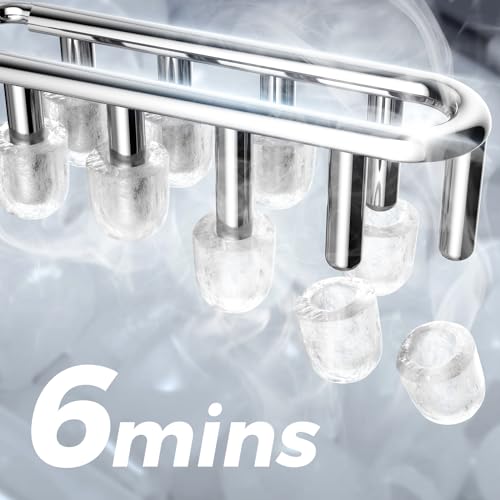
For speed, separate “first ice” from “usable ice”: a first batch in minutes is helpful, but the real question is how fast the basket refills after you empty it and whether production slows in a warm room or with warm water. If you need ice for back-to-back bottles, cocktails, coolers, or a small household that drains the basket quickly, favor models with short repeat cycles and enough output to recover between uses. Owner reports align with this distinction: many shoppers like machines that produce usable ice within minutes, with several seeing first batches around the advertised 6-to-8-minute range, and buyers commonly describe fast production as sufficient for everyday drinks, guests, couples, or small households.
Ice
The ice a machine produces affects everything from how fast drinks chill to how easy the unit is to use day to day. Look for ice that matches your needs in size and shape, releases cleanly from the basket or bin, and stays consistent without clumping, melting too quickly, or coming out wet and fragile.
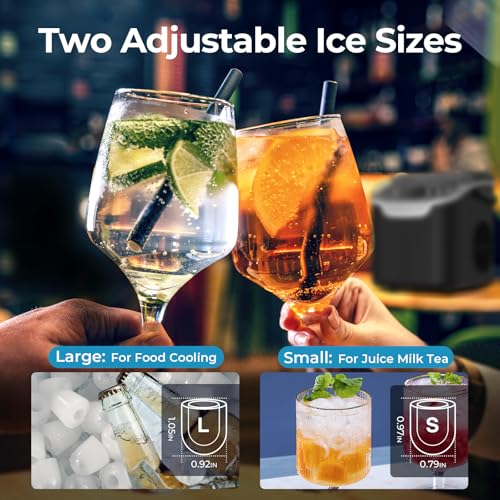
For ice type, choose the machine around texture first: nugget ice is the pick for soft, chewable pellets and drink absorption, while bullet-style cubes are often easier for general drinks and freezer storage but will not satisfy someone specifically chasing soft pellet ice. Also check whether the ice comes out wet or soft, because countertop ice often needs to be used quickly or transferred to a freezer if you want longer storage. Owner feedback strongly supports making ice style the deciding factor: nugget machines are repeatedly praised for small, soft, crunchy, chewable pellets similar to popular drive-in or fast-food ice, while bullet-shaped cubes are liked for being pleasant in drinks, easy to chew, and useful for freezing later.
Noise
Noise matters because an ice maker may run in a kitchen, office, RV, or bar area where repeated freezing cycles and ice-dumping sounds can become distracting. Look for a model with a low stated noise level and reviews that mention quiet operation during both ice production and bin release, not just when the compressor is idle. Be cautious if users report loud grinding, rattling, or sudden dumping sounds, especially if you plan to keep it near conversations, sleeping areas, or workspaces.
For noise, decide where the machine will actually run before buying: open kitchens, offices, RVs, bedrooms, and late-night use all expose compressor hum, fan noise, pump sounds, ice drops, refill noise, and—on some nugget units—auger or grinding sounds. If quiet operation matters, look for clear noise specifications, sleep/timer controls, and a placement with ventilation and distance from seating or sleeping areas; avoid assuming “countertop” means unobtrusive. Owner sentiment is notably split here: some buyers hear only a soft refrigerator-like hum, while others find operation louder than expected, and a smaller set of negative reports links durability problems with loud grinding or harsh noises, making noise one of the main watch-outs.
Ease
You’ll use an ice maker more often if it’s simple to fill, start, and monitor without constant checking or guesswork. Look for clear controls, easy-access water reservoirs and ice baskets, visible status indicators, and straightforward cleaning steps; watch out for designs with awkward drain plugs, cramped openings, or maintenance routines that make regular use feel like a chore.
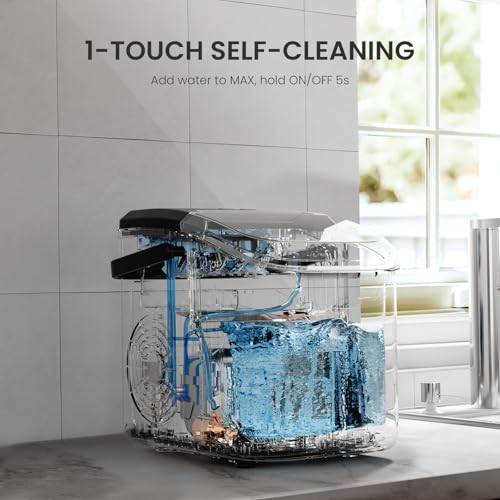
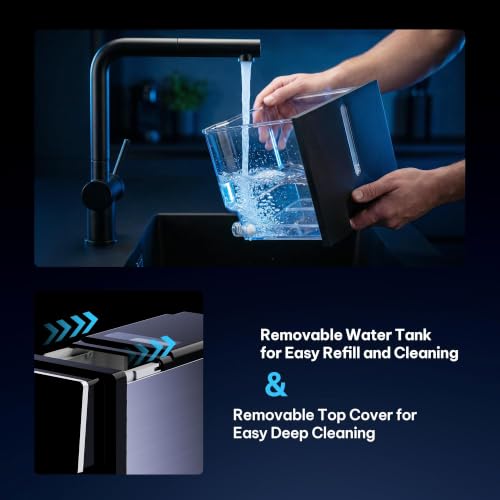
For ease of use, inspect the daily workflow: front-facing controls, a visible fill line, easy reservoir access under cabinets, a removable basket, simple ice transfer, clear indicators for full ice and low water, and a drain that is not awkward to reach. Cleaning convenience is just as important as setup, so favor machines with straightforward drain access and cleaning instructions if you plan to use it daily; smart scheduling or app control is only useful if it helps the machine pre-run before your normal ice demand. Owner feedback supports this priority, with buyers consistently valuing machines that are easy to set up and operate—often just adding water, pressing a button, and waiting a few minutes—with some also appreciating removable ice handling, clear instructions, and useful scheduling features.
1,000,000+ shoppers use Buyer's Guide every week to find the best products and services online.

Helping millions of users make smarter purchases online.


