




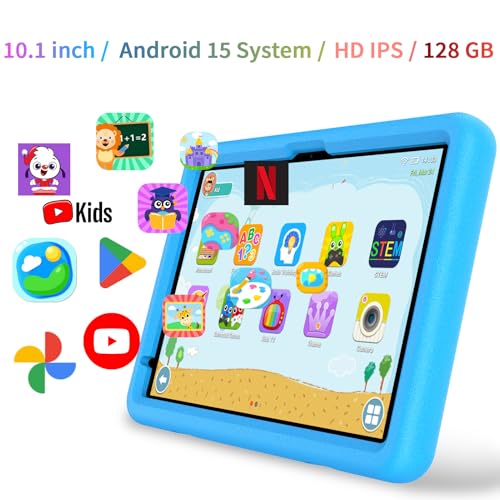


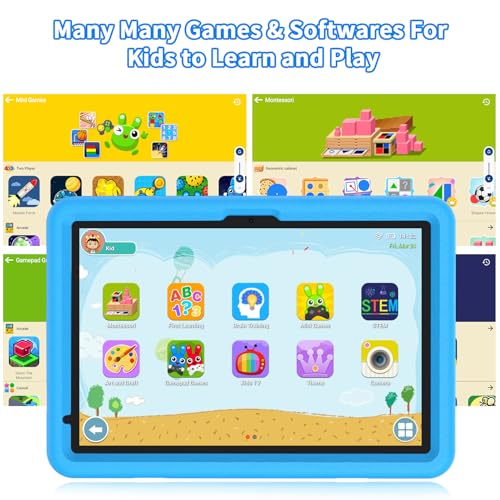


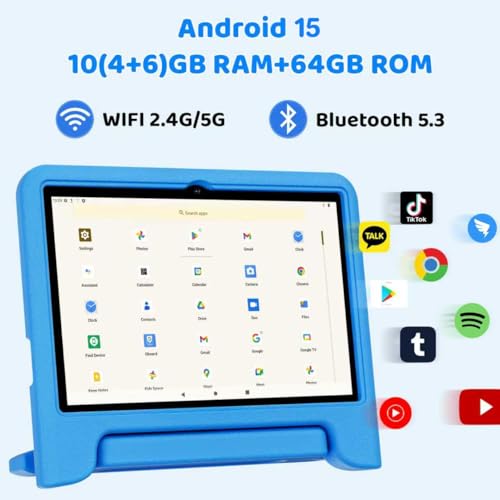


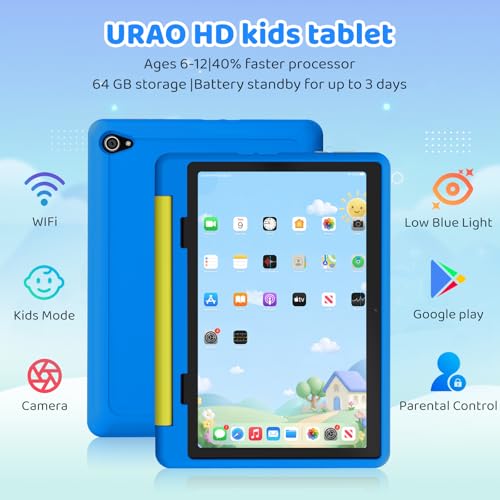








We also considered 10 others:


Our Top Choice
Compare Features


The order above is not editorial opinion, and it is not paid placement. It comes from what shoppers across our network actually do - which ipads for kids they compare, and which they ultimately buy. We re-rank as new data comes in, so the long-term favorites have to keep earning their spot against new entrants. The full method, including how we make money.
iPads for Kids Buyer's Guide
For a child’s tablet, the key tradeoff is not just specs versus cost; it is whether the device can survive drops, hold enough charge for travel or school, and stay manageable through parental controls and app limits. The sharpest checks are renewed-device condition, battery health, storage headroom for games and learning apps, and whether the case/charger setup is durable enough for daily kid handling.
Quality
A tablet’s quality affects how well it holds up to daily handling, travel, charging, and repeated use. Look for solid construction, a screen and body that feel well-fitted, dependable performance over time, and units that arrive in clean, working condition without defects, dead pixels, loose parts, or charging issues. Poor reliability or questionable condition on arrival can turn an otherwise capable tablet into a frustrating purchase.
Prioritize a unit with a clearly stated renewed grade, a clean screen, tested cameras/microphones, working speakers, reliable touch response, and a kid-safe protective case with raised screen edges and corner shock absorption; avoid listings that do not specify battery testing, charger condition, or return coverage, because children will expose weak ports, loose buttons, and touch issues quickly. Owner feedback supports this focus: many renewed tablets arrive cleaner and closer to new than expected and work smoothly, while kid-focused packages are often praised when they include sturdy cases, bright screens, learning apps, handles, and shockproof designs.
Value
A tablet with strong value gives you the features, performance, display quality, battery life, and accessory support you’ll actually use without making you pay for extras that don’t matter to you. Look for a balanced experience at the price: smooth everyday performance, enough storage, reliable software support, and the right screen size and quality for your needs. Watch out for cheap tablets that feel slow or limited quickly, as well as premium options that cost more mainly for features you may never use.
Judge value by the total kid-ready setup, not the tablet alone: include the cost of a rugged case, screen protector, child-safe headphones if needed, replacement charging cables, enough storage for offline videos and games, and a model new enough to keep running required school and streaming apps. Owner sentiment backs the idea that renewed tablets can be a strong value for a child’s basic use, with many buyers feeling they get dependable near-new performance for much less than a new device, and budget kid-tablet bundles feeling worthwhile when the included extras are actually useful.
Battery
Battery life determines how long you can use a tablet for browsing, streaming, reading, gaming, or work before you need an outlet. Look for realistic runtime that matches your habits, and pay attention to charging speed and standby drain, since a tablet that lasts all day but takes a long time to recharge may still be inconvenient.
For kids, battery is a reliability and safety issue: look for disclosed battery-health testing, a charger and cable that fit snugly, no reports of overheating, and enough runtime for car rides, flights, school days, or bedtime reading without constant recharging. Be cautious with older renewed units or very cheap bundles if battery condition is vague, because owner feedback is notably inconsistent: some families report long use and solid battery life, while others mention slow charging, weak cords, fast drain, charging failures, or runtime that falls short of newer devices.
Performance
You want a tablet that feels responsive when opening apps, switching between tasks, browsing, streaming, or playing games, so performance directly affects how pleasant it is to use every day. Look for enough processing power and memory for the way you use it, and watch out for lower-end tablets that may handle simple tasks fine but slow down with multitasking, demanding apps, or long-term updates.
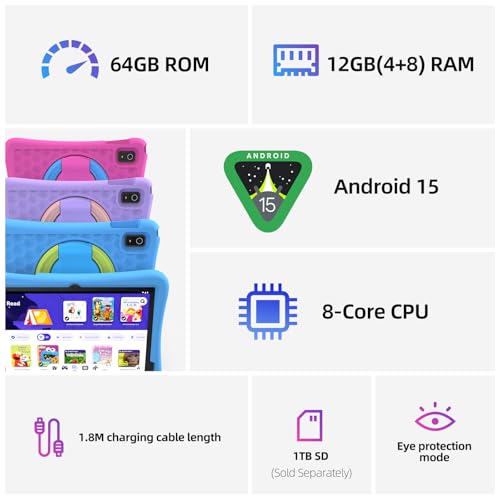
Match performance to the child’s real workload: streaming and reading need less power, but modern games, video calls, creative apps, multitasking, and school platforms need a recent enough processor, sufficient memory, and generous storage so the tablet does not bog down once large apps and downloads accumulate. Owners often find everyday performance smooth for videos, browsing, learning apps, reading, light games, and app switching, but the main failure modes are slow startup, lag, trouble with fuller apps, storage pressure, and occasional reliability issues after months of use.
Design
A tablet’s appearance matters because it’s something you’ll handle and see often, whether at home, work, school, or on the go. Look for a design and finish that feel polished, durable, and comfortable to hold, and watch out for glossy surfaces or light colors that may show fingerprints, smudges, or wear more easily.
Choose a design that works in small hands: rounded or well-protected corners, a grippy case, a carry handle or stand for videos and homework, raised bezels to protect the glass, and a screen that is clean enough for reading without distracting scratches. For renewed tablets, inspect photos and condition grading carefully, because owner reports are mostly positive about clean, almost-new-looking units with little visible wear, but some units still arrive with small scratches even when usability is fine.
Usability
A tablet should feel easy to navigate and fit smoothly into the way you work, read, stream, or create. Look for practical functionality like intuitive controls, strong app compatibility, reliable file sharing, and support for the input accessories you may need, especially a keyboard or stylus. Watch out for tablets that seem powerful on paper but limit your workflow through awkward multitasking, restricted ports, or accessories that are costly or uncomfortable to use.
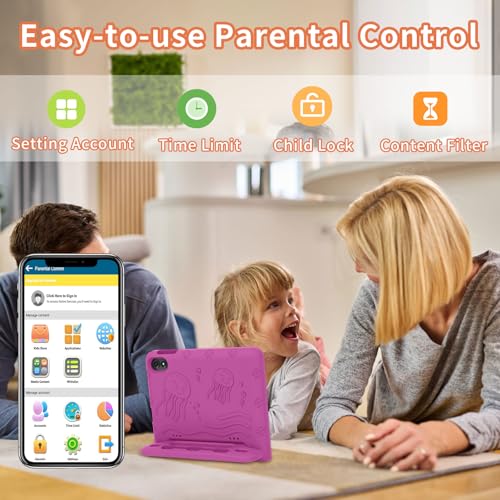
The best child setup is easy for an adult to lock down and easy for the child to use: check for built-in parental controls, app approval, screen-time limits, web filtering, simple setup, compatibility with school apps, and a familiar interface that caregivers can troubleshoot quickly. Owner feedback supports this as a strength for many renewed tablets, with buyers often saying setup is straightforward, apps download quickly, and everyday use such as browsing, streaming, note-taking, school tasks, and simple apps works smoothly right out of the box.
1,000,000+ shoppers use Buyer's Guide every week to find the best products and services online.

Helping millions of users make smarter purchases online.


