












We also considered 10 others:


Our Top Choice
The order above is not editorial opinion, and it is not paid placement. It comes from what shoppers across our network actually do - which hot air poppers they compare, and which they ultimately buy. We re-rank as new data comes in, so the long-term favorites have to keep earning their spot against new entrants. The full method, including how we make money.
Hot Air Poppers Buyer's Guide
Hot air poppers are bought for a specific tradeoff: fast, oil-free popcorn with easy cleanup, but less built-in flavor adhesion than oil-popped or microwave popcorn. The sharpest buying concerns are airflow quality, because it determines fluffy popcorn versus wasted or blown-out kernels, and practical design details like safe controls, chute alignment, and storage fit.
Pop Quality
Hot air poppers depend on airflow, chamber shape, and heat balance rather than oil to transfer heat. If that balance is off, the result is more unpopped kernels, blown-out kernels, or uneven texture. This is the core performance difference between a popper that feels convenient and one that wastes corn.
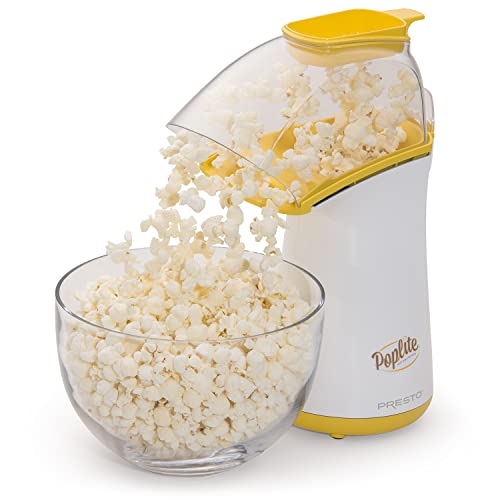
Choose a hot air popper with a chamber and airflow path that keeps kernels circulating until they pop, rather than blasting raw kernels straight through the chute. A deep receiving bowl and well-aimed chute matter because lightweight popped corn exits quickly, while poor alignment can scatter popcorn or eject unpopped kernels. Also remember that kernel freshness and moisture affect results, so even a good popper can leave a few kernels behind with older or very dry corn. Owner sentiment strongly supports prioritizing popping quality: buyers repeatedly praise light, crispy, fluffy popcorn and report very few wasted kernels overall, though some note that kernels can still be blown out or left unpopped depending on the corn used.
Batch Speed
Hot air poppers are valued because they turn dry kernels into a snack quickly, but speed only helps if the batch size fits the occasion. A too-small chamber can be frustrating for groups, while overfilling a larger one can hurt popping performance. The best fit is the one that delivers the right bowl size without repeated waiting or messy overflow.
Match the batch size to how you actually snack: a compact popper is convenient for one or two bowls, while family movie nights need a scoop size that produces multiple servings without requiring too many back-to-back runs. Look for a clear maximum-fill line or included measuring cup, and do not overfill the chamber; too many kernels can reduce circulation, increase waste, or cause overflow at the chute. If you expect consecutive batches, check whether the design calls for a cool-down period between runs. Sentiment points to speed as a major strength in this category, with buyers saying batches are ready in minutes and full scoops can be satisfying for home use.
Safe Controls
A hot air popper combines moving hot air, a heating element, and lightweight food that exits the machine rapidly. Simple controls are helpful, but the setup must also make it easy to avoid hot surfaces, blocked vents, and chamber misuse. Safety-minded design matters most when the popper is used around children, in dorms, or during busy snack-making.
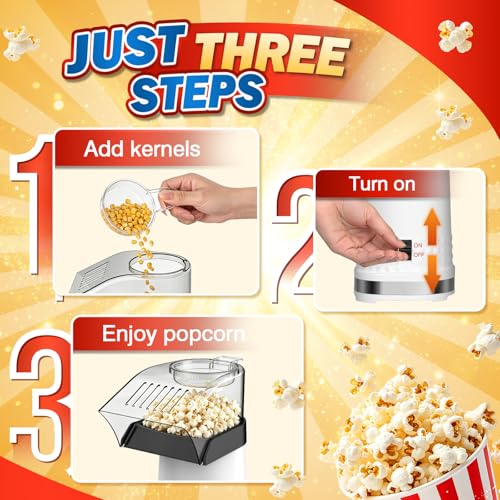
Look closely at the control style: some hot air poppers start as soon as they are plugged in, while others include a dedicated on/off switch. Plug-start designs can be wonderfully simple, but they require an accessible outlet and extra care so the machine is not energized before the bowl and chute are in place. Prioritize a stable base, heat-resistant chute or lid, clear fill markings, and instructions that warn against adding oil, butter, sugar, or seasoning directly into the popping chamber. Owner feedback backs up the appeal of simplicity, with repeated praise for simple directions, quick setup, one-button or plug-in operation, and low-effort use for snacks, movie nights, and family activities.
Easy Cleanup
One of the main reasons to buy a hot air popper is avoiding the oily pan, microwave bag residue, or greasy machine parts that come with other methods. Cleanup design affects whether the popper stays in regular use or gets left in a cabinet. Removable, simple parts and a dry popping path make frequent snacking much easier.
For easiest cleanup, choose a true hot-air design that keeps oil out of the popping chamber and sends finished popcorn directly into a bowl. Check whether the chute, top cover, and butter cup lift off easily, and avoid designs with narrow crevices where hulls and crumbs collect. The base should be wiped only as directed, because the electrical and heating components should not be rinsed or submerged. Owner sentiment is very consistent here: buyers like that air popping avoids greasy pots, often needs only a quick wipe, and stays practical for frequent movie nights, parties, or classroom-style activities.
Kitchen Fit
Hot air poppers are often bought for casual, frequent use, so storage friction matters. If the unit is awkward to store, unstable on the counter, or hard to position near a bowl, its convenience advantage disappears. Compactness should not come at the expense of a steady base and practical chute placement.
Pick a size and shape that can live where you will actually use it: a tall, narrow popper saves counter space but still needs clearance above the chute and room for a bowl in front. A lightweight body is easy to move, but it should still have non-slip feet and enough stability that vibration and airflow do not shift it during popping. Cord length and cord storage also matter in dorms, small kitchens, and cabinets. The sentiment provided supports this dimension directly, with buyers describing machines as sturdy, compact, easy to store, and useful in kitchens, dorms, or cabinets.
Flavor Options
Hot air popping is naturally oil-free, but that also changes how flavor sticks to the popcorn. A good flavor setup lets you keep the chamber clean while still adding butter or seasoning after popping. This matters for shoppers who want both healthier plain popcorn and occasional movie-style bowls.
If you want buttered or seasoned popcorn, look for a top measuring cup that doubles as a butter-melting tray, but make sure melted butter is added after popping or routed only as the design allows. Hot air popcorn comes out dry and light, which is great for an oil-free snack but means fine seasonings may not cling unless you toss the popcorn with a small amount of butter, oil, or spray after it leaves the machine. Avoid putting sugar, caramel, cheese powder, or loose seasoning in the hot-air chamber, where it can burn, clog, or damage the unit. Owner feedback supports the value of this feature set: buyers like butter-melting trays as a fun convenience and describe the finished popcorn as tasty, fluffy, and a better-tasting alternative to microwave bags.
1,000,000+ shoppers use Buyer's Guide every week to find the best products and services online.

Helping millions of users make smarter purchases online.


