











We also considered 10 others:


Our Top Choice
The order above is not editorial opinion, and it is not paid placement. It comes from what shoppers across our network actually do - which herb gardens they compare, and which they ultimately buy. We re-rank as new data comes in, so the long-term favorites have to keep earning their spot against new entrants. The full method, including how we make money.
Herb Gardens Buyer's Guide
Indoor herb gardens are a tradeoff between countertop convenience and the biology plants still need: enough light, steady moisture, oxygenated roots, and room to grow. The sharpest buying concerns are whether the system can produce repeated harvests of real kitchen herbs without constant fiddling, and whether its pods, pump, light, and supplies will be easy to maintain after the first planting cycle.
Plant Growth
An herb garden is only useful if it can take seeds or starts from sprout to harvest reliably. In indoor systems, growth depends less on the container itself and more on the balance of light intensity, root moisture, nutrients, airflow, and spacing.
Look first for a full-spectrum grow light with adjustable height, a pump or circulation design that keeps roots oxygenated, and pod spacing that lets leafy herbs mature instead of shading each other immediately. For basil, oregano, lettuce, and other small crops, the best systems make germination visible quickly and then support repeated cut-and-come-again harvesting; weak lights, cramped pods, or inconsistent water flow are common failure points. Owner feedback strongly supports prioritizing growth performance: many buyers report fast germination, quick sprouts, strong early growth, and successful herbs, greens, lettuce, bok choy, tomatoes, peppers, basil, and oregano.
Setup Help
Many buyers in this category are not experienced hydroponic growers, so the first setup matters. Clear instructions reduce mistakes with water level, nutrients, seed-starting domes, pump placement, and light timing.
Choose a garden with clear first-use steps: fill line, pod placement, nutrient dosing, light-height adjustment, pump connection, and a simple timer routine. Beginners should avoid systems that assume hydroponic experience or hide key setup details, because a mis-seated pump, wrong water level, or unclear planting depth can stall seedlings before the garden ever feels rewarding. Owners repeatedly praise simple assembly, plug-in-and-go starts, beginner-friendly controls, and easy planting, though some also note that incomplete instructions or pump guidance can create friction.
Counter Fit
Indoor herb gardens live in working spaces such as kitchens, apartments, offices, and classrooms. A unit that is too large becomes inconvenient, while one that is too cramped can limit airflow, light access, and harvest size.
Measure the exact counter, shelf, or windowsill area before buying, including overhead clearance for the light arm at full height. Compact gardens are great for herbs and small greens, but taller crops and crowded multi-pod layouts can run into light clearance, leaf overlap, and transplant timing issues; a good pick fits the kitchen while still giving plants enough vertical and lateral space. Owner sentiment highlights compact countertop footprints and indoor-friendly shapes as major advantages, while also noting that sizing expectations can vary.
Water Care
Hydroponic herb gardens depend on water as the root environment, not just as irrigation. Stable circulation, clean surfaces, and predictable refills help prevent stressed plants, algae buildup, and stalled growth.
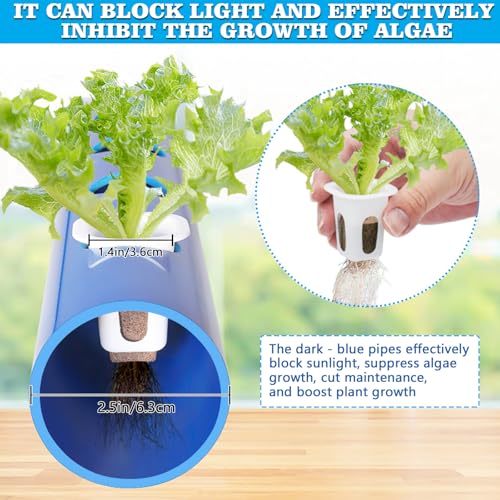
Prioritize a reservoir that is easy to refill, see into or monitor, and clean between growing cycles, plus a pump path that is accessible if roots or mineral buildup interfere with flow. Hydroponic herbs fail quickly when water level, nutrient mix, or circulation is neglected, so reminders, simple nutrient dosing, and washable parts matter more than decorative extras. Owners describe reliable pump and water flow, dependable everyday function, and low-maintenance operation, with some positive notes about practical cleaning and repeated growing cycles.
Starter Supplies
The first planting cycle is much easier when the garden includes the small consumables needed to start seeds correctly. Long-term satisfaction also depends on how easily those consumables can be replaced for future herb batches.
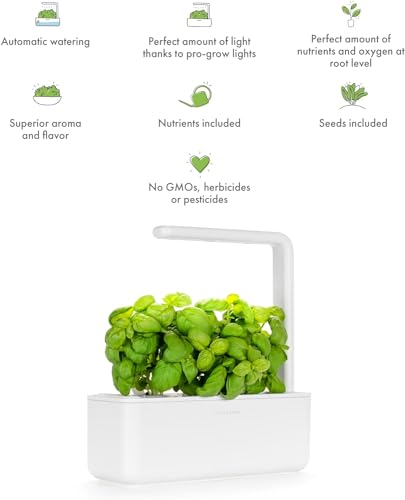
Check exactly what comes in the box: grow baskets, sponges or pods, germination domes, pod covers, nutrients, labels, tools, and whether seeds are included. Also look for refill compatibility, because a garden that only works with hard-to-source proprietary consumables can be frustrating after the starter supplies are used. Owners often see these kits as a strong value when they include pods, domes, covers, plant food, and tools, but sentiment also notes that seeds may not be included.
Controls
Indoor gardens need daily consistency, especially for light cycles and water management. Good controls reduce the mental load of growing herbs indoors and make the system easier to live with on a kitchen counter.
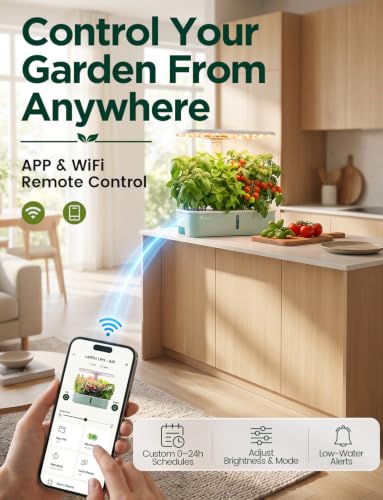
Look for automatic light timing, simple pump scheduling, water-level reminders, and controls that can be used without constantly opening an app. App features are helpful when they simplify reminders and monitoring, but the garden should still run basic light and pump cycles reliably if you do not want phone-dependent gardening. Owners praise app-based water reminders, lighting control, progress tracking, quiet operation, and simple controls, while broader feedback still points to basic reliability as the real priority.
1,000,000+ shoppers use Buyer's Guide every week to find the best products and services online.

Helping millions of users make smarter purchases online.


