



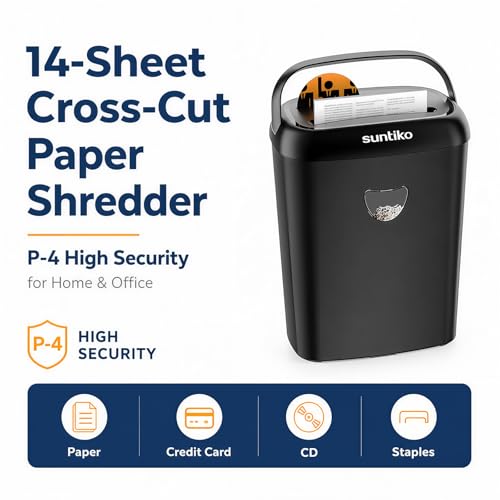
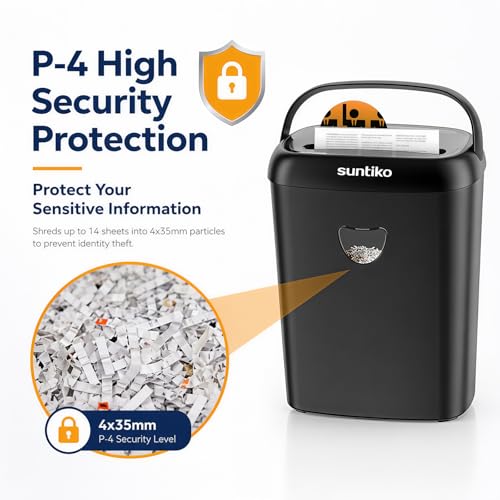


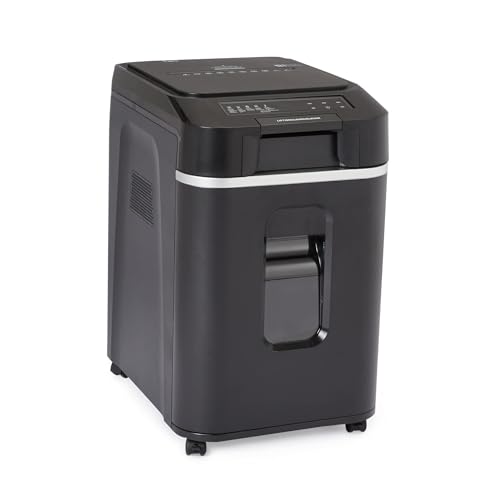







We also considered 10 others:


Our Top Choice
Compare Features


The order above is not editorial opinion, and it is not paid placement. It comes from what shoppers across our network actually do - which heavy duty shredders they compare, and which they ultimately buy. We re-rank as new data comes in, so the long-term favorites have to keep earning their spot against new entrants. The full method, including how we make money.
Heavy Duty Shredders Buyer's Guide
Heavy-duty shredders sit at a sharp tradeoff: you want enough throughput for stacks of old files, but also a cut size and duty cycle that protect sensitive records without constant jams or overheating. The biggest mistakes are trusting inflated sheet-count claims and ignoring the real workload—mixed mail, staples, cards, envelopes, long run times, and frequent bin emptying.
Performance
Strong shredding performance determines whether a machine can reliably handle your typical workload without jams, slowdowns, or uneven cuts. Look for a shredder rated for the sheet count and materials you actually need to destroy, and be cautious of models that only perform well with very small batches or require frequent pauses to recover.
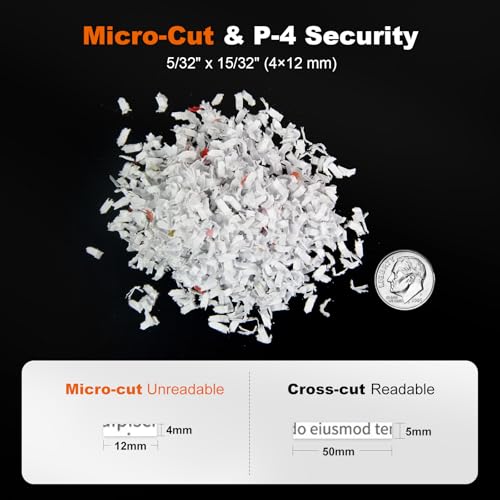
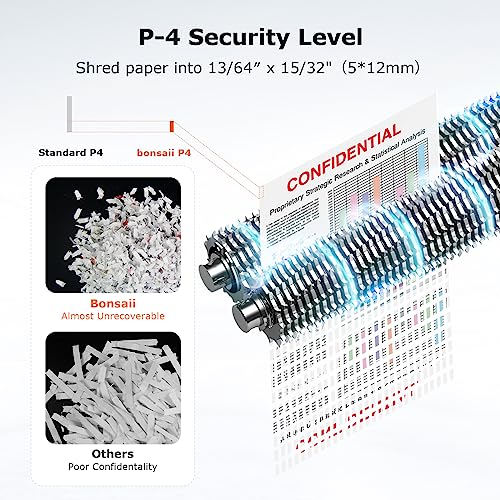
For heavy-duty shredding, judge performance by cut security, jam resistance, and material tolerance—not just the advertised sheet count. Look for cross-cut or micro-cut output if you are destroying financial, medical, legal, or identity documents; micro-cut gives smaller particles and better bin efficiency, while basic strip-cut is usually the wrong fit for sensitive records. Confirm the shredder is actually rated for the materials you use—staples, unopened envelopes, credit cards, discs, or light cardboard—and avoid assuming “heavy duty” means it can take thick mailers or folded stacks without slowing or jamming. Owner feedback supports this: buyers most often praise machines that smoothly handle paper, cards, envelopes, junk mail, and light materials while producing small confetti-like pieces with few jams.
Speed
Speed matters because it determines how long you’ll spend feeding pages and waiting for a shredding job to finish, especially if you regularly clear out stacks of documents. Look for a shredder with a steady pages-per-minute rate and a sheet capacity that matches your typical workload, but watch for models that shred quickly only in short bursts before needing a cooldown.
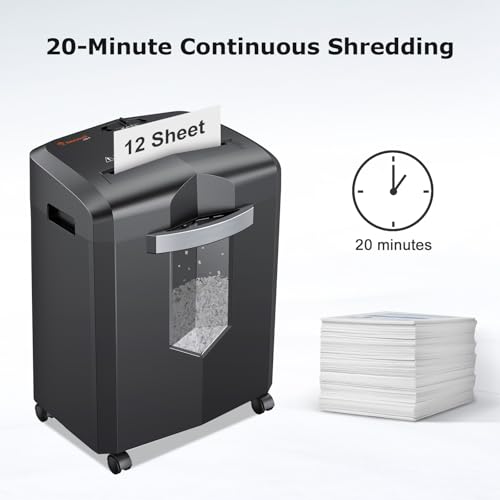
For speed, look beyond “sheets per pass” and check the duty cycle, cool-down time, feed rate, and whether auto-feed can process mixed stacks without babysitting. A shredder that takes 18 sheets manually but overheats after a few minutes may be worse for a file cleanout than a slower model with a long continuous run time or a reliable auto-feed tray. If you shred backlogs, tax records, or office archives, prioritize auto-feed with a lockable lid and a separate manual slot for odd items; if you only shred daily mail, fast manual feeding may be enough. Owners repeatedly value machines that power through stacks quickly, handle credit cards and staples smoothly, and let users load a pile, close the lid, and walk away during larger jobs.
Build
Build quality matters because a flimsy shredder can jam, overheat, or break down right when you need to clear a stack of documents. Look for sturdy construction, reliable feed mechanisms, clear jam-reversal or jam-prevention features, and a duty cycle that matches how much you plan to shred. Be wary of units that feel lightweight, struggle with more than a few sheets, or require frequent cooldowns during normal use.
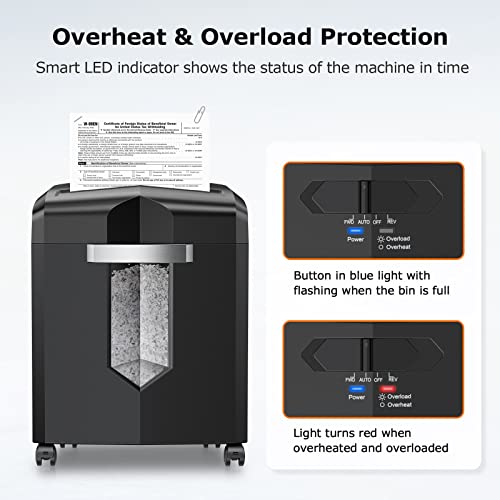
For build quality, prioritize the parts that prevent downtime: sturdy cutters, stable housing, a reliable bin-full sensor, thermal overload protection, an easy reverse function, and a pullout bin that does not spill shreds when removed. Heavy-duty shredders get top-heavy when the bin fills, so casters, a rigid cabinet, and a secure safety interlock matter more than sleek styling. If children or pets are nearby, look for a narrow feed throat, safety shutoff, and covered auto-feed area; also check whether the model requires regular oiling and whether that maintenance is easy to do. Owner sentiment lines up with this: buyers reward machines that feel solid, run neater and quieter than expected, and can handle envelopes, thick junk mail, light cardboard, and large piles without feeling flimsy.
Value
You want a shredder that feels worth its cost not just on day one, but after repeated use, so compare its capacity, runtime, security level, build quality, and jam resistance against what you actually need. Watch out for cheap models that save money upfront but struggle with thicker stacks, overheat quickly, or feel flimsy, as they can become frustrating if you shred often.
The best value is the shredder that matches your workload and security need without forcing you into constant jams, cool-down waits, or paid shredding services. Do not overbuy features you will not use, such as disc shredding or very large auto-feed capacity, but do not underbuy if you have boxes of old files, because a small unit can turn a one-day cleanup into weeks of stop-start shredding. Compare value by cost per completed job: cut type, run time, bin size, warranty coverage, maintenance needs, and whether bags or oil are required all affect ownership. Owners tend to see strong value when a shredder feels capable for home-office workloads, offers useful features, and replaces smaller machines that were too slow or tedious for serious paper cleanup.
Capacity
Capacity determines how many sheets you can shred in one pass and how often you’ll need to empty the bin, so it directly affects speed and convenience. Look for a shredding capacity that matches your typical stack size, but remember that thicker paper, envelopes, staples, or folded sheets can reduce the real-world amount it handles. A larger bin capacity is helpful for frequent shredding, while smaller bins are fine for occasional use but may fill quickly.
For capacity, separate three numbers: manual sheet capacity, auto-feed stack capacity, and bin volume. Advertised sheet counts usually assume clean, flat, standard-weight paper; folded forms, glossy inserts, staples, envelopes, and mixed junk mail can reduce real capacity, so choose headroom rather than running the shredder at its limit. For archive purges, look for high auto-feed capacity, a large pullout or bag-style bin, and a long run time; for daily household paperwork, a smaller bin may be fine if it is easy to empty. Owner reports strongly favor larger-capacity designs for bulk jobs, with praise for 60- to 200-sheet auto-feed trays, large bins, 18-sheet manual feeds, and micro-cut output that lets the bin hold more shredded material before emptying.
Noise
A shredder’s noise level matters if you use it in a home office, shared workspace, or anywhere you might interrupt calls, conversations, or concentration. Look for quiet operation if you shred frequently or in longer sessions, and be cautious with powerful or heavy-duty units that may cut quickly but sound harsh or disruptive while running.
Noise matters because heavy-duty shredders often run for long sessions, not just a few seconds at a time. If the shredder will live in a home office, shared workspace, apartment, or reception area, look for a quiet-rated motor, enclosed pullout bin, solid cabinet, and smooth low-vibration operation; a strained-sounding shredder is often being pushed too hard or built too lightly for the job. Also consider where heat and dust go during long micro-cut sessions, since quieter operation is only useful if the machine can keep running without overheating. Owners consistently appreciate models that are quieter than expected for their power, smooth during longer sessions, and less harsh than older or smaller shredders while still handling high-volume cleanup.
1,000,000+ shoppers use Buyer's Guide every week to find the best products and services online.

Helping millions of users make smarter purchases online.


