








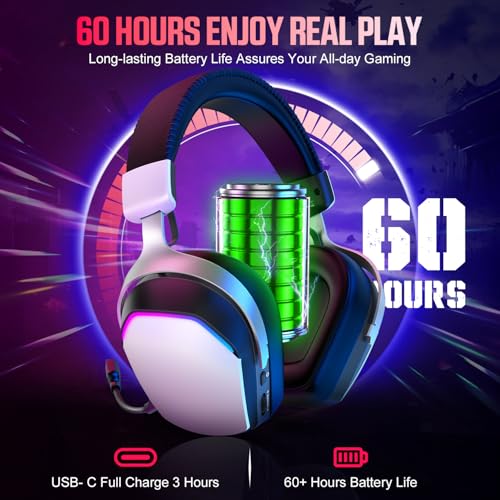


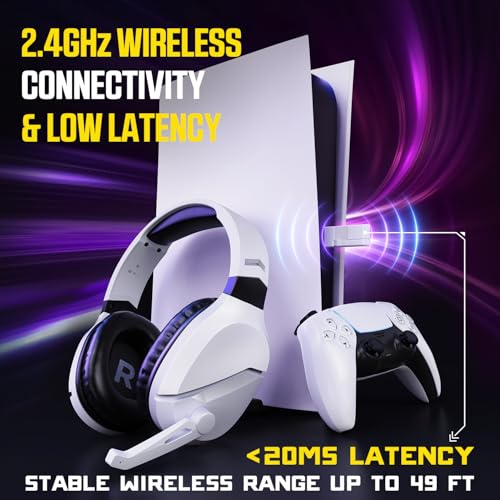


We also considered 10 others:


Our Top Choice
Compare Features


The order above is not editorial opinion, and it is not paid placement. It comes from what shoppers across our network actually do - which headphones they compare, and which they ultimately buy. We re-rank as new data comes in, so the long-term favorites have to keep earning their spot against new entrants. The full method, including how we make money.
Headphones Buyer's Guide
Headphones are a form-factor tradeoff first: wired models avoid latency and charging, wireless models add convenience, kids’ models need safe volume limiting, and gaming headsets need reliable mic and platform compatibility. The sharpest buying risks are hearing safety, connection dropouts or latency, and comfort failures that only show up after long sessions.
Quality
You want headphones that feel solid, fit securely, and keep working well after daily use, not just sound good out of the box. Look for sturdy hinges and headbands, durable cables or ports, replaceable ear pads where possible, and consistent owner feedback about reliability; watch out for fragile plastics, peeling materials, loose joints, or reports of one side failing over time.
For headphones, judge quality by the parts that fail first in your use case: hinge/yoke flex on over-ear models, cable strain relief on wired sets, charging contacts and case lid on earbuds, boom-mic swivel on gaming headsets, and pad material that can peel or trap sweat. For children, travel, or gym use, prioritize reinforced joints, washable or replaceable pads, sweat resistance where relevant, and a headband that can survive drops and twisting; avoid models with thin exposed wires, brittle folding joints, or nonreplaceable cushions if they will be used daily. Owner feedback supports this focus: many buyers describe affordable headphones as better built than expected, dependable in regular use, and durable enough for drops, kids, sweat, and everyday handling, while step-up models are often praised for stronger overall build.
Sound
Sound quality determines how enjoyable and accurate your headphones feel across music, calls, movies, and games. Look for clear detail, balanced bass, mids, and treble, enough volume without distortion, and a sound profile that suits your preferences rather than one that overwhelms everything with bass.
Match the sound profile to the job instead of buying the loudest or bassiest option: gaming needs clear positional cues and dialogue, calls need intelligible mids and a usable mic path, music listening benefits from clean bass that does not swamp vocals, and kids’ headphones should stay clear while enforcing safe volume limits. Earbuds are especially dependent on seal, so look for multiple tip sizes or ear hooks if bass, isolation, or secure fit matters; for video or gaming, also check for low-latency wired, dongle, or gaming modes rather than relying on ordinary Bluetooth. Owner sentiment backs up these priorities, with many users praising clear audio, solid bass, rich sound for the cost, loud-and-clear performance for games and videos, and kid-focused models that remain clear while limiting volume.
Value
Value matters because you want headphones that justify what you spend through sound quality, comfort, durability, features, and everyday usability—not just a low price or a long spec sheet. Look for the mix that fits how you’ll use them, and watch out for paying extra for features you won’t notice or saving money on a pair that feels uncomfortable, fragile, or disappointing over time.
Good headphone value comes from paying for the features you will actually use: a detachable or durable cable for wired listening, a low-latency dongle for gaming, safe volume limiting for children, replaceable ear pads for long-term use, a strong case for earbuds, and enough included tips, adapters, or controls for your devices. Avoid treating extra modes or noise-canceling claims as value if the basics—fit, platform compatibility, mic clarity, and connection stability—are weak. Owners often report strong value when inexpensive headphones deliver clear sound, solid construction, convenient portability, and performance that feels above expectations for gaming, calls, monitoring, music, and everyday listening.
Comfort
Comfort matters because headphones that feel fine for a few minutes can become distracting or painful during long listening sessions. Look for a fit that distributes weight evenly, with ear pads or tips that don’t pinch, trap too much heat, or create pressure points. If you’ll use them while commuting, working out, or moving around, make sure they sit securely without needing constant adjustment.
Comfort should be checked as a long-session fit problem: over-ear cups need enough depth so ears do not touch the driver, on-ear models need manageable clamp force, glasses wearers should look for softer pads, and hot environments favor breathable cushions or lighter earbuds. For earbuds, prioritize multiple tip sizes and, for exercise or commuting, ear hooks or stabilizers; for kids, check adjustability and weight; for travel or sleeping in noisy places, avoid bulky cups that press against pillows or headrests. Owner reports align with this: soft over-ear cushions, adjustable bands, lightweight builds, secure earhook designs, and included tip sizes are repeatedly credited with making headphones wearable for long listening, work, travel, exercise, and daily movement.
Battery
Battery life determines how long you can listen between charges, so you’ll want enough runtime for your typical commute, workday, workouts, or travel without constant interruptions. Look at both playback time and charging convenience, including how quickly they top up, whether the case adds extra charges for wireless earbuds, and whether performance drops noticeably when features like noise cancellation are turned on.
For wireless headphones, separate per-session battery life from total case battery life: earbuds may advertise long totals that depend on repeated recharging in the case, while headsets need enough continuous runtime for a full workday, trip, or gaming session. Look for USB-C charging, quick-charge support, a clear battery display or reliable app indicator, and a case that holds charge well; families and travelers should also consider standby drain, because headphones that sit in a bag can be dead when needed. Owner feedback is strongly positive here, with buyers praising long use between charges, charging cases that keep earbuds powered through repeated daily use, quick charging, wireless charging, digital case displays, and full-size headsets that go unusually long stretches between charges.
Connectivity
You want headphones that connect quickly, stay connected, and work smoothly with the devices you use most, whether that is a phone, laptop, tablet, console, or audio interface. Look for reliable Bluetooth pairing, enough range for how you move around, support for wired mode if you need low-latency or battery-free listening, and broad compatibility with your preferred platforms. Watch out for headphones that sound good but drop connections, switch devices awkwardly, or limit key features when used outside a specific ecosystem.
Check connection type against every device before buying: many consoles and work computers do not support ordinary Bluetooth audio the way phones do, gaming often needs a USB dongle or wired 3.5 mm connection for low latency, and switching between phone and laptop is easier with multipoint or clearly supported multi-device pairing. If you need one headset for several sources, prioritize models with multiple connection paths such as USB, Bluetooth, and a dedicated dongle; also verify controls, mic compatibility, and whether audio quality drops in call mode. Owner sentiment is mostly favorable—many buyers praise quick pairing, stable Bluetooth, easy controls, reliable reconnecting, and smooth switching across devices—but connectivity is also the clearest failure mode, with some reporting disconnects, reconnect loops, or audio cuts even near the receiver.
1,000,000+ shoppers use Buyer's Guide every week to find the best products and services online.

Helping millions of users make smarter purchases online.


