













We also considered 10 others:


Our Top Choice
The order above is not editorial opinion, and it is not paid placement. It comes from what shoppers across our network actually do - which guitar cables they compare, and which they ultimately buy. We re-rank as new data comes in, so the long-term favorites have to keep earning their spot against new entrants. The full method, including how we make money.
Guitar Cables Buyer's Guide
Buying a guitar cable is a tradeoff between preserving a clean high-impedance instrument signal and choosing a cord tough enough for real routing, coiling, pedals, and jack stress. The sharpest mistakes are buying the wrong TS/TRS or plug shape for the rig, and overlooking noise, strain relief, and length until the cable hums, crackles, or pulls out mid-play.
Clean Signal
A guitar cable is part of the signal chain, not just a wire; poor shielding or excessive capacitance can add hum, crackle, or a duller tone. This matters most with passive pickups, higher-gain rigs, longer runs, and pedalboards where small noise problems can become obvious.
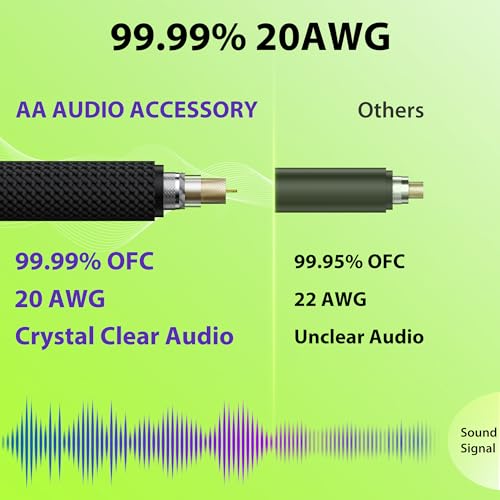
For an instrument cable, prioritize quiet shielding and low-capacitance construction over flashy outer wraps, especially for passive electric guitar or bass where long cable runs can dull highs and pick up hum. Look for owner evidence of no static, crackling, popping, buzz, hum, interference, or tone loss; avoid cables with repeated interference complaints unless your run is short and your setup is forgiving. In the sentiment here, clean sound is one of the strongest repeated themes: owners often report clear signal delivery, little to no hum or static, no obvious tone loss, and noise-free audio, though one mixed pattern notes that noise performance can still vary by setup.
Plug Fit
The wrong connector format can make a cable unreliable even if the cable itself is well built. Plug shape also affects stress on the instrument, amp, pedal, or interface jack, so orientation should match how the cable will actually route in your setup.
Match the plug type to the gear before buying: most electric guitars, basses, amps, and many pedals use 1/4-inch TS mono instrument connections, while TRS plugs are for specific stereo, balanced, expression, or interface-style uses and may be wrong for standard guitar-to-amp runs. Choose straight plugs when the jack points outward with plenty of clearance, and right-angle plugs for pedalboards, recessed side jacks, or tight amp/guitar spaces where a straight plug can be kicked or bent. Owner feedback supports this distinction: right-angle-to-straight layouts were praised for pedalboards and tight spaces, connectors were praised for solid non-crackly fit, and TRS-style functionality was noted as setup-dependent rather than universally suited to standard guitars and pedals.
Build Durability
Guitar cables usually fail at the plug, solder joint, or strain-relief area before the full cable length wears out. A durable cable should survive bending, coiling, foot traffic, and repeated setup without developing intermittent crackle or a loose connection.
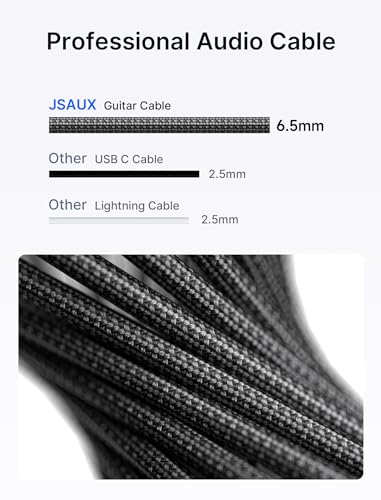
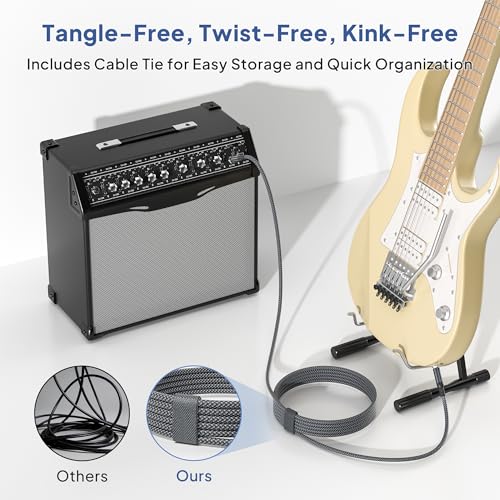
Inspect the build at the failure points: molded or reinforced strain relief, snug metal plugs, a jacket that resists cuts and kinks, and a cable diameter that feels substantial enough for your use without becoming stiff. Braided jackets can help with abrasion resistance and tangles, but they are not a substitute for good plug construction and strain relief; very thin cords are a watch-for if they will be stepped on, coiled often, or used outside a bedroom setup. The owner evidence leans positive on sturdy connectors, braided exteriors, reinforced ends, heavy construction, flexible cords, and repeat durability, while also flagging that some buyers found certain cords slimmer than expected.
Length Handling
Cable length changes both playing comfort and signal-chain behavior. Too short pulls on jacks, while too long can become messy, noisy, or harder to manage, especially around pedals and crowded practice spaces.
Buy the shortest cable that still lets you play comfortably: short patch lengths for pedalboards, moderate lengths for practice, and longer runs only when you truly need stage movement. Longer cables give freedom but can add clutter, trip risk, and more opportunity for signal loss or noise in sensitive rigs, so flexibility and kink resistance matter as much as the stated length. Sentiment points specifically praise a 15-foot length for allowing movement without pulling the plug from the amp, and multiple owners liked flexible or braided builds that resisted kinking in regular use.
Practical Value
A cheap cable that crackles or fits the wrong jack is not a bargain, and an overbuilt cable may be unnecessary for a simple practice setup. The best value is the cable that stays quiet, fits the rig, and survives the way it will be handled.
Judge value by whether the cable solves the core guitar problems—quiet signal, correct plug format, solid connectors, and dependable flex—not by thickness, packaging, or appearance alone. Multi-packs can be useful for backups, stereo/interface routing, or keeping separate practice and gig bags stocked, but only if each cable meets the same noise and fit requirements. Owner sentiment repeatedly frames these cables as strong value: buyers described dependable everyday cords, solid quality for the money, reliable two-pack usefulness, and performance that exceeded expectations, with the strongest value impressions tied to clean sound and sturdy construction.
1,000,000+ shoppers use Buyer's Guide every week to find the best products and services online.

Helping millions of users make smarter purchases online.


