





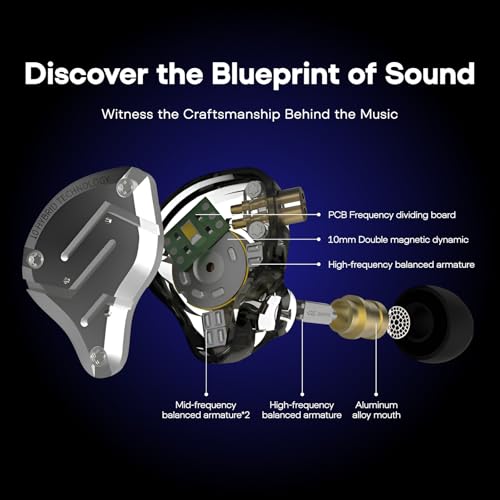

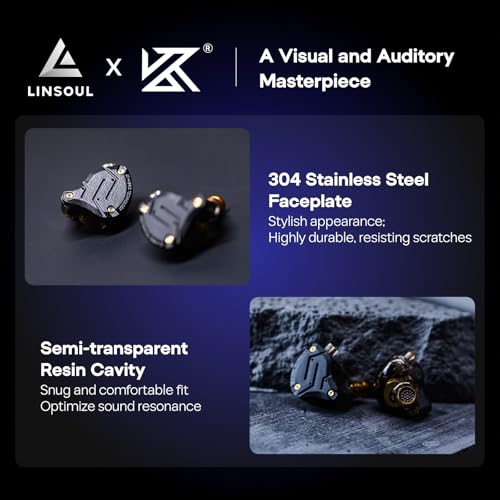



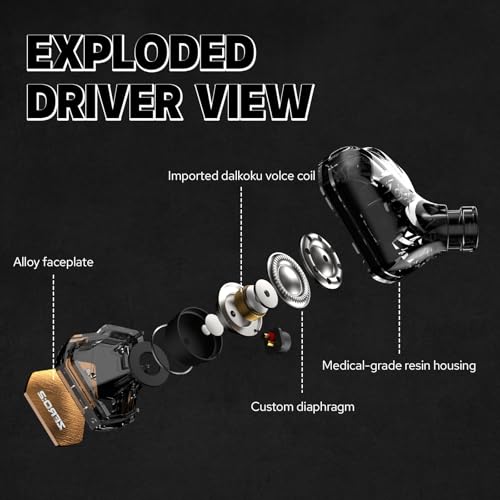


We also considered 10 others:


Our Top Choice
Compare Features


The order above is not editorial opinion, and it is not paid placement. It comes from what shoppers across our network actually do - which gaming earbuds they compare, and which they ultimately buy. We re-rank as new data comes in, so the long-term favorites have to keep earning their spot against new entrants. The full method, including how we make money.
Gaming Earbuds Buyer's Guide
Gaming earbuds have to balance headset-like chat and positional awareness with the comfort and portability people want from small in-ear gear. The biggest checks are latency and connection method for your gaming platform, plus whether the fit, mic, and isolation will hold up through long sessions without blocking cues you need to hear.
Build
You want earbuds that can handle daily use without loose seams, rattling housings, fraying cables, unreliable charging contacts, or tips that stop fitting securely. Pay attention to the sturdiness of the shells, hinges or case, cable strain relief on wired pairs, water or sweat resistance for workouts, and owner reports of early failures, connection issues, or one earbud dying before the other.
For gaming earbuds, prioritize strain relief, detachable or reinforced cables on wired/IEM-style models, sturdy charging-case hinges on wireless pairs, and lightweight housings that will not fatigue your ears during multi-hour sessions; avoid flimsy inline controls or thin cables if you plug into controllers, handhelds, or desktop DACs often. Owner feedback supports that many options in this category feel better built than expected for cost-conscious gear, with buyers often saying the construction and performance exceeded expectations while staying light enough for typical gaming use.
Fit
Fit matters because earbuds that don’t sit comfortably or seal well can sound thin, feel irritating, or work loose while you move. Look for multiple ear tip sizes or stabilizing features if you need them, and watch for pressure points, slipping, or a seal that breaks when you talk, chew, or exercise.
Fit matters more for gaming earbuds than casual earbuds because a poor seal can weaken bass, blur directional cues, and make chat volume inconsistent; look for multiple tip sizes, stable nozzles, and shells that do not press painfully when worn for long sessions. If you move while playing, use a handheld, or switch between desk and couch, also check that the earbuds stay put without constant reseating. Owners commonly praise soft tips, secure in-ear placement, and lightweight comfort, with several noting that included tip options help avoid pain and that earbuds can be more comfortable than bulky gaming headsets.
Sound
Sound quality matters because earbuds should make music, podcasts, and calls clear and balanced without forcing you to raise the volume. Look for enough bass to feel full without muddying vocals, clean detail at normal listening levels, and performance that stays consistent across different genres. Be wary of earbuds that sound overly boomy, harsh, or thin, since that can become tiring during longer listening sessions.
For gaming, do not shop only for heavy bass: look for clear mids for voice chat, controlled bass that does not mask footsteps, and good left-right separation for positional cues. If you also use them for music, streaming, or monitoring, a clear, slightly warm tuning can be more versatile than a sharply boosted “gaming” sound. Owner sentiment backs this up: buyers frequently praise clear, detailed sound, easy-to-pick-out voices and instruments, clean separation, and game/chat audio that remains understandable.
Value
Value matters because the best earbuds for you are not just the cheapest pair, but the ones that justify their cost through sound quality, comfort, battery life, durability, and useful features. Look for a balance between the features you will actually use and the compromises you can live with, and be cautious of paying extra for flashy specs or design touches that do not improve your everyday listening experience.
Judge value by gaming-specific usefulness, not just sound per dollar: confirm the earbuds include the connection type you need, usable mic placement, enough ear tips, and latency performance suitable for your platform before treating them as a bargain. A cheap pair that adds delay, needs adapters, or has weak chat pickup can cost more in frustration than it saves. Owners still see strong value across the category, often saying affordable IEM-style and wired earbuds outperform typical inexpensive earbuds and compare favorably with larger or more expensive listening gear.
Noise
Noise control matters because it determines how clearly you can hear your music, calls, or podcasts in places like buses, offices, gyms, and busy streets. Look for earbuds with effective noise cancellation and a secure fit, since active noise cancellation works best when good physical isolation blocks sound first. Watch out for models that reduce steady low rumbles well but still let voices, wind, or sudden sounds cut through.
Choose noise handling based on where you play: passive isolation helps with fans, keyboards, roommates, and travel, while active noise cancellation can be useful in louder environments but may add processing quirks or reduce awareness of real-world sounds. For competitive play, be cautious with overly strong ANC or deep isolation if it changes perceived spatial cues, and remember that isolation depends heavily on getting the right tip seal. Owner feedback is split in exactly this way: some buyers report strong cancellation or a snug seal that blocks outside noise well, while others find isolation fit-dependent, merely decent, or not comparable to full noise cancellation.
Connectivity
Strong connectivity keeps your earbuds paired reliably, with fewer dropouts when you move around, put your phone in a pocket, or use them in busy wireless environments. Look for easy Bluetooth pairing, stable range, and multipoint or smooth device switching if you regularly move between a phone, laptop, or tablet. Watch out for earbuds that reconnect slowly, favor one device too aggressively, or lose sync in crowded areas.
Connectivity is the sharpest gaming-specific risk: for wireless earbuds, verify low-latency mode, dongle compatibility, platform support, and whether voice chat works on your console, PC, phone, or handheld before buying. Bluetooth alone can be fine for casual play but may lag in rhythm, shooter, or cloud-gaming scenarios, and dongles or firmware can introduce their own dropouts or desync. Owner sentiment is uneven: some buyers report quick pairing and stable everyday connections, but recurring complaints mention Bluetooth problems, setup frustration, USB-dongle issues, low-latency desyncs, and inconsistent long-term reliability.
1,000,000+ shoppers use Buyer's Guide every week to find the best products and services online.

Helping millions of users make smarter purchases online.


