









We also considered 10 others:


Our Top Choice
Compare Features


The order above is not editorial opinion, and it is not paid placement. It comes from what shoppers across our network actually do - which gaming chairs for big guys they compare, and which they ultimately buy. We re-rank as new data comes in, so the long-term favorites have to keep earning their spot against new entrants. The full method, including how we make money.
Gaming Chairs for Big Guys Buyer's Guide
Gaming chairs for big guys have to balance lounge-like comfort with load-bearing structure; a chair can look oversized and still fail if the usable seat is narrow or the lift/base hardware is underbuilt. The sharpest checks are real sitting dimensions, not marketing labels, and whether the frame, gas lift, tilt mechanism, and cushioning can handle long sessions without wobble, bottoming out, or pressure points.
Comfort
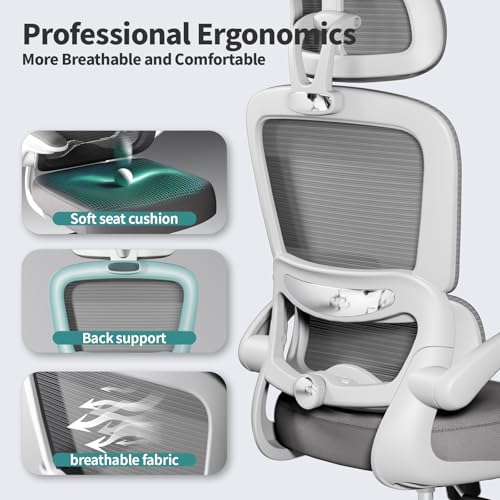
Comfort matters because a gaming chair that feels fine for a few minutes can become distracting or tiring during long sessions. Look for balanced cushioning that supports you without feeling overly hard or so soft that you sink and lose posture, and pay attention to how the seat, backrest, and armrests feel in your typical sitting position.
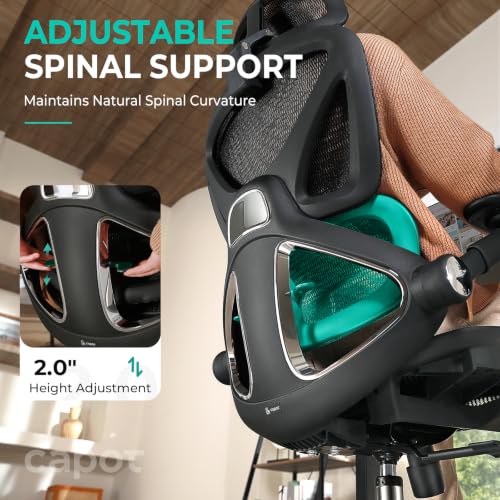
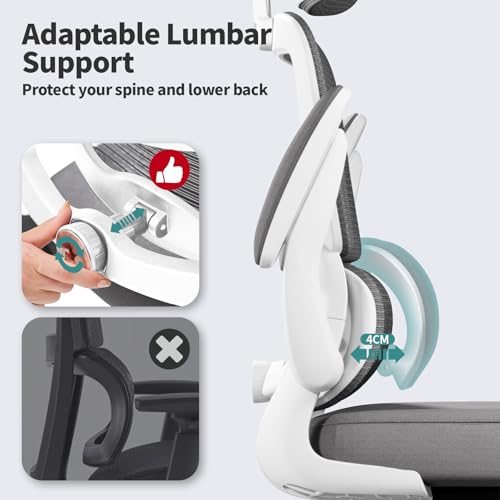
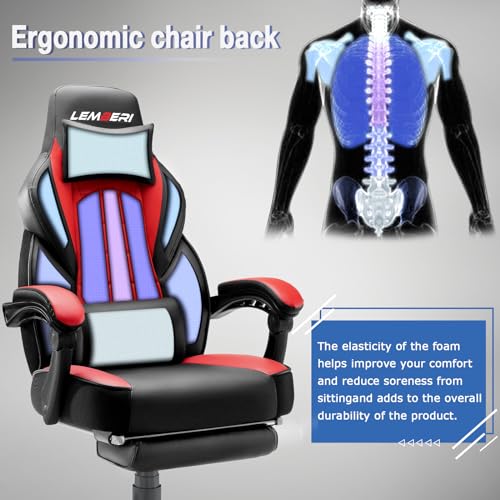
For bigger gamers, comfort starts with usable space and pressure distribution: look for a flat, wide seat without aggressive racing-style side bolsters, dense foam that will not bottom out, a tall back that reaches the shoulders/head, and lumbar support that contacts your lower back instead of floating behind you. If you use a footrest, make sure it is long and sturdy enough for your leg length; many are more of a light recline feature than true full-leg support. Owner feedback supports this priority: larger users often praise roomy seats, thick cushioning, supportive high backs, and lumbar/neck support for making long gaming or work sessions feel supportive rather than squeezed.
Build
You want a gaming chair that feels solid under you, with minimal wobble, creaking, or flex when you lean, shift, or recline. Look for a sturdy frame, secure armrests, a stable base, and tight-fitting components; watch out for loose joints, rattling parts, or reviews that mention instability after regular use.
For a big-and-tall gaming chair, build quality is a safety issue, not just a durability perk: prioritize a stated weight capacity with a real margin above your body weight, a steel internal frame, a metal five-star base, a heavy-duty gas lift, a reinforced tilt/recline mechanism, and armrests that do not rely on flimsy plastic mounts. Be cautious with chairs that advertise high weight limits but use narrow bases, vague materials, thin tilt plates, or lots of plastic in load-bearing areas. Owner sentiment aligns with this: buyers frequently call out solid bases, hefty parts, smooth casters, stable frames, and secure movement when leaning, turning, or rolling.
Assembly
Assembly matters because a gaming chair often has heavy parts, multiple bolts, and adjustable components that need to line up correctly for the chair to feel stable and safe. Look for clear instructions, well-labeled hardware, and realistic setup requirements, and watch for chairs that need two people, have poorly aligned holes, or make it hard to attach the backrest and armrests securely.
Because big-and-tall chairs are heavier and wider, check assembly details before buying: labeled hardware, clear instructions, included tools, and accessible bolt holes matter more when you are aligning a large backrest and seat alone. If possible, plan for a second person when attaching the back or arms, avoid cross-threading bolts, and re-tighten major fasteners after the first week because heavier loads can settle the frame. Owner reports are encouraging here, with many describing setup as quick, well organized, and manageable thanks to clear instructions and labeled parts.
Value
A gaming chair is only good value if its comfort, adjustability, materials, and build quality justify what you pay. Look for features you’ll actually use, like supportive cushioning, sturdy armrests, reliable recline, and durable upholstery, rather than paying extra for flashy styling. Watch out for chairs that look premium but cut corners on frame strength, padding, or warranty support.
The best value in this niche is not the chair with the most gamer styling; it is the one that combines a genuine big-user fit, a capacity margin, durable lift/base hardware, supportive cushioning, and adjustments you will actually use. Treat extras like recline, footrests, pillows, and colorful upholstery as secondary unless the core frame, seat width, and warranty coverage are credible. Owners often describe these chairs as good value when they feel substantial, supportive, comfortable for long sessions, and feature-rich without seeming cheaply made.
Size
Size affects both your comfort and how well the chair fits your setup, so check the seat width and depth, backrest height, weight capacity, and overall footprint before you buy. You want enough room to sit naturally without the bolsters or armrests squeezing you, but not so much chair that it overwhelms your desk area or limits movement in a smaller room.
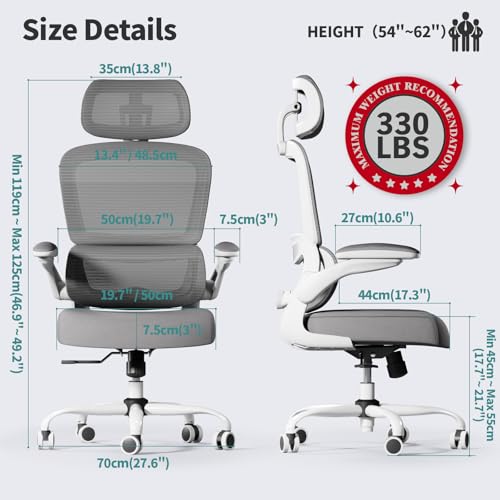
Size is the dimension to verify most carefully: compare your body to the usable seat width between the arms or bolsters, not just the outside chair width, and check seat depth so the front edge does not press behind your knees. Also confirm seat-height range for flat-foot posture, backrest height for your torso, armrest spacing for your shoulders/hips, and recline footprint so the chair fits your desk and room. Owner feedback reinforces this: larger buyers especially appreciate chairs that feel genuinely spacious, with wide seats, high backs, stable frames, and enough room to shift positions without feeling cramped.
1,000,000+ shoppers use Buyer's Guide every week to find the best products and services online.

Helping millions of users make smarter purchases online.


