













Our Top Choice
Why These Features Matter:
A wheelchair is less like “a product” and more like a piece of daily infrastructure. It has to fit through that one too-narrow doorway, survive the weird little ridge between the kitchen and the hallway, and not turn every errand into an arm workout that ruins the rest of the day. The right features aren’t about bragging rights; they’re about how the chair behaves in the messy middle of real life: damp sidewalks, crowded elevators, tight bathrooms, car trunks that are never empty, and the inevitable moment when someone tries to “help” by grabbing the wrong part.
This guide isn’t about chasing the fanciest options. It’s about the handful of details that make a chair feel calm, predictable, and livable—quiet where it should be quiet, sturdy where it counts, and not a minor home-renovation project to store.
Manual vs. Power: The Daily-Routine Reality Check
The first decision is less philosophical than it sounds. Manual chairs can be lighter, simpler to maintain, and easier to stash behind a door or slide into a trunk. Power chairs can save energy, reduce strain, and make longer distances feel normal again—but they also bring charging routines, heavier frames, and the occasional “where exactly is the charger” scavenger hunt.
- Manual chairs tend to shine for quick trips, tighter homes, and people who want something that folds without drama.
- Power chairs tend to shine for longer distances, fatigue management, hills, and anyone tired of turning every outing into a strength session.
Fit Isn’t a Detail — It’s the Whole Point
A wheelchair that “basically fits” is the kind that quietly makes everything harder. Seat width, seat depth, and back support are comfort issues, yes—but also posture, pressure, and how much energy it takes to move. A chair that’s too wide can feel like steering a barge through a studio apartment; too narrow and it’s discomfort that sneaks up on you, then refuses to leave.
- Seat sizing affects more than comfort; it changes control and how easily the chair slips through doorways.
- Back support can be the difference between “fine for 20 minutes” and “fine for the day.”
- Adjustability matters if multiple people will use it, or if needs may change over time.
Weight & Foldability: The Trunk Test
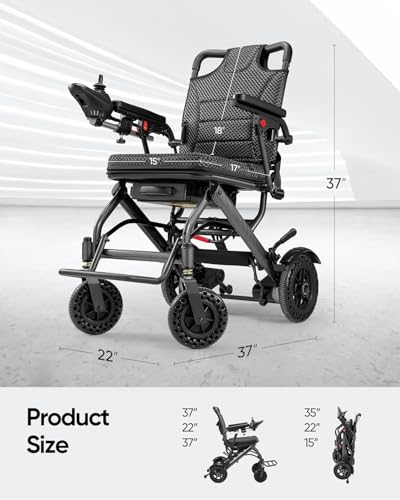
If the chair ever goes in a car, weight stops being an abstract number and becomes a mood. Lighter chairs are easier on shoulders and caregivers, and they’re less likely to turn loading/unloading into a two-person operation. Foldability is its own category of sanity: some chairs fold flat and cooperative; others fold technically, but only after a small wrestling match and a few bruised knuckles.
- Look for a fold that’s intuitive—something that can be done quickly without perfect conditions.
- Pay attention to “carry points”: where hands naturally grab, and whether those spots pinch or feel awkward.
- Storage footprint matters in apartments: a chair that “fits in the closet” is meaningless if it blocks the vacuum, winter coats, and everyone’s patience.
Wheels & Tires: Where Comfort Actually Lives
Wheels determine whether the chair glides or chatters. Harder tires tend to roll efficiently on smooth floors but can feel brutally honest on cracked sidewalks. More cushioned options can be kinder over rough pavement but sometimes add bulk or rolling resistance. For many people, this is where a chair’s personality reveals itself: quiet and smooth, or loud and jittery like a shopping cart with a grievance.
- Indoor-heavy life: prioritize smooth rolling and easy turning radius on hardwood, tile, and rugs.
- Outdoor-heavy life: prioritize stability, traction, and a ride that doesn’t punish every sidewalk seam.
- Flat resistance: a tire that never goes flat is a small luxury that feels enormous the first time it saves a day.
Maneuverability: The Small-Space Stress Test
A wheelchair’s turning behavior is the difference between gracefully pivoting in a kitchen and performing a five-point turn like a moving van. In tight homes, narrow hallways, and older buildings with “character,” a chair that handles corners well will get more use—because it doesn’t make every room feel slightly off-limits.
- Check the turning radius in real terms: bathroom doorway, galley kitchen, elevator.
- Front caster behavior matters more than people expect—tiny wheels can snag on thresholds and sidewalk gaps.
- Stability at speed: a chair that wobbles when rolling faster becomes exhausting, quickly.
Brakes & Controls: The Stuff You’ll Notice Every Single Day
Brakes are not glamorous, but they’re the line between “secure” and “why is this drifting.” They should be easy to reach, easy to engage, and not require hand strength that feels unreasonable. For power chairs, controls should be responsive without feeling twitchy, and positioned so they don’t force an awkward shoulder angle for hours.
- Manual chairs: seek brakes that lock firmly and don’t loosen over time with normal use.
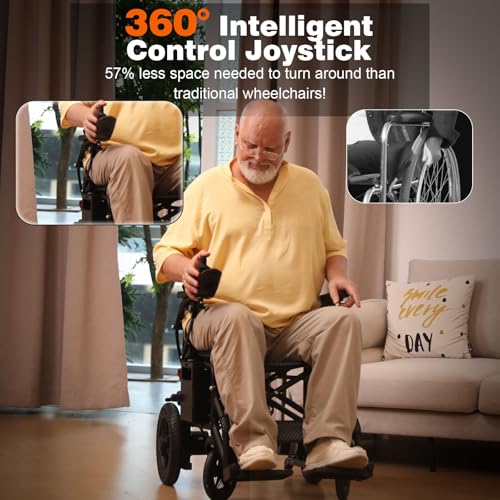
- Power chairs: look for intuitive joystick placement and a speed range that works indoors without making everything feel like a bumper-car rink.
Armrests & Footrests: Comfort vs. Constant Annoyance
Armrests and footrests are where little design choices turn into daily friction. Flip-back or removable armrests can make transfers easier—but they can also wobble or rattle if they’re poorly made. Footrests that swing away sound convenient until they start catching on furniture or refusing to click back into place when you’re late.
- Removable/swing-away parts are useful, but only if they reattach without fiddling.
- Foot support should feel stable—no one needs a footplate that flexes like a flimsy clipboard.
- Noise check: rattly armrests make a chair feel cheaper than it is.
Comfort & Pressure: The Cushion Isn’t Optional
A chair can roll beautifully and still be miserable to sit in. Cushioning and support are where longer days get easier—or harder. Many stock seats are fine for short periods, then slowly become a problem. If the chair will be used for hours at a time, prioritize a seating setup that’s meant for that reality, not just “included in the box.”
- Plan for a real cushion if daily use is frequent or extended; it’s often the difference between tolerable and truly comfortable.
- Breathability matters: materials that trap heat and moisture can get unpleasant fast, especially in summer.
- Back support should feel supportive, not hammock-like—sagging fabric backrests can create posture issues over time.
Build Quality: The Quiet Signals
You can learn a lot from a chair’s small behaviors. Does it squeak? Do the parts feel tight or a little loose? Does it roll straight without constant correction? The best chairs tend to feel calm—no drama, no mysterious wobble, no sense that something’s gradually unscrewing itself.
- Listen for squeaks and rattles—they often show up early and only get more annoying.
- Check for flex in the frame: a little is normal, but too much can feel unstable.
- Look at finish and fasteners: small hardware that’s easy to access can make maintenance less of a saga.
Transport, Lifts, and “Can Someone Help?” Moments
Even the most independent users end up dealing with other people’s hands on their chair. Handles should be placed where helpers naturally reach, and the chair should feel balanced when lifted—because awkward lifting is how backs get hurt. For anyone using rideshares, public transit, or frequent car trips, the loading process needs to be realistic, not aspirational.
- Anti-tip features can add peace of mind, especially on ramps, but may add bulk or interfere in tight spaces.
- Secure tie-down points matter if the chair will ever be transported in accessible vehicles.
- Car compatibility isn’t just “fits in trunk”; it’s “fits in trunk without removing five parts and losing one in the parking lot.”
Power Chair Considerations: Batteries, Range, and the Charging Life
Power chairs are liberating—and also a relationship with a battery. Range claims can be optimistic in cold weather, on hills, or with heavier loads. Charging should be easy to do nightly without reorganizing furniture. And yes, cables will end up in the wrong place at least once.
- Charging accessibility: the port should be easy to reach without contorting.
- Battery range: think about your longest typical day, not your average day.
- Weight and storage: power chairs can be a nonstarter in walk-ups or tight apartments without an elevator.
Things to Know Before Buying (So Regret Doesn’t Move In)
- Measure the narrowest doorway in the home—then measure the tightest turn.
- Think about flooring: thick rugs and thresholds can turn “easy roll” into “constant effort.”
- Plan the storage spot ahead of time. If it blocks daily flow, it will be resented.
- Maintenance isn’t a personality flaw: tires, bolts, and brakes need occasional attention. The easier it is to service, the more likely it is to stay pleasant.
- Accessories add up: cushions, bags, cup holders, and weather gear can make life easier, but they also add bulk and snag points.
Honest Caveats (Because Perfect Chairs Don’t Exist)
Lightweight chairs can feel less sturdy over rough terrain. Cushier tires can roll a little slower indoors. More adjustable chairs can introduce more parts to loosen over time. Power chairs can be wonderfully freeing and also remarkably heavy, especially in buildings that treat elevators as a luxury feature. And any chair—any chair—can become annoying if it’s difficult to clean (crumbs happen, and so do muddy wheels).
Guidance: How to Choose the “Best Wheelchair” for Actual Life
- For small apartments and tight interiors: prioritize maneuverability, a compact frame, quiet rolling, and a fold that’s quick.
- For mixed indoor/outdoor days: prioritize wheel comfort, stable casters, and a build that doesn’t rattle itself apart on sidewalks.
- For frequent car travel: prioritize low weight, easy folding, and parts that remove/re-attach without a fight.
- For long daily use: prioritize seating and support first. A smooth ride won’t matter if sitting hurts.
- For energy conservation and longer distances: consider power options—but plan honestly for charging, storage, and transport.
The best wheelchair is the one that disappears into the day—quiet, cooperative, and dependable—so attention can go back to everything else that matters.
1,000,000+ shoppers use Buyer's Guide every week to find the best products and services online.

Helping millions of users make smarter purchases online.

