


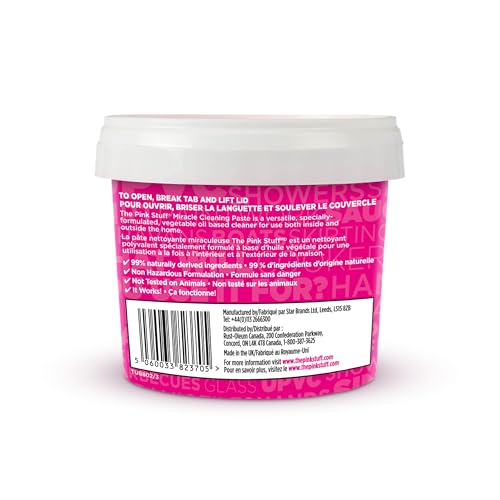










We also considered 10 others:

Our Top Choice
The order above is not editorial opinion, and it is not paid placement. It comes from what shoppers across our network actually do - which fiberglass tub cleaners they compare, and which they ultimately buy. We re-rank as new data comes in, so the long-term favorites have to keep earning their spot against new entrants. The full method, including how we make money.
Fiberglass Tub Cleaners Buyer's Guide
Fiberglass tub cleaners have to balance cleaning strength against surface safety: the wrong abrasive or harsh process can dull the finish even if it removes the stain. The sharpest buying questions are whether the cleaner is truly safe for fiberglass, whether it targets your specific buildup—soap scum, iron yellowing, mildew, or jetted-line residue—and whether fumes, rinsing, and spray hardware will make regular use realistic.
Surface Power
Fiberglass tubs usually have a finish layer that can be dulled by abrasive powders, harsh pads, or the wrong chemistry. The best cleaner has enough bite for soap scum, body oils, dirt, and residue while staying explicitly safe for fiberglass or acrylic-style bath surfaces.
Look first for a non-abrasive cleaner labeled safe for fiberglass tubs, and avoid scouring powders, magic-eraser overuse, stiff brushes, or cleaners that require aggressive scrubbing to work. For everyday fiberglass tubs, the formula should target soap scum, oily film, dirt, and leftover particles while rinsing clean enough not to leave a haze on the finish. Owner feedback strongly favors cleaners that visibly remove soap scum, oily residue, dirt, and stains other methods missed, and buyers especially notice when the tub looks cleaner or shinier afterward.
Stain Control
Not all fiberglass tub stains come from the same source, so a general bathroom spray may not solve every discoloration. Iron-rich water, hard-water deposits, mildew on caulk, and ordinary soap scum often need different dwell times or stain-specific chemistry.
Match the cleaner to the stain: use a fiberglass-safe mineral or iron-stain approach for yellow/orange hard-water discoloration, a soap-scum remover for gray film, and a mildew-focused product for problem caulk or seams. Do not mix stain treatments, especially bleach-type and acid-type cleaners, and test a small area when treating older fiberglass that may already be worn. Buyer reports support this distinction: some cleaners are strongly liked for RV shower stains, soap scum, dirt, and iron-related yellowing, while mildew-focused sprays earn praise when they continue working after a sit-and-rinse routine on caulk.
Jet Flush
A jetted fiberglass tub has two cleaning jobs: the visible shell and the hidden plumbing. Surface sprays cannot purge biofilm, soap residue, oils, and debris from internal lines, so jetted tubs need a cleaner made for circulation through the system.
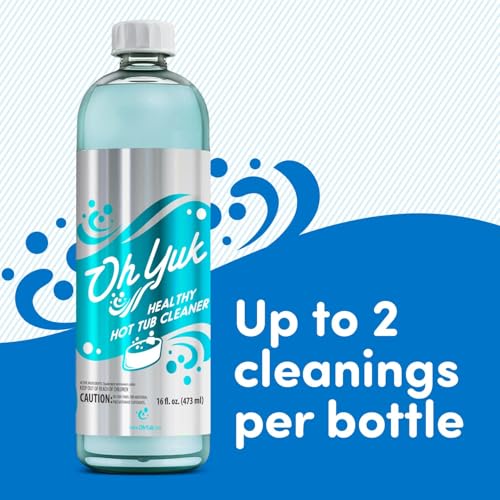
For a fiberglass jetted tub, choose a cleaner specifically meant to run through jets and plumbing, and follow the fill-line, run-time, drain, and rinse-cycle directions closely. Look for low-residue cleaning that can dislodge hidden buildup without excessive foam, and plan on extra rinse cycles if the first purge releases a lot of debris. Owners like seeing hidden buildup pulled from the plumbing because it confirms the cleaner is working, but they also note the process can look gross and foamy and may require more rinsing; quick monthly-style maintenance is viewed much more favorably than waiting until buildup is heavy.
Fume Safety
Tub cleaners are often used in small bathrooms, RV showers, or enclosed tub surrounds where fumes concentrate quickly. A safer-feeling formula, clear ventilation needs, and compatibility with sensitive households can matter as much as raw cleaning strength.
If the tub is in a small bathroom, RV, or poorly ventilated alcove, prioritize low-odor or less chemical-feeling formulas and still run ventilation during dwell time and rinsing. Wear gloves for stronger stain removers, avoid aerosolizing product more than necessary, and never combine cleaners to chase faster results. Owner sentiment is split on scent: some buyers describe cleaners as fresh, low-odor, or helpful for sensitive households, while others report strong fragrance or fumes that make ventilation important.
Easy Use
A cleaner that works chemically with proper contact time is usually better for fiberglass than one that depends on forceful scrubbing. Application hardware also matters because uneven spray wastes product and leaves missed patches on curved walls, floors, and corners.
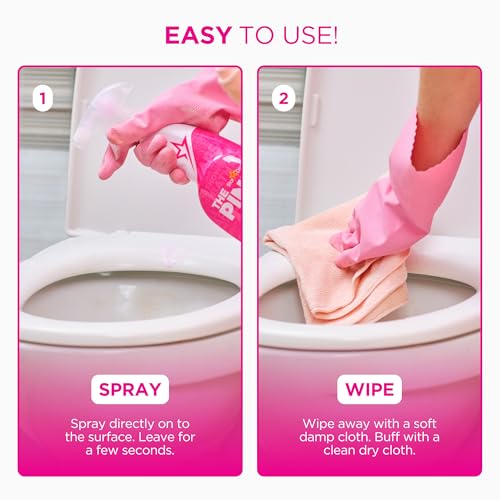
Choose a format that gives even coverage on vertical walls, corners, textured floors, and around fixtures, and confirm whether it includes a usable sprayer if you expect a ready-to-spray bottle. Favor cleaners that loosen buildup after a clear dwell period and rinse away with a soft cloth, microfiber pad, or non-scratch sponge rather than requiring abrasive pressure. Buyers often praise cleaners that are easy to apply and reduce scrubbing, but recurring complaints about uneven spraying, leaking bottles, missing sprayers, foaming, and extra rinse cycles show that the delivery system can make a good formula harder to live with.
1,000,000+ shoppers use Buyer's Guide every week to find the best products and services online.

Helping millions of users make smarter purchases online.


