





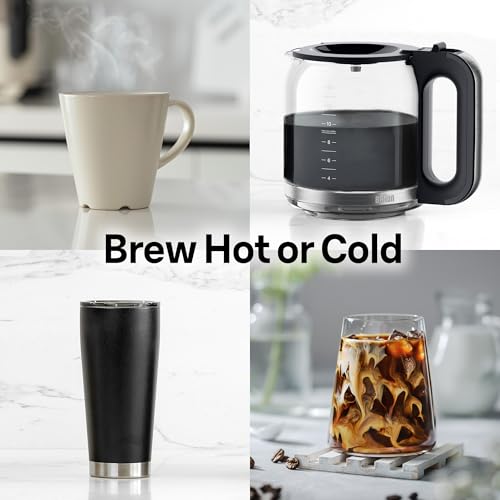
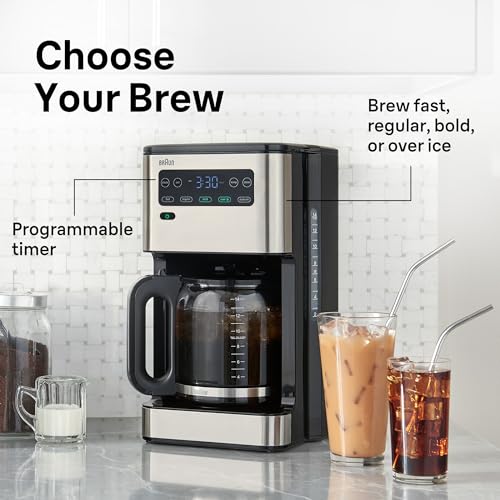


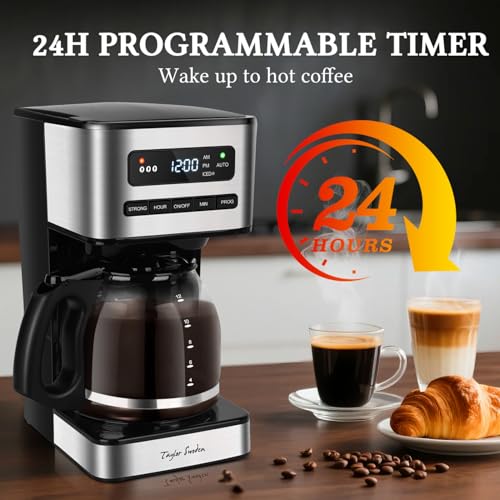


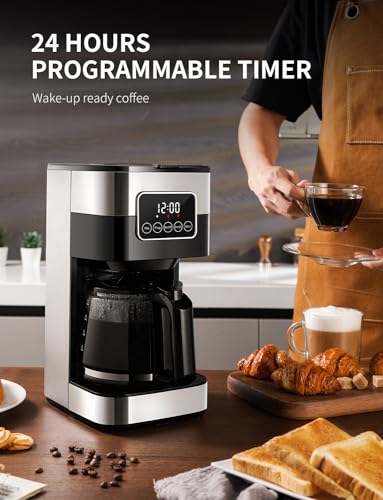


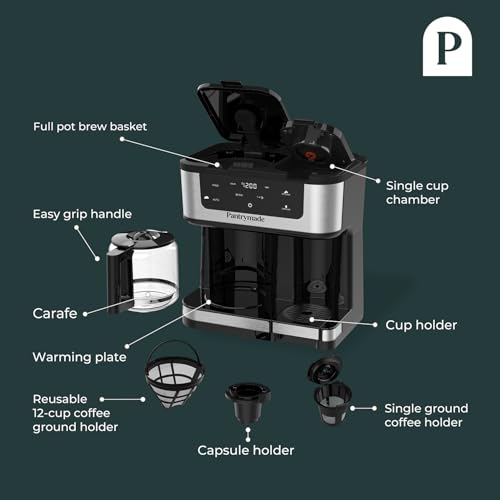


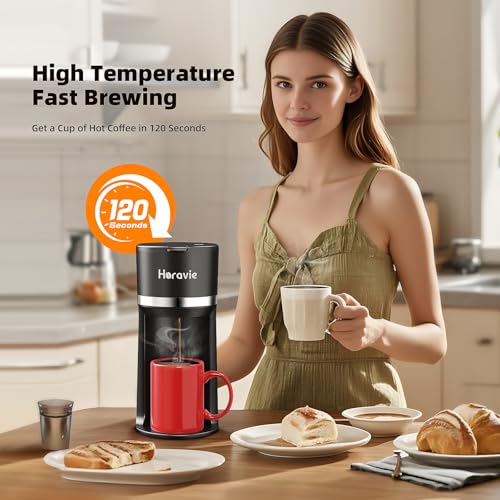


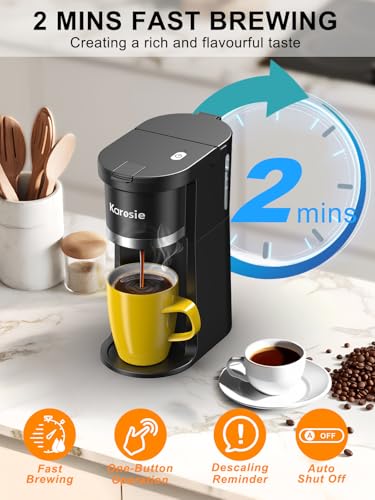
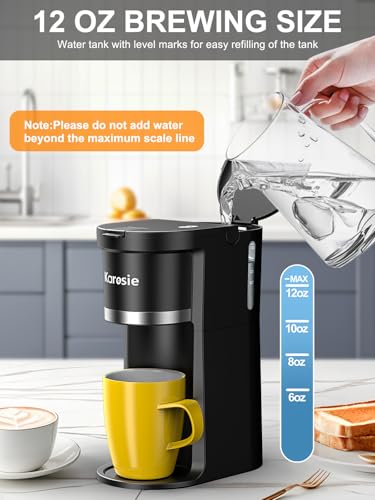


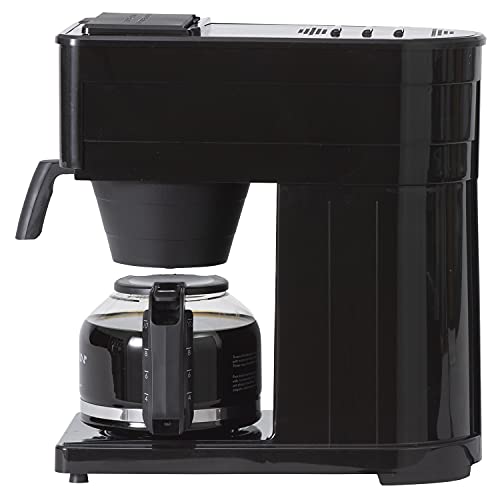


We also considered 10 others:


Our Top Choice
Compare Features


The order above is not editorial opinion, and it is not paid placement. It comes from what shoppers across our network actually do - which fast coffee makers they compare, and which they ultimately buy. We re-rank as new data comes in, so the long-term favorites have to keep earning their spot against new entrants. The full method, including how we make money.
Fast Coffee Makers Buyer's Guide
Fast coffee makers are a tradeoff between minutes saved and extraction quality: the wrong one can deliver coffee quickly but weak, lukewarm, or unevenly brewed. The sharpest concerns are whether the machine reaches proper heat before water hits the grounds, whether it can brew a full pot fast without under-extraction, and whether the everyday fill-and-clean routine is actually faster than a slower but simpler brewer.
Coffee
Coffee quality matters because a maker’s extraction, temperature control, and brew consistency determine whether you get a balanced, flavorful cup or one that tastes weak, bitter, or sour. Look for machines that match your preferred style—drip, espresso, cold brew, or tea-friendly brewing—and pay attention to grinder performance if it is built in, since uneven grounds can hurt flavor even when the brewer itself is capable.
For a fast coffee maker, do not judge speed alone: look for a brewer that can move water quickly while still saturating the grounds evenly, ideally with a showerhead-style water spread, a brew-strength option, and a basket size that matches how much coffee you actually make. Avoid machines that simply blast water through a small grounds bed, because weak, under-extracted coffee is the classic failure mode in this category; if you often brew full pots, prioritize models known to keep flavor clean at maximum capacity, not just on small batches. Owner feedback supports this priority: buyers repeatedly praise fast brewers that still produce good-tasting, flavorful drip coffee, and the strongest comments go to machines that make full pots quickly without seeming to compromise cup quality.
Temperature
Temperature affects both flavor and how enjoyable your coffee is once it hits the cup: water that is too cool can under-extract, while excessive heat or prolonged warming can make coffee taste harsh or stale. Look for a coffee maker that brews at a consistent heat level and keeps coffee hot without scorching it, especially if you tend to sip slowly or serve multiple cups over time.
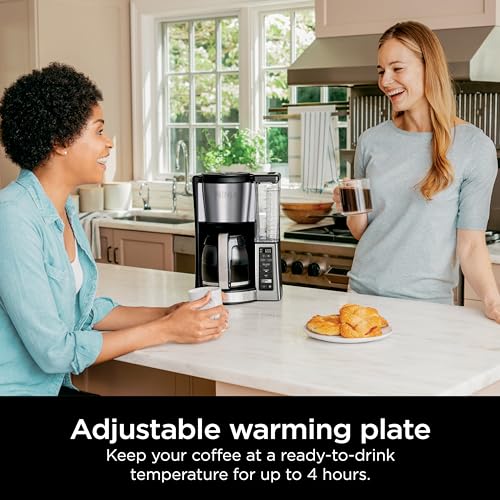
Check both brew temperature and holding temperature, because fast machines can fail either by brewing before the water is fully hot or by scorching coffee after the pot is done. For immediate drinking, look for consistently hot output; for households that sip over an hour or more, choose between a thermal carafe that preserves heat without cooking the coffee or an adjustable warming plate with auto-off timing. Be cautious with reservoir-style rapid brewers that may need priming or warm-up time before they reach stable temperature. Owners generally report hot coffee and appreciate programmable starts, thermal carafes, adjustable warming plates, and long keep-warm timers, but sentiment is mixed for some designs where temperature depends on setup, priming, or the specific heat settings.
Build
Build quality matters because a coffee maker deals with daily heat, water pressure, steam, and repeated handling, all of which can expose weak materials or poor assembly over time. Look for sturdy construction, well-sealed water reservoirs and carafes, durable buttons or controls, and parts that fit securely without flexing or leaking. Be cautious of flimsy plastics, loose lids, recurring drips, or reviews that mention early pump, heating, or gasket failures.
Fast brewing puts more stress on the heater, reservoir seals, spray system, basket, and carafe fit, so inspect for a sturdy brew basket that seats securely, a carafe that pours cleanly, accessible parts for descaling, and a water path that does not feel flimsy or leak-prone. If the machine keeps water hot internally for speed, reliability and safe countertop placement matter more than with a basic slow brewer; if it is single-serve, check that both pod and grounds adapters lock in firmly. Owner sentiment backs the importance of dependable construction: buyers describe many fast machines as well made, compact, convenient, and capable daily workhorses, with some longtime users valuing models that last through years of regular service.
Ease
A coffee maker that’s easy to use is more likely to fit into your daily routine without slowing you down, especially when you’re half-awake or making multiple cups. Look for clear controls, straightforward setup, simple filling and cleaning steps, and settings you can understand without constantly checking the manual. Watch out for machines with confusing menus, awkward water reservoirs, or too many rarely used features that make everyday brewing harder than it needs to be.
The best fast coffee maker should save time in the entire morning routine, not just during extraction, so prioritize front-fill or removable reservoirs if it will sit under cabinets, a basket that is easy to load without spilling grounds, readable controls, simple programming, and cleaning indicators. If you want coffee ready before you are awake, verify that auto-start is easy to set and that the machine will not require awkward preheating, lid opening, or reservoir access every morning. Owners frequently praise straightforward timers, readable displays, removable reservoirs, front-fill designs, clean indicators, and simple add-water/add-grounds routines, which shows that real-world convenience is a major part of satisfaction in this category.
Value
Value matters because a coffee maker’s true worth depends on how well it fits your daily routine, not just how much it costs. Look for owners who say it delivers consistent coffee, useful features, and durable performance for the money, and be cautious when reviews suggest you’re paying for extras you won’t use or quality that doesn’t hold up.
Value in a fast coffee maker comes from the right capacity and operating style, not just a low upfront cost: a 12-cup machine is only a deal if you actually brew pots, while a single-serve unit can become costly if it locks you into disposable pods. Look for reusable filters, compatibility with ground coffee, durable carafes, and features you will use, such as programmable start, brew-strength control, or thermal holding, instead of paying for complexity that slows cleanup. Owner feedback supports this practical view of value: shoppers often feel satisfied when a machine delivers hot coffee, useful capacity, reusable brewing options, solid build, and strong everyday performance without feeling like a cheap compromise.
Speed
Speed matters if you need coffee ready with minimal waiting, especially during busy mornings or when serving multiple people. Look at both heating time and total brew time, and remember that the fastest machine is not always the best choice if it sacrifices temperature stability, extraction, or consistency.
Measure speed by usable coffee in the cup, not just advertised brew time: include warm-up, filling, basket loading, drip-stop behavior, and cleanup. For full-pot buyers, look for machines that can finish a pot in a few minutes while maintaining flavor and temperature; for one-cup buyers, prioritize quick start, minimal splatter, and easy disposal or rinsing. Avoid models that are fast only after a long reservoir preheat unless that routine fits your schedule. Owner sentiment strongly favors machines that start brewing quickly, finish full pots very fast, and keep the process low-effort, with buyers repeatedly citing speed as a main reason they stick with this style of coffee maker.
1,000,000+ shoppers use Buyer's Guide every week to find the best products and services online.

Helping millions of users make smarter purchases online.


