

















We also considered 10 others:


Our Top Choice
Compare Features


The order above is not editorial opinion, and it is not paid placement. It comes from what shoppers across our network actually do - which bpa free coffee makers they compare, and which they ultimately buy. We re-rank as new data comes in, so the long-term favorites have to keep earning their spot against new entrants. The full method, including how we make money.
BPA-Free Coffee Makers Buyer's Guide
With BPA-free coffee makers, the key tradeoff is convenience versus how much hot water and steam contact plastic before the coffee reaches your cup. The sharpest buying concern is not the label on the box, but whether the reservoir outlet, tubing, showerhead, brew basket, filter, carafe lid, and seals are truly BPA-free or made from glass, stainless steel, or silicone.
Coffee
Coffee quality matters because a maker’s extraction, temperature control, and brew consistency determine whether you get a balanced, flavorful cup or one that tastes weak, bitter, or sour. Look for machines that match your preferred style—drip, espresso, cold brew, or tea-friendly brewing—and pay attention to grinder performance if it is built in, since uneven grounds can hurt flavor even when the brewer itself is capable.
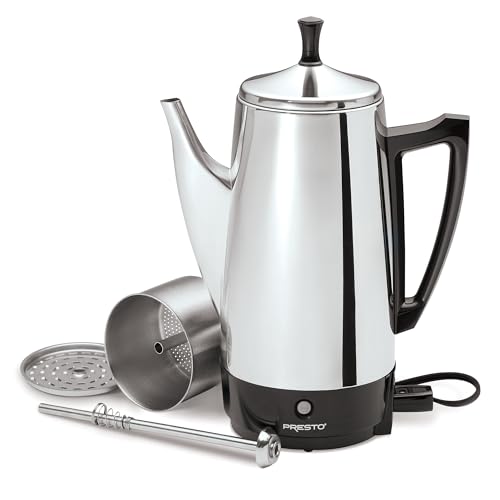
For coffee quality in a BPA-free brewer, first check the actual hot-water path: reservoir outlet, tubing, showerhead, brew basket, filter, carafe lid, and any internal valves should be glass, stainless steel, silicone, or clearly food-contact BPA-free—not just the outer housing. If you are especially sensitive to plastic taste or odor, a glass/stainless French press or stainless percolator reduces hot plastic contact, while drip buyers should look for even water dispersion, regular/bold strength control, and a basket that does not smell plasticky after rinsing. Owner feedback supports that good BPA-free options can still brew fast, hot, tasty coffee, with drip machines praised for everyday flavor, percolators for rich smooth cups, and French presses for smooth coffee with a more plastic-free feel.
Temperature
Temperature affects both flavor and how enjoyable your coffee is once it hits the cup: water that is too cool can under-extract, while excessive heat or prolonged warming can make coffee taste harsh or stale. Look for a coffee maker that brews at a consistent heat level and keeps coffee hot without scorching it, especially if you tend to sip slowly or serve multiple cups over time.
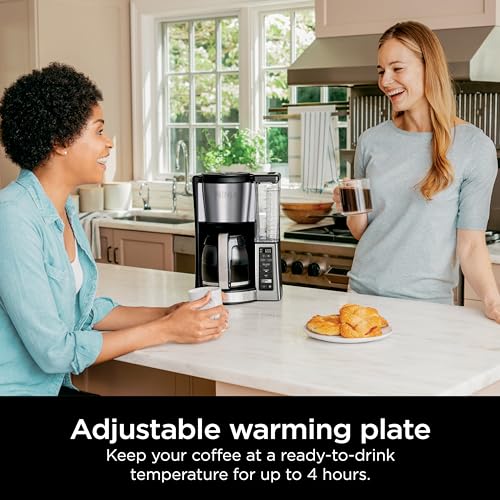
For temperature, the niche tradeoff is that coffee needs genuinely hot water for extraction, but hotter water also makes material choice in the brew path more important. Favor machines that heat water through metal components and move it quickly through certified food-contact parts; avoid models where hot water sits in questionable plastic, where the carafe lid traps steam against plastic for hours, or where owners report weak warming or failed perking. Adjustable warming plates and thermal carafes are useful, but choose based on your habits: a glass carafe plus warmer keeps coffee hot for late drinkers, while a thermal carafe avoids prolonged hot-plate cooking, though some owners find heat tapers to merely warm later in the day. Sentiment is mostly positive on hot coffee and programmable wake-up brewing, but temperature consistency is a known mixed point across some units.
Build
Build quality matters because a coffee maker deals with daily heat, water pressure, steam, and repeated handling, all of which can expose weak materials or poor assembly over time. Look for sturdy construction, well-sealed water reservoirs and carafes, durable buttons or controls, and parts that fit securely without flexing or leaking. Be cautious of flimsy plastics, loose lids, recurring drips, or reviews that mention early pump, heating, or gasket failures.
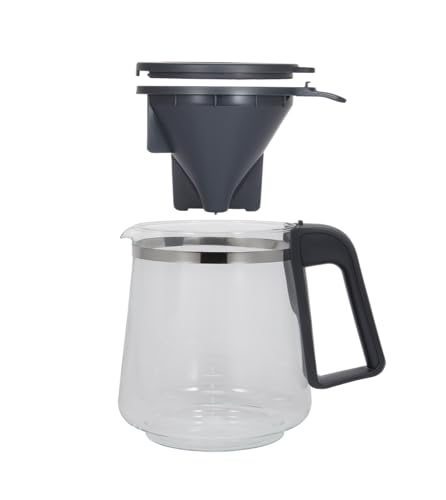
For build, do not treat “BPA-free” as a complete safety specification: confirm which food-contact parts are BPA-free and look for glass carafes, stainless steel brew baskets or filters, stainless percolator bodies, borosilicate glass presses, and silicone rather than mystery rubber seals. Avoid internal painted/coated surfaces, decorative metal finishes that contact water, flimsy plastic brew baskets that warp, and machines with strong chemical odor after several rinse cycles. Owner sentiment suggests many shoppers find dependable, everyday build quality and good long-term reliability even in lower-cost machines, and plastic-free-feeling French press designs and sturdy percolators are especially appreciated by buyers who care about materials.
Ease
A coffee maker that’s easy to use is more likely to fit into your daily routine without slowing you down, especially when you’re half-awake or making multiple cups. Look for clear controls, straightforward setup, simple filling and cleaning steps, and settings you can understand without constantly checking the manual. Watch out for machines with confusing menus, awkward water reservoirs, or too many rarely used features that make everyday brewing harder than it needs to be.
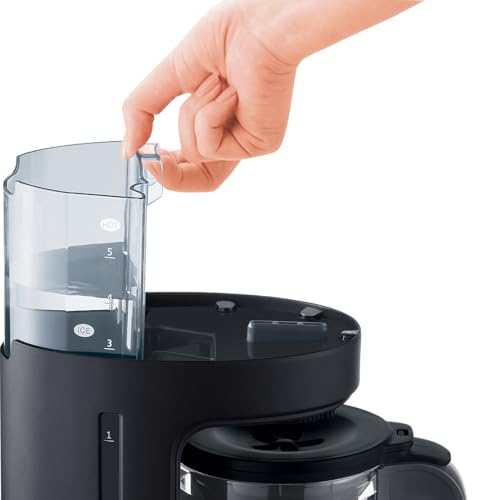
For ease of use, prioritize a BPA-free design you can actually keep clean: removable reservoirs, removable brew baskets, wide-mouth carafes, accessible lids, dishwasher-safe glass/stainless parts, and clear descaling access matter because coffee oils and mineral scale can cling to plastic and tubing. Programmable start, readable controls, and removable water tanks are helpful, but they should not come at the cost of hidden, non-serviceable hot-water channels or many small plastic pieces that are hard to inspect. Owner feedback supports that the better options are simple to program, easy to fill, quick to brew, and straightforward to clean, with some buyers specifically praising stainless parts and uncomplicated assembly.
Value
Value matters because a coffee maker’s true worth depends on how well it fits your daily routine, not just how much it costs. Look for owners who say it delivers consistent coffee, useful features, and durable performance for the money, and be cautious when reviews suggest you’re paying for extras you won’t use or quality that doesn’t hold up.
For value, do not pay extra for a vague BPA-free label alone; the better buy is the brewer that verifies food-contact materials, has replaceable carafes, baskets, filters, and seals, and avoids locking you into disposable plastic pods or proprietary parts. A basic drip machine can be a good value if the hot-contact plastics are specified and durable, while a glass/stainless press or stainless percolator may cost less over time because there are fewer plastic parts to replace. Owner sentiment supports strong value across several styles: buyers praise low-cost everyday brewers, reliable long-term use, percolators that feel well made, thermal-style performance for less than pricier alternatives, and home cold brew or espresso-style drinks that reduce store-bought spending.
Design
A coffee maker’s design affects both how it looks on your counter and how easily it fits into your daily routine. Consider the machine’s footprint, height, and overall appearance, especially if you have limited space or low cabinets, and make sure its capacity matches how much coffee you typically brew. Watch for compact models that save space but require more refilling, or larger machines that offer convenience but can crowd your kitchen.
For design, look past the countertop look and inspect what the design hides: a stainless exterior does not guarantee a stainless water path, and a compact brewer may still use plastic tubing, lids, baskets, or reusable filters where hot water and steam collect. Choose a size that matches your household so coffee is not held hot for hours against plastic lids or warmed until stale; one- or two-person households often do better with compact brewers, presses, or small carafes. Favor layouts with separate, easy-clean water tanks and minimal crevices, and avoid decorative coatings near heat or internal liquid contact. Owner feedback supports that shoppers like polished stainless looks, compact footprints, retro or attractive counter-friendly designs, and practical cleaning touches when the layout stays simple.
1,000,000+ shoppers use Buyer's Guide every week to find the best products and services online.

Helping millions of users make smarter purchases online.


