









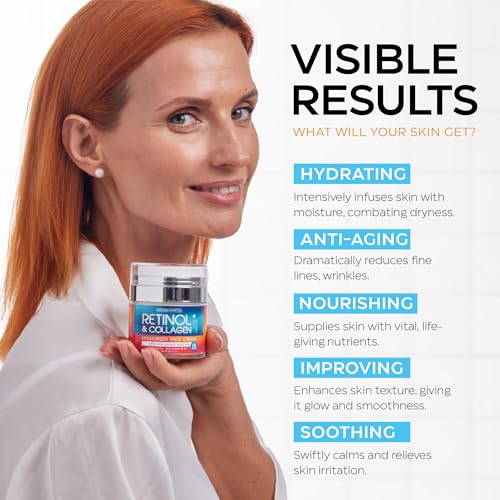


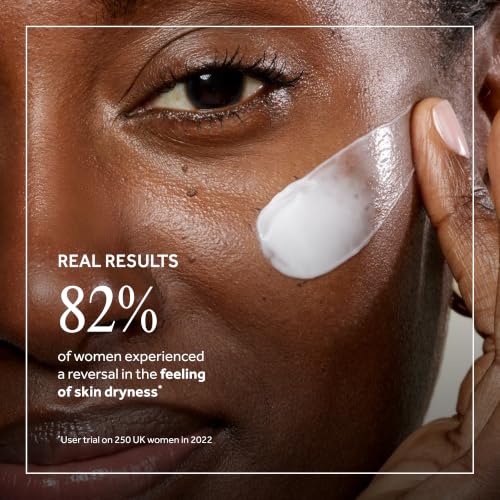

We also considered 10 others:


Our Top Choice
The order above is not editorial opinion, and it is not paid placement. It comes from what shoppers across our network actually do - which face creams they compare, and which they ultimately buy. We re-rank as new data comes in, so the long-term favorites have to keep earning their spot against new entrants. The full method, including how we make money.
Face Creams Buyer's Guide
Buying a face cream is a balance between enough richness to repair dry, irritated skin and enough elegance that it does not feel greasy, sticky, or clogging on the face. The sharpest concerns in this category are barrier support for dryness or retinoid stress, and sensitivity fit for skin that reacts to fragrance, heavy residue, or irritating extras.
Barrier Hydration
Face creams differ most in how well they prevent water loss after the initial soft feel fades. Dry, compromised, or retinoid-treated skin often needs both hydration and barrier support, not just a pleasant texture. A cream that cannot maintain comfort for hours can leave skin tight, flaky, or reactive even if it feels good during application.
For a face cream meant to handle real dryness, prioritize a barrier-style formula: humectants to pull in water, emollients to smooth roughness, and occlusives or barrier lipids to slow water loss. This matters most if you have flaking, winter tightness, itchy rough patches, or irritation from retinoids; a gel or very thin lotion may feel nice at first but can fail by midday. Look for claims around long-lasting moisture and barrier support, and avoid formulas that feel watery if your main issue is persistent dry spots. Owner feedback strongly centers on heavy-duty hydration: shoppers repeatedly praised rich creams for very dry, itchy, rough, winter-dry, and retinoid-irritated skin, with many saying skin stayed soft, smooth, plump, or flake-free through the day or overnight.
Sensitive Fit
A face cream stays on the skin for hours, so small irritants can matter more than they would in a rinse-off product. Sensitive and eczema-prone skin often needs bland consistency more than trendy active ingredients. Compatibility also depends on whether the formula supports the skin barrier without adding scent or harshness.
If your skin stings easily, breaks out, has eczema tendencies, or is recovering from actives, start with fragrance-free, essential-oil-free, low-irritant creams and patch test before using all over the face. Avoid moisturizers that combine heavy perfume, exfoliating acids, retinoids, or strong botanical scent blends when your goal is barrier repair; those extras can turn a basic cream into a trigger. Breakout-prone shoppers should also watch for a too-occlusive feel and choose formulas described as non-clogging or compatible with facial use. Owner sentiment backs this priority: fragrance-free formulas were repeatedly valued by sensitive-skin buyers, and many with eczema-prone, extra-sensitive, breakout-prone, or retinoid-using skin reported good tolerance without stinging, pore-clogging, or irritation.
Finish
A face cream can moisturize well but still be hard to live with if it feels greasy, tacky, or heavy. Absorption affects comfort, shine, makeup wear, sunscreen layering, and whether users apply enough product consistently. The best match balances moisture retention with a finish you can tolerate every day.
Choose the finish around when and where you will wear the cream: daytime facial use usually needs fast absorption, low shine, and no sticky residue so sunscreen or makeup can layer without slipping. Nighttime or severe-dryness use can be richer, but it should still settle rather than remain oily on pillows, glasses, or hairline. Be cautious with creams that promise extreme richness but leave a greasy film, especially if you are acne-prone or dislike shine. Owners repeatedly highlighted this separator: many liked creams that absorbed quickly, avoided sticky or greasy residue, and left skin soft, healthy-looking, or plump rather than oily.
Texture
Texture controls how easily a cream can be applied to delicate facial skin. A formula that is too thin may not protect dry patches, while one that is too dense can tug, pill, or encourage overapplication. The right consistency helps users apply enough product without discomfort or waste.
Look for a texture that matches your skin condition: thick enough to cushion dry areas, but smooth enough to spread without tugging over irritated cheeks, around the nose, or under the eyes. A good facial cream should rub in evenly, allow controlled dosing, and not pill when layered over serums or under sunscreen. Very dense creams can be useful for spot sealing, but if they drag, ball up, or require too much rubbing, they can aggravate already sensitive skin. Owner feedback consistently favored creamy, rich, nourishing textures that spread smoothly, felt protective, and avoided the heavy feel that often makes people abandon face creams.
Use Economy
Face cream value depends on frequency, amount used per application, and whether the formula can serve multiple dry areas. A rich cream may be economical if it spreads well and maintains hydration with a small dose. However, value drops quickly if the format is too small for heavy use or if the formula does not suit your skin.
Judge value by usable applications, not just container size: a concentrated cream that needs only a small amount may last longer than a thinner formula used by the handful. If you plan to use it on face plus hands, neck, or body dry patches, larger formats can make sense; if you only use it on the face or are testing sensitivity, a smaller amount reduces the risk of being stuck with an incompatible cream. Also consider whether the texture is pleasant enough that you will actually finish it, because a disliked greasy or scented cream has poor real-world value. Owner sentiment was mostly positive but not uniform: many felt larger amounts, multi-packs, and “a little goes a long way” usage made creams feel worthwhile, while others found smaller jars or mixed scent impressions less convincing.
1,000,000+ shoppers use Buyer's Guide every week to find the best products and services online.

Helping millions of users make smarter purchases online.


