












We also considered 10 others:


Our Top Choice
The order above is not editorial opinion, and it is not paid placement. It comes from what shoppers across our network actually do - which face creams for aging skin they compare, and which they ultimately buy. We re-rank as new data comes in, so the long-term favorites have to keep earning their spot against new entrants. The full method, including how we make money.
Face Creams for Aging Skin Buyer's Guide
Face creams for aging skin have to balance two jobs that often fight each other: enough moisture and barrier support to soften dryness and crepiness, without a heavy film that pills, shines, or feels greasy. The sharpest concerns are whether the formula can be used consistently around aging-skin needs—dullness, fine lines, sensitivity, and nighttime repair—without irritation or an unpleasant texture.
Barrier Hydration
Hydration is not just a comfort feature in this category; it changes how aging skin looks and feels day to day. A cream that supports the moisture barrier can make skin feel smoother, look less dull, and tolerate active ingredients better.
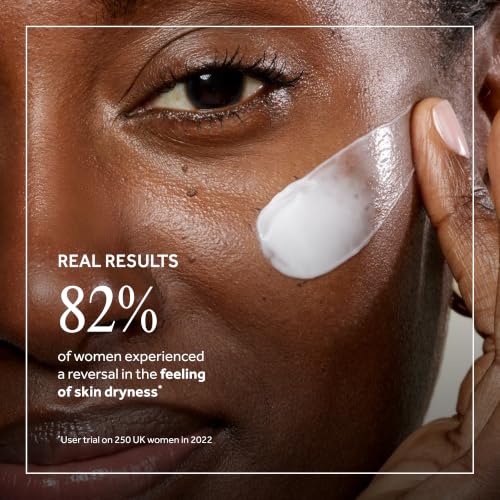
Prioritize a cream that combines humectants such as glycerin or hyaluronic acid with barrier-supporting emollients and lipids such as ceramides, fatty acids, or squalane. Aging skin is often drier and less resilient, so a good cream should reduce tightness and make fine lines look less pronounced from hydration, even if deeper wrinkle changes require longer-term actives. Owner feedback strongly favors formulas that leave skin moisturized, smooth, and well hydrated, with some users also noticing a brighter, smoother, more plump look over time while wrinkle results are harder to judge quickly.
Weight & Absorb
Texture determines whether a face cream actually gets used every day. Aging-skin routines often include sunscreen, serums, or nighttime treatments, so a cream that sits heavily or pills can disrupt the whole routine.
Look for a texture that glides without tugging, absorbs within a few minutes, and leaves enough cushion without a slick or sticky residue. For daytime use, it should sit cleanly under sunscreen and makeup; for nighttime use, it should not transfer heavily to pillows or feel occlusive unless very dry skin needs that. Owner sentiment repeatedly supports thinner, lightweight textures that spread easily, absorb quickly, and feel soft or comfortable rather than greasy, sticky, or heavy.
Aging Actives
An anti-aging cream should do more than moisturize, but stronger is not always better. The best formula is one whose active ingredients fit the user’s goals and tolerance level without compromising the skin barrier.
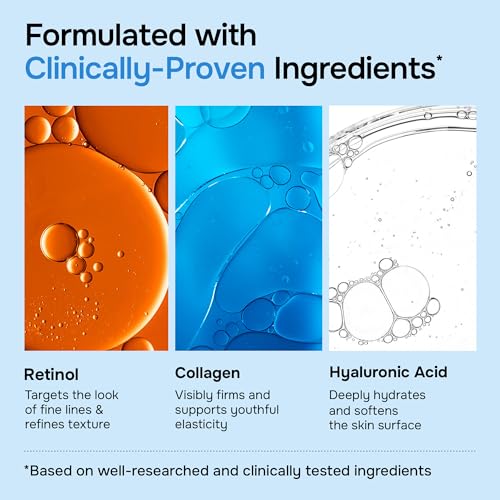
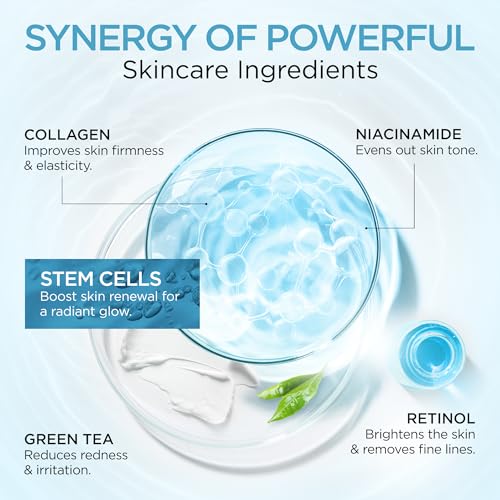
Match the active ingredients to the aging concern: vitamin C or niacinamide for dullness and uneven tone, peptides for support, retinoids for lines and texture at night, and gentle exfoliating acids only if the skin can tolerate them. Avoid stacking several strong actives in one routine at first, and be cautious with formulas that pair potent actives with fragrance or exfoliants if your barrier is already dry. Owner reports suggest visible improvements like brightness, smoothness, and plumpness are realistic early wins, while wrinkle changes may take longer and irritation can occur when too much is applied.
Sensitivity Risk
Aging skin can be drier and more easily irritated, especially when active ingredients are part of the routine. A cream that feels pleasant for one person may sting another, so sensitivity screening matters as much as advertised benefits.
If your skin is reactive, rosacea-prone, eczema-prone, or already using retinoids or exfoliating acids, favor fragrance-free formulas and patch test before applying to the full face. Use a modest amount at first, because over-application can increase stinging, itchiness, and pilling without improving results. Owner experiences with sensitivity are mixed: some users report no irritation, while others notice slight stinging or itchiness when they apply too much; fragrance is often described as mild, fresh, calming, or pleasant, but scent remains a personal tolerance issue.
Routine Value
Consistency is one of the biggest separators in this category. Even a well-formulated cream underperforms if the texture, cost, or application experience makes it hard to keep using.
Choose a cream you can apply consistently in the right amount, because aging-skin benefits depend on routine use over weeks and months rather than occasional application. A good value pick is not just lower cost; it should hydrate well, absorb reliably, and fit morning or night use without discouraging reapplication. Owner feedback highlights value as a major advantage when a cream becomes an affordable staple, and the same products earn repeat-use confidence when they also apply smoothly, absorb quickly, and moisturize dependably.
1,000,000+ shoppers use Buyer's Guide every week to find the best products and services online.

Helping millions of users make smarter purchases online.


