





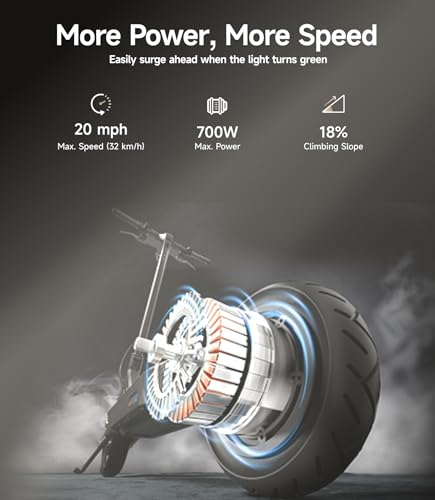


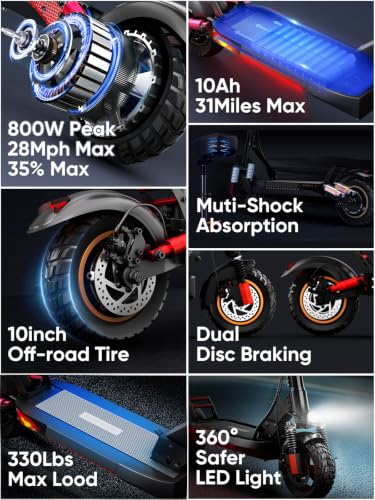


We also considered 10 others:


Our Top Choice
Compare Features


The order above is not editorial opinion, and it is not paid placement. It comes from what shoppers across our network actually do - which electric scooters for heavy adults they compare, and which they ultimately buy. We re-rank as new data comes in, so the long-term favorites have to keep earning their spot against new entrants. The full method, including how we make money.
Electric Scooters for Heavy Adults Buyer's Guide
Electric scooters for heavy adults have to balance speed and range against frame stiffness, braking distance, motor torque, and battery stress under higher load. The sharpest buying risks are trusting optimistic specs—especially weight capacity, range, and top speed—without checking whether the scooter’s structure, brakes, tires, and battery can handle your real route and rider weight.
Build
Build quality matters because your scooter needs to handle repeated folding, road vibration, bumps, and weather exposure without feeling loose or fragile. Look for a sturdy frame, solid stem and deck, clean welds or joints, secure latches, and materials that feel rigid rather than flimsy. Watch out for rattles, excessive flex, weak folding mechanisms, or cheap-feeling controls, since those can affect both durability and your confidence while riding.
For heavy adults, start with the actual load path: choose a scooter whose stated max load comfortably exceeds your body weight plus bag/gear, and inspect for a wide reinforced deck, rigid stem, strong folding latch, metal fenders/brackets, and minimal handlebar wobble. Avoid models that advertise high weight capacity but pair it with a narrow deck, thin stem, tiny tires, or vague frame materials, because flex and latch wear show up faster under higher rider loads. Owner feedback supports prioritizing sturdy construction: buyers often describe these scooters as well-made, stable, easy to set up, and solid out of the box, with suspension and shock absorption helping them feel comfortable over bumps and pavement cracks.
Speed
Speed affects how confidently you can keep up with traffic, merge through bike lanes, and handle stop-and-go riding, while acceleration and motor power matter just as much as the listed top speed. Look for performance that fits your commute, rider weight, and local speed limits, and pay close attention to hill climbing ability if your route includes inclines. Be wary of headline top-speed claims that may depend on ideal conditions, since real-world performance can drop with low battery, heavier loads, rough pavement, or steep hills.
Do not buy by top-speed claims alone; for a heavier rider, usable torque matters more than an unloaded maximum speed. Look for enough motor power for your weight, hill grade, and stop-and-go starts, and make sure the scooter has braking hardware that matches its speed—dual braking, responsive brake feel, and tires/suspension that stay composed near commuter speeds. Be cautious with scooters that claim high speeds but give little detail on motor output, hill performance, or braking, since heavier riders can see slower launches, lower hill speed, and longer stopping distances. Owner reports back up the appeal of stronger setups: riders praise responsive acceleration, hill climbing, torque, and speeds in the mid-to-high 20 mph range or near 30 mph on some fully charged rides, while still describing the speed as manageable for commuting and fun riding.
Ride
Ride quality determines how comfortable and confident you feel on an electric scooter, especially over uneven pavement, turns, and longer trips. Look for stable handling, predictable controls, tires or wheels suited to your surfaces, and suspension or deck design that reduces vibration; watch out for scooters that feel twitchy, harsh, or cramped. If the scooter has a seat, make sure it supports your posture without making steering or balance feel awkward.
For a heavy adult, ride comfort is also a control and safety issue: prioritize larger tires, real suspension or shock absorption, a long/wide deck for stance changes, and handlebars that fit your height without forcing a cramped posture. Pneumatic tires and suspension generally smooth rough pavement better, while solid tires reduce flats but can transmit more shock unless the scooter has good suspension; avoid small-wheel, no-suspension designs if your route includes cracks, speed bumps, brick, or uneven sidewalks. Owner sentiment supports this focus, with riders repeatedly describing comfortable, stable, city-ready rides helped by suspension, shock absorption, solid or pneumatic tires, and strong brakes over uneven roads and everyday bumps.
Battery
Battery life and range determine whether your scooter can handle your typical trips without leaving you looking for an outlet. Look for a realistic per-charge range that comfortably exceeds your commute or errands, and remember that rider weight, hills, speed, temperature, and tire pressure can reduce the distance you actually get. If you plan longer rides, prioritize a larger battery and factor in charging time so the scooter is ready when you need it.
For heavier riders, treat advertised range as a best-case figure and compare battery capacity, not just miles claimed; rider weight, hills, speed mode, cold weather, and frequent acceleration can cut range sharply. Look for enough battery headroom for the round trip plus a reserve, a clear charge indicator, multiple speed modes to manage drain, and charging hardware with credible safety protections; avoid buying a scooter that barely meets your commute on paper. Owner feedback supports battery life as a frequent strength, with many riders saying they get repeated rides, errands, or daily commuting without charging constantly, but reports also note that real range depends heavily on riding mode and rider size.
Value
Value matters because an electric scooter can look affordable upfront but cost more over time if the range, build quality, battery life, or parts availability do not match your needs. Look for a fair balance of price, performance, durability, and warranty support, and be cautious of very cheap options that cut corners on braking, tires, or water resistance.
The best value for heavy adults is not the cheapest scooter with the biggest speed or range number; it is the one that includes the load rating, motor torque, brakes, suspension, deck size, tires, and service support needed to stay safe and comfortable under higher load. Give more weight to replaceable tires/brake parts, clear warranty terms, spare-parts availability, and assembly quality than to flashy app features or optimistic range claims. Owner sentiment aligns with this practical definition of value: many buyers describe these scooters as strong commuter buys, sturdy and comfortable for the money, easy to assemble, smooth in acceleration, and useful for daily trips or short errands.
Reliability
You want an electric scooter that starts, brakes, and rides consistently every time, because reliability affects both convenience and safety once you’re using it regularly. Look for signs of durable construction, weather-resistant components, stable battery performance, and owner feedback that points to few recurring issues over time. Watch out for scooters with frequent complaints about loose parts, sudden power loss, brake problems, or electronics that fail after normal use.
Heavy riders should scrutinize long-term weak points before buying: folding latch play, stem bolts, brake adjustment, controller overheating on hills, battery/charger failures, light wiring, tire wear, and water exposure around the deck and connectors. Choose a scooter with accessible fasteners, replaceable wear parts, clear troubleshooting support, and a return/warranty path, and avoid designs with sealed mystery components or no parts ecosystem. Owner sentiment is encouraging but not uniform: many riders report reliable, stable daily commuting with smooth motor pull and good performance over small bumps, while mixed feedback flags shorter-than-expected range, early power issues, loose parts, light failures, charging problems, faster drain, and durability concerns over time.
1,000,000+ shoppers use Buyer's Guide every week to find the best products and services online.

Helping millions of users make smarter purchases online.


