



















We also considered 10 others:


Our Top Choice
Compare Features


The order above is not editorial opinion, and it is not paid placement. It comes from what shoppers across our network actually do - which electric logs they compare, and which they ultimately buy. We re-rank as new data comes in, so the long-term favorites have to keep earning their spot against new entrants. The full method, including how we make money.
Electric Logs Buyer's Guide
Electric logs are mainly a way to turn an unused hearth into a clean, switch-on fireplace, so the key tradeoff is visual realism versus true heat performance. The sharpest checks are whether the log set physically fits your firebox with safe cord routing, and whether its heater/noise level suits a room where you may want ambiance for hours.
Flame
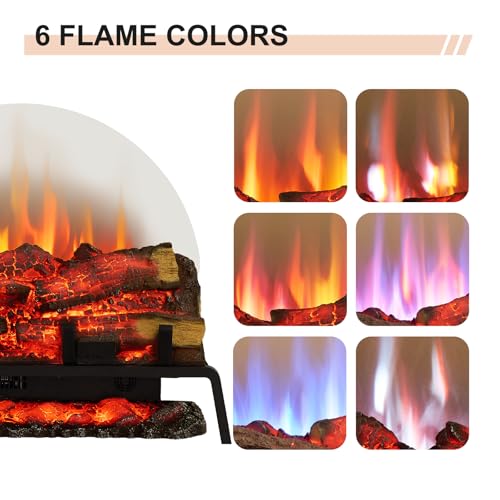
The flame is what you’ll look at most, so realism and visual quality matter as much as heat output if the fireplace will be a focal point. Look for natural movement, adjustable brightness, and flame color options that fit your room’s mood, and be wary of effects that look flat, repetitive, or overly artificial once viewed in normal lighting.
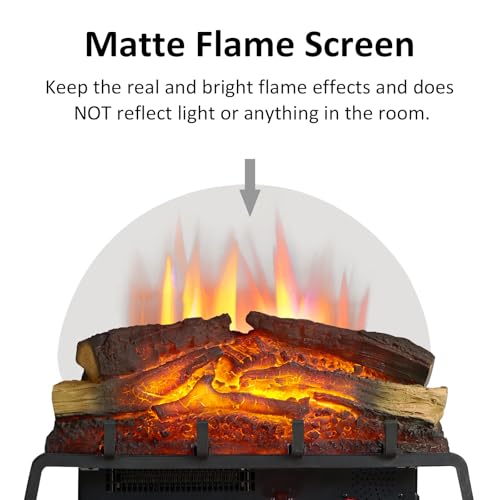
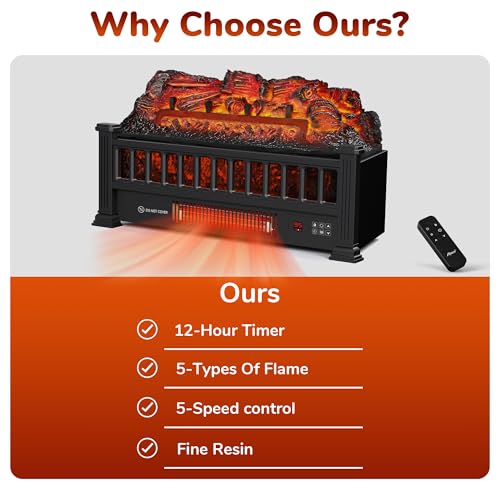
For electric logs, judge the flame effect specifically inside your existing firebox: look for ember-bed glow, log illumination, adjustable brightness, and a projection pattern that will not look flat against your back wall. If your hearth is deep, dark, or high-sided, avoid models with weak front-only lighting; if you use the fireplace in daytime, prioritize multiple brightness levels and flame-only operation. Owner feedback strongly supports this focus: buyers often praise flickering flames, smoldering embers, glowing logs, color choices, and the ability to create fireplace ambiance without smoke or mess.
Heat
You want a fireplace that produces enough heat for the space you plan to use it in, whether that means taking the chill off a small room or serving as a supplemental heat source in a larger area. Look for clear heat output ratings, effective heat distribution, and adjustable heat settings so you can stay comfortable without overheating the room. Watch out for fireplaces that look substantial but provide limited warmth, especially if ambiance is not your only priority.
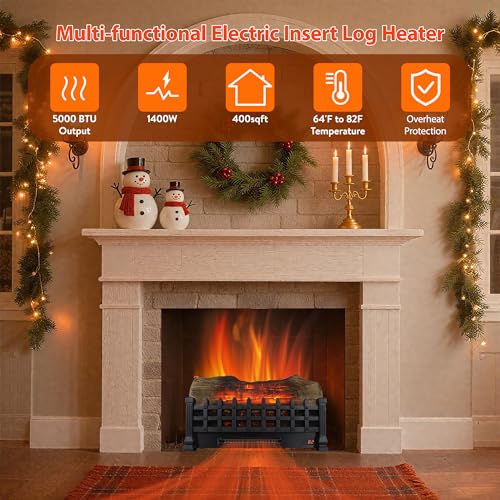
Buy electric logs as supplemental room heat, not as a replacement for central heat or a real wood/gas fireplace. Check the stated room-size guidance, high/low heat settings, thermostat or adjustable temperature, timer, and overheat shutoff; also confirm the heater can run independently from the flame so you can use ambiance year-round. Owners generally report that these units take the chill off rooms, warm quickly, and provide useful low/high heat, while many also appreciate being able to run the flame effect without heat.
Design
Your fireplace often becomes a focal point, so its appearance should fit the room’s architecture, furnishings, and overall mood rather than feel like an afterthought. Look for proportions, materials, flame presentation, and surround details that create the ambiance you want, and watch out for styles that may overpower a small space or clash with your existing decor.
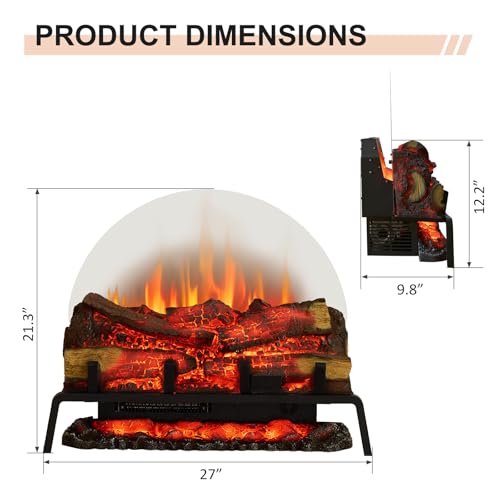
Measure the firebox before buying: width at the front and back, height, depth, raised lips, screens, doors, and where the cord will exit without being pinched or visibly draped across the hearth. For a convincing unused-fireplace conversion, favor a log set with a full-looking grate, ember bed, and log arrangement sized to fill the opening without crowding it; avoid a set so small that it looks like a prop in a large masonry fireplace. Owner sentiment reinforces that design is a major reason people buy electric logs, with many saying they make an unused hearth look cozy, inviting, and much closer to a real fireplace alternative.
Operation
How a fireplace operates affects how often you’ll actually use it, from simple ignition and heat adjustment to flame settings, timers, and safety shutoff behavior. Look for controls that feel intuitive, whether on the unit, a wall switch, or a remote control, and watch out for setups that require awkward access, confusing menus, or too many steps for everyday use.
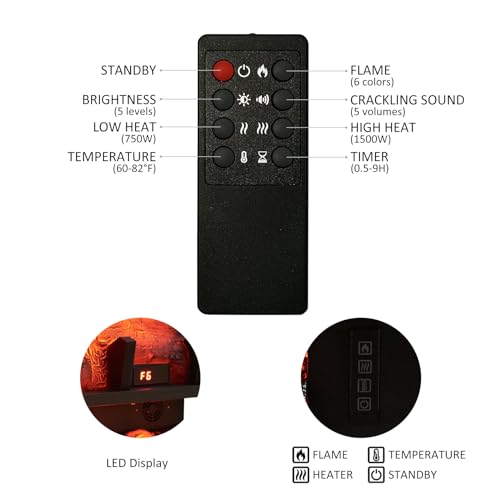
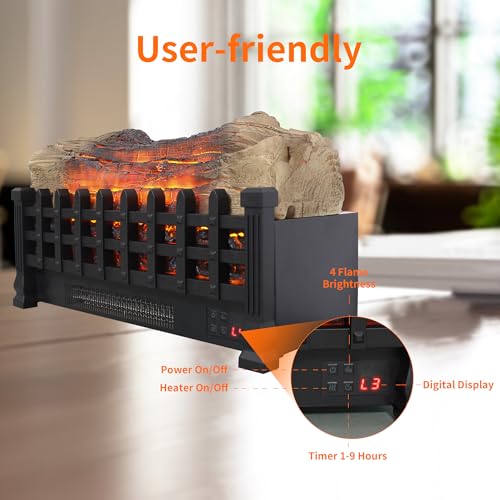
Prioritize controls you can use from the seating area: remote operation, separate flame/heat controls, timer, thermostat, flame brightness, flicker speed, and ember settings. In an existing hearth, also check whether the main buttons remain reachable after placement and whether the unit is truly plug-and-play for a standard household outlet rather than requiring hardwiring or awkward installation. Owners commonly praise straightforward setup, simple plug-in use, dependable day-to-day function, remote controls, timers, adjustable flame effects, and heat-only or ambiance-only flexibility.
Build
Build quality matters because a fireplace needs to feel stable, well-fitted, and durable enough to handle regular use without rattling, warping, or showing early wear. Look for sturdy materials, clean seams, secure doors or panels, and controls that feel solid, and be cautious of flimsy housings, uneven finishes, or parts that shift when touched.
For this category, build quality is about stability in the firebox as much as finish: the grate should sit level, the log/ember pieces should not feel easy to knock loose, and the cord should be heavy enough and positioned safely away from heater exhaust. If you are placing the logs in a former wood-burning fireplace, clear ash and debris first, do not use them with an active fire, and make sure the unit feels secure behind any screen or doors you keep open during operation. Owners tend to describe setup as low-hassle, often mostly assembled or quick to place, and many feel the overall construction is solid for a cleaner electric replacement.
Noise
Noise matters because a fireplace often runs while you’re relaxing, watching TV, or sleeping nearby, so fan hum, clicks, or blower vibration can quickly become distracting. Look for models with adjustable or quiet fan settings, and watch out for units where the heat output relies on a loud blower or where users report noticeable rattling, buzzing, or cycling sounds during normal operation.
If the fireplace is in a bedroom, reading room, or TV area, treat noise as a deciding factor: distinguish flame-effect motor sound, optional crackle audio, and heater blower hum. Look for separate sound controls or the ability to turn crackle effects off, and expect the unit to be quietest in flame-only mode while the heater may add fan noise or vibration. Owner feedback is mixed here: many find the operation soft or barely audible, but some noise-sensitive buyers report blower hum, vibration, or crackling effects that are too prominent.
1,000,000+ shoppers use Buyer's Guide every week to find the best products and services online.

Helping millions of users make smarter purchases online.


