










We also considered 10 others:


Our Top Choice
Compare Features


The order above is not editorial opinion, and it is not paid placement. It comes from what shoppers across our network actually do - which electric dough makers they compare, and which they ultimately buy. We re-rank as new data comes in, so the long-term favorites have to keep earning their spot against new entrants. The full method, including how we make money.
Electric Dough Makers Buyer's Guide
Electric dough makers sit in the middle ground between hand kneading, stand mixers, and full bread machines: they can save real effort on mixing and rising, but they still need enough strength, capacity, and recipe control for actual bread dough. The sharpest buying concerns are whether the machine can handle dense or larger batches without babysitting, and whether its proofing, noise, and cleanup fit regular kitchen use.
Batch Capacity
Electric dough makers are most useful when the bowl size matches your baking rhythm. Too little capacity forces split batches, while too much unused bowl space can make small doughs harder for the kneading arm to catch and combine evenly.
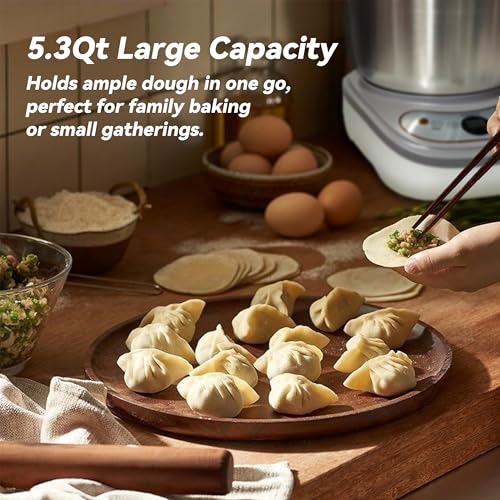
Start by matching the bowl size to the dough you actually make: a casual loaf baker can use a smaller bowl, but frequent bread bakers should look for enough usable capacity for double batches without dough climbing the spindle or crowding the lid. Check both flour capacity and finished dough capacity, because wet sandwich dough, enriched brioche, and stiff bagel dough load the machine differently. Owner feedback supports this: buyers especially valued machines that gave frequent bread bakers room for larger batches and solved the limits they hit with smaller stand mixers.
Kneading Strength
The core job is gluten development, not just stirring ingredients together. A weak or poorly shaped kneading system can leave dry pockets, overwork one section of dough, or struggle with stiff formulas that a careful bread baker makes often.
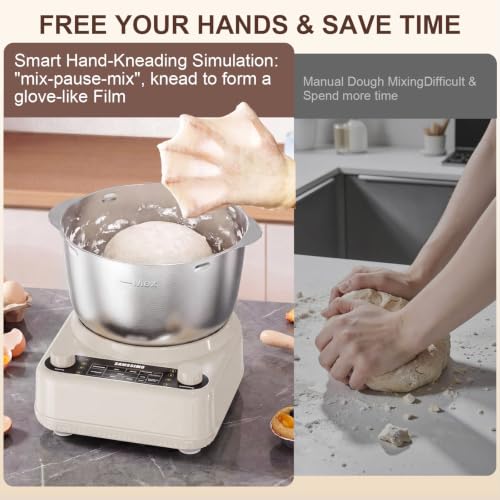
Prioritize kneading geometry and torque over flashy settings: the machine should pull dough from the bowl edges, fold it consistently, and keep moving through sticky, enriched, or low-hydration dough without smearing or stalling. For this category, dense dough matters more than cake-batter-style mixing, so shoppers making bagels, pizza, fresh-milled flour bread, buns, tortillas, or brioche should look for strong dough-specific paddles or kneading arms and a bowl shape that prevents dead zones. Owners repeatedly praised strong mixing performance, including properly combined dough and good results with sourdough, brioche, buns, pizza dough, pie crusts, fresh-milled flour, bagel dough, biscuits, and other frequent baking projects, though some noted kneading may still require process adjustments.
Proofing Control
Temperature and timing shape dough flavor, rise speed, and texture. A built-in proofing function can reduce bowl transfers and make routine bread days simpler, but it should still give enough control for slower or more sensitive doughs.
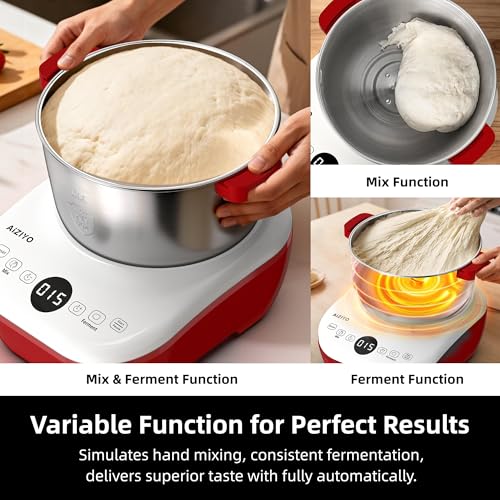
If you bake yeasted or sourdough-style dough often, look for an integrated ferment or proof mode with controlled warmth and enough time flexibility for your recipes. The best fit is a machine that can mix and then hold the dough for its rise without transferring bowls, while still letting you stop early, extend the rise, or avoid heat for formulas that need cooler fermentation. Owners called the built-in fermenting/proofing function a major advantage because it combines mixing and rising in one machine, and they liked mix-and-rise operation that made bread prep feel easier once ingredients were loaded.
Workflow Control
Electric dough makers reduce effort, but they do not remove judgment from every recipe. Clear controls and flexible timing help both beginners and experienced bakers avoid being trapped by a preset that does not match the dough in the bowl.
Choose controls that fit how hands-off you expect the process to be: simple mix, knead, and ferment buttons are ideal for routine loaves, but serious bakers still need manual time control and the ability to intervene. Avoid assuming every dough maker behaves like a full bread machine; with some recipes you may need to adjust hydration, add flour gradually, scrape the bowl, or restart a knead cycle to get the texture right. Owner sentiment was strong on easy setup and practical regular use, with several buyers describing near set-it-and-let-it-work convenience, but there was also a caution that kneading can need more recipe adjustment and hands-on management than a full bread machine.
Countertop Manners
A dough maker is not just used for a few seconds; it may knead, pause, and proof while sitting in your kitchen. Stability, cleanup, and sound level determine whether it becomes a regular tool or something you avoid using.
For a machine that may run through kneading and proofing cycles on the counter, check for a stable base, non-slip feet, a bowl that locks securely, and removable parts that can be cleaned without digging dough out of seams. Stop-start kneading can be more noticeable than a steady motor hum, so consider where it will sit if you bake early, late, or in an open kitchen. Owners liked machines that stayed put while mixing, felt sturdy, cleaned up easily, looked nice on the counter, and were pleasant for day-to-day baking, but noise was mixed: some found it acceptable or barely noticeable, while others found the intermittent mixing a little noisy.
Dedicated Value
The right value question is not simply whether the machine is inexpensive, but whether it replaces enough hand kneading and bowl management to justify its space. Frequent dough makers benefit most because the appliance is specialized around repetitive bread-prep labor.
Decide whether you need a dedicated dough-prep appliance rather than a general stand mixer or a full bread machine. It earns its keep when you make bread, pizza, buns, tortillas, or pastry dough often and want kneading and proofing help without paying for power or features you will not use; it is less compelling if you only bake occasionally or need one machine to mix batters, whip, grind, and bake. Owners framed good value around time and effort saved, especially for frequent bread-making, and some felt a dedicated dough maker was worthwhile because it handled the job better than a smaller stand mixer for their needs.
1,000,000+ shoppers use Buyer's Guide every week to find the best products and services online.

Helping millions of users make smarter purchases online.


