




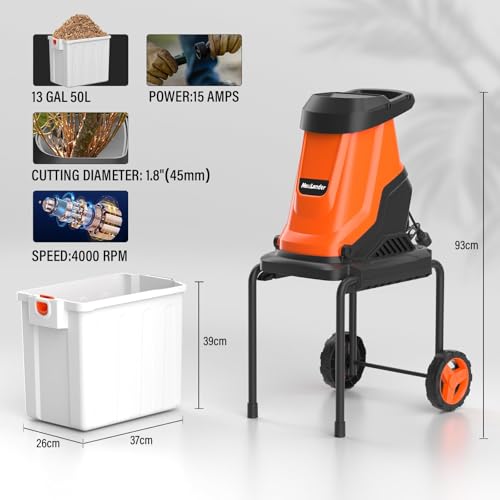








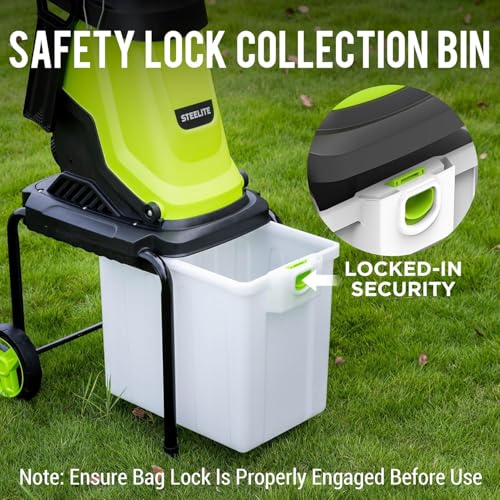


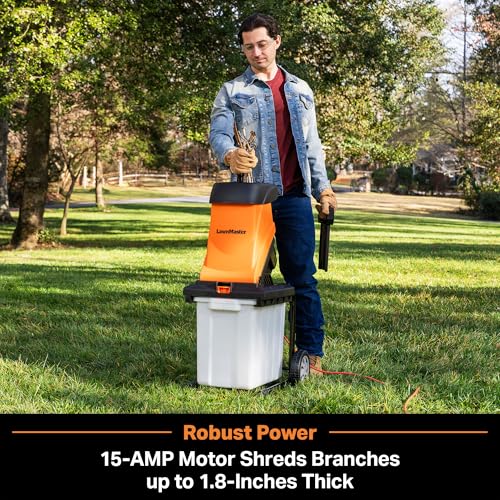


We also considered 10 others:


Our Top Choice
The order above is not editorial opinion, and it is not paid placement. It comes from what shoppers across our network actually do - which electric chippers they compare, and which they ultimately buy. We re-rank as new data comes in, so the long-term favorites have to keep earning their spot against new entrants. The full method, including how we make money.
Electric Chippers Buyer's Guide
Electric chippers sit in the middle ground between hand cleanup and heavy gas or rental machines: they are appealing for small-branch yard waste, but only if their capacity matches the debris you actually produce. The key concerns are whether they can chip green limbs without constant jams, stay stable and safe during feeding, and remain easy enough to move, store, and use after routine pruning.
Chipping Power
Electric chippers are best judged by whether they can keep cutting cleanly through the kind of yard waste a homeowner actually has. A good match turns routine pruning debris into usable mulch without bogging down, while an overmatched machine will stall, jam, or require constant pre-cutting.
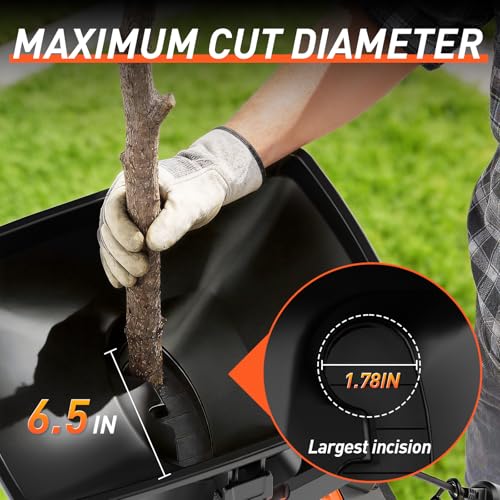
Match the chipper to light residential cleanup: small branches, pruned limbs, and leafy green material rather than large logs, root balls, vines, or construction wood. Look for a clearly stated maximum branch diameter, but treat that number as an upper limit for straight, dry pieces; forked, wet, fibrous, or leafy limbs often need trimming and slower feeding. Owner feedback supports this focus: buyers describe electric chippers as small-but-powerful tools for backyard branches and green limbs, and capable small-branch machines that turn wood into garden-ready chips.
Feed & Chips
Feed behavior determines whether chipping feels steady or frustrating. Even a powerful motor can disappoint if the chute shape, cutting mechanism, or discharge path causes frequent jams and stop-start work.
Prioritize a chute that guides branches securely without inviting hands near the cutters, a discharge that does not clog easily, and a chip size suitable for mulch, compost paths, or garden beds. Avoid expecting an electric chipper to self-feed like a large gas unit; careful shoppers should plan to feed straight pieces butt-end first, remove side shoots, and keep a pusher or safe tool handy for leafy material. Owner sentiment points in the same direction: users value models that feed well, make garden-ready chips, and allow occasional jams to be cleared without much hassle.
Build Quality
Electric chippers often appeal because they are smaller and easier to live with than rental or gas machines. The tradeoff is that the machine still needs enough stability and frame strength to manage vibration, repeated branch impacts, and yard movement.
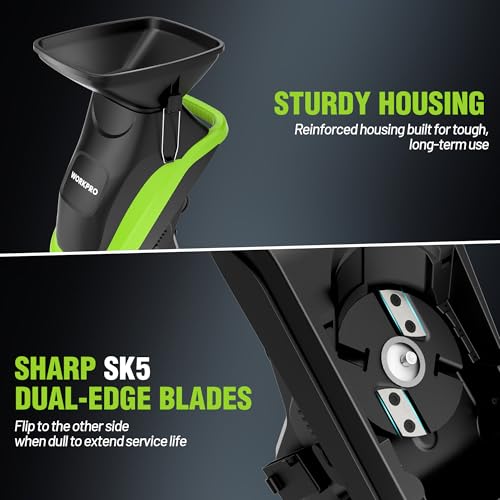
Look for a rigid frame, stable stance, protected motor housing, durable wheels, and a hopper that does not flex excessively when branches are guided in. For safety and longevity, avoid flimsy-feeling units that wobble, expose fasteners to vibration, or make blade access awkward, because chippers experience repeated shock loads even in light-duty use. Owner reports favor compact machines that still feel sturdy, with quality good enough for typical homeowner cleanup.
Ease of Use
A chipper that is easy to assemble, move, and reset is more likely to be used after every pruning session instead of sitting in storage. This matters especially for electric models, which are often bought for quick cleanup rather than all-day land clearing.
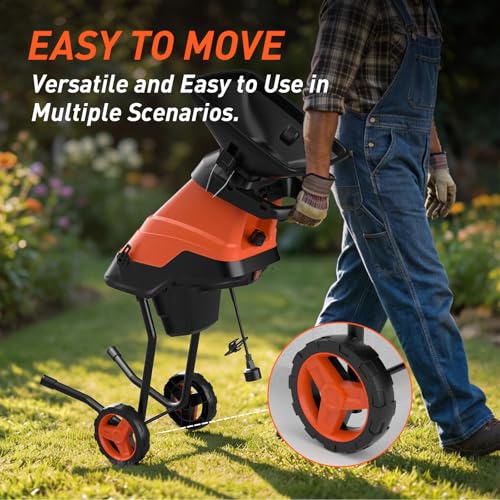
Choose a machine with simple assembly, reachable controls, clear overload-reset access, tool-free or straightforward blade/jam access, and wheels or handles that suit the surfaces in your yard. Compact storage matters: check the footprint, chute height, collection-bag attachment, and whether it fits through gates or into a shed without awkward lifting. Owners consistently praise quick setup, easy movement around the yard, straightforward jam clearing, compact size, and practical collection bags.
Homeowner Value
Electric chippers are bought against two alternatives: paying for rental equipment or hauling yard waste away. The best value comes when the machine’s capacity fits repeated light cleanup, not when it is asked to replace a heavy-duty chipper.
Judge value by how often you prune, how much small-branch debris you create, and whether the chipper can reduce disposal trips or rental needs without stepping outside its light-duty role. A good electric chipper is a strong buy for routine residential branches and garden mulch; it is poor value if you need to process thick hardwood, storm debris, or commercial volumes. Owner sentiment strongly supports this value case, with buyers calling the performance a strong deal and a practical alternative to renting for lighter yard cleanup.
1,000,000+ shoppers use Buyer's Guide every week to find the best products and services online.

Helping millions of users make smarter purchases online.


