















We also considered 10 others:


Our Top Choice
The order above is not editorial opinion, and it is not paid placement. It comes from what shoppers across our network actually do - which chipper shredder mulchers they compare, and which they ultimately buy. We re-rank as new data comes in, so the long-term favorites have to keep earning their spot against new entrants. The full method, including how we make money.
Chipper Shredder Mulchers Buyer's Guide
Chipper shredder mulchers sit between two competing needs: enough cutting power to turn branches and prunings into usable mulch, but enough restraint to stay safe, portable, and reliable for homeowner cleanup. The sharpest buying concerns are capacity discipline and jam management, because compact machines can perform very well on routine yard waste yet wear quickly when forced through oversized or awkward material.
Capacity Fit
Chipper shredder mulchers are highly sensitive to what goes into the hopper. A machine that feels excellent on routine prunings can struggle badly if it is fed material beyond its cutter size, shape, or motor load.
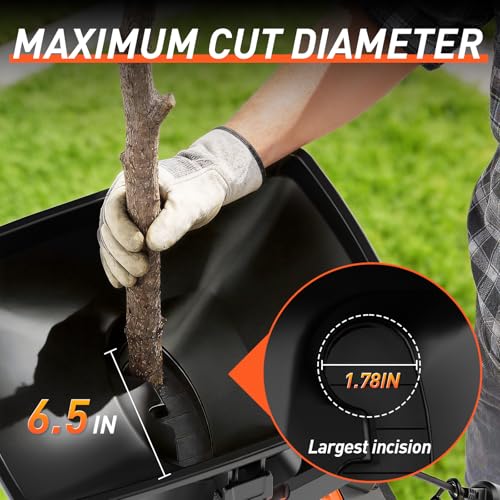
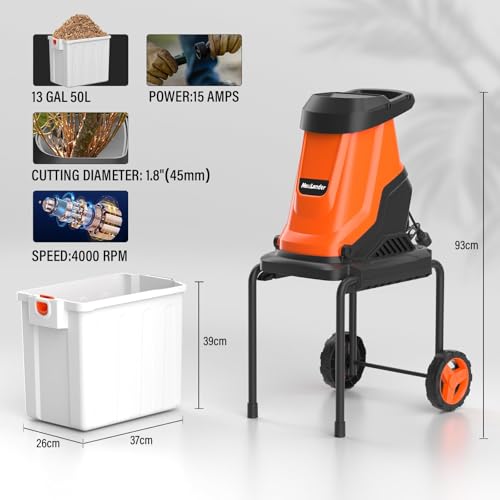
Choose capacity based on the material you actually generate, not just the advertised maximum diameter. For a small residential machine, the practical sweet spot is routine pruning waste: straight branches, sticks, green limbs, vines, and trimmed garden growth; thick hardwood, forked branches, and awkward bends should be cut down first or handled by a heavier machine. Look for a clear rated branch diameter, a feed chute that discourages hands from reaching the cutters, and guidance on green versus dry material, because overfeeding is the fastest path to jams, blade damage, motor strain, and disappointing throughput. Owner sentiment strongly supports this limit-aware approach: buyers describe these machines as reliable homeowner tools for routine branches and prunings, and as small-but-powerful yard cleanup tools for backyard branches and green limbs. The caution is just as clear: oversized or awkward branches can create jams and faster wear, so long-term durability depends on staying within the machine’s limits.
Mulch Quality
The value of a chipper shredder mulcher is not only that it eats yard waste, but what it leaves behind. Better output reduces disposal trips and gives you material that can be reused around beds, trees, paths, or compost piles.
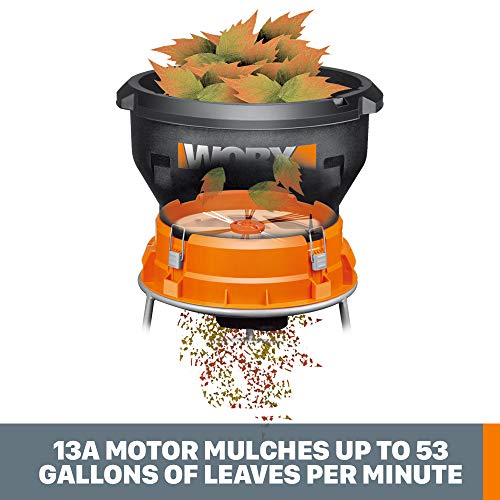
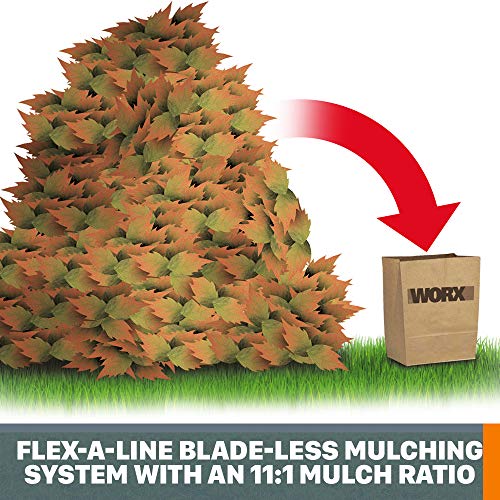
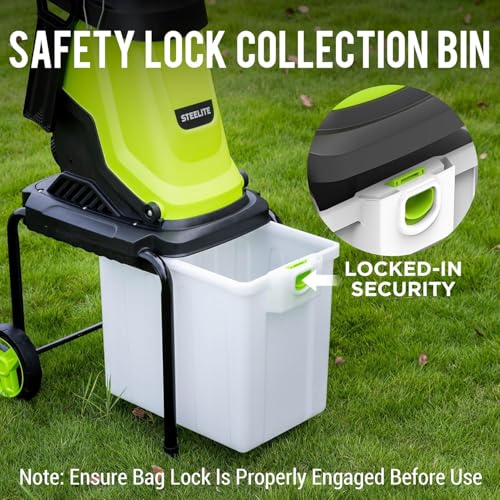
Prioritize the cutting system and output style if your goal is garden reuse rather than simply reducing a brush pile. Knives tend to make chips from woody branches, while shredder mechanisms or finer screens help break softer prunings, leaves, and green waste into compost-friendly material; wet, stringy, or leafy loads may need to be alternated with dry sticks to prevent clumping. Check whether the discharge is easy to collect, whether the bag or bin seals well enough to contain debris, and whether the output size suits your use: coarse chips for paths and beds, finer shreds for composting. Owner feedback points to shredded output as a real strength in this category, with garden prunings and green waste being turned into useful mulch or compost material. That makes output consistency a core buying criterion, not a secondary feature.
Power & Duty
Power determines how quickly the machine can cut, but duty cycle determines how long it can keep doing it without bogging down. In this category, the right choice is often less about peak force and more about matching motor type to branch volume and feed discipline.
Match the power source to your yard size, branch volume, and work rhythm. Residential electric models are best for occasional cleanup near outlets, but they need the right outdoor-rated extension cord, a protected outlet, and patience with feed rate; forcing material faster than the motor can recover can trip protection, dull blades, or cause clogging. Heavier-duty needs, frequent large branches, or work far from power usually call for more machine than a compact electric unit. Sentiment shows that shoppers can be pleasantly surprised by the power and overall performance of residential electric machines when used for appropriate backyard material. Owners also describe compact units as small-but-powerful for green limbs and cleanup work, reinforcing that power is most satisfying when expectations match the duty cycle.
Jam Clearing
Jams are one of the most common failure modes for compact chipper shredder mulchers. Safe access, replaceable wear parts, and clear reset procedures can be the difference between a minor pause and a machine that is frustrating or prematurely damaged.
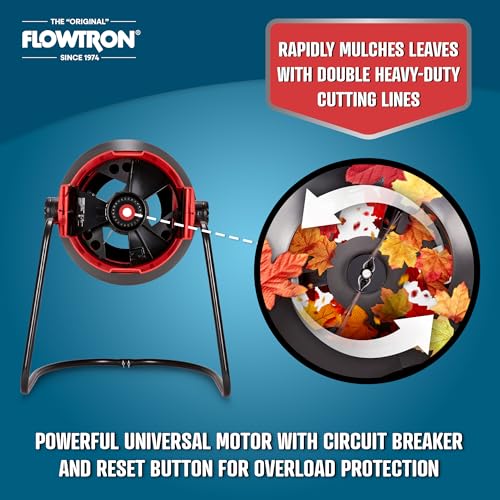
Look closely at how the machine opens, locks out, and exposes the cutting chamber before you buy. A good homeowner chipper should make it obvious how to shut down, unplug or disable power, wait for the cutter to stop, and clear packed material without reaching near blades; useful features include a reset switch, overload protection, accessible blade bolts, replaceable knives, and a supplied push tool. Avoid designs that make every clog a long teardown, because green vines, forked sticks, and overfed material can jam even a capable unit. Owner sentiment specifically warns that oversized or awkward branches can lead to jams and faster wear. It also suggests that durability remains acceptable when the machine is used within its limits, so easy jam removal and blade maintenance directly protect reliability.
Move & Store
A chipper shredder mulcher is often used in short cleanup sessions across different parts of a property. If it is hard to assemble, wheel, position, or store, owners are less likely to use it often enough to justify the space it takes.
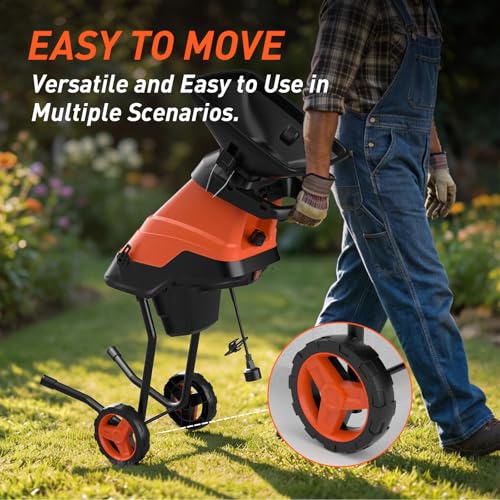
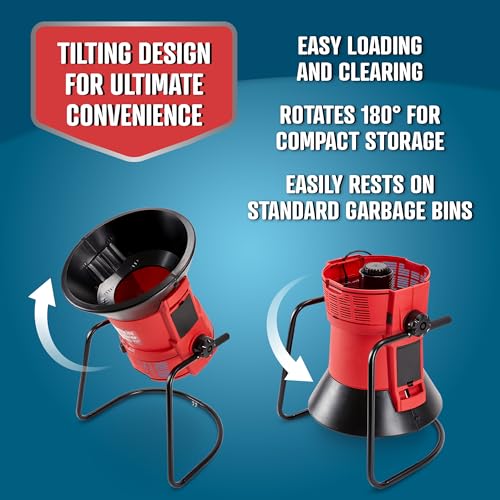
For residential use, the machine has to reach the debris pile, not just sit in the shed. Check wheel size, handle height, balance, hopper height, cord routing, and whether the unit can roll across grass, mulch, and uneven garden edges without tipping. Compact size is helpful for storage, but too little weight or a narrow stance can make feeding awkward branches less stable, so look for a frame that is light enough to move yet sturdy enough to stay planted while chipping. Owner feedback is favorable here: assembly is described as quick and straightforward, and compact machines are seen as sturdy while still light and easy to move around. That convenience matters most when cleanup happens in several small piles around the yard.
Value Fit
This category can feel like a bargain when it replaces repeated hauling and turns waste into mulch. It can also disappoint if the buyer expects a compact residential machine to process oversized branches or heavy cleanup volumes.
Judge value by avoided disposal work, mulch produced, and whether the machine’s limits match your yard waste—not by headline power alone. Factor in replacement blades, collection bags, outdoor cords for electric units, protective gear, and the likelihood that large storm debris or thick limbs may still require a heavier tool or rental. The best value comes from a machine that handles your normal pruning cycle reliably without being forced into jobs it was not built for. Owner sentiment says the price can feel like a strong deal for the chipping performance delivered, and that power and overall performance can exceed expectations for residential electric use. That positive value story depends on buying for the right workload rather than expecting compact equipment to behave like commercial machinery.
1,000,000+ shoppers use Buyer's Guide every week to find the best products and services online.

Helping millions of users make smarter purchases online.


