












We also considered 10 others:



Our Top Choice
Compare Features


The order above is not editorial opinion, and it is not paid placement. It comes from what shoppers across our network actually do - which electric blankets they compare, and which they ultimately buy. We re-rank as new data comes in, so the long-term favorites have to keep earning their spot against new entrants. The full method, including how we make money.
Electric Blankets Buyer's Guide
Electric blankets are a comfort purchase, but the real tradeoff is soft, even warmth versus electrical safety, washable durability, and controls you can trust if you doze off. The biggest things to check are whether the blanket heats evenly without bulky wires, fits the exact use case—bed, couch, office, or targeted pain relief—and includes clear heat settings, timers, and auto-shutoff.
Comfort
Comfort matters because an electric blanket should feel soothing before you even turn on the heat—soft against your skin, cozy over your body, and not stiff, scratchy, or bulky. Look for materials that match your preference for plushness or breathability, and watch for uneven wiring, heavy controls, or noticeable cords that can make lounging or sleeping less pleasant. If you want pain relief, prioritize gentle, consistent warmth and a flexible feel that lets the blanket drape naturally around sore areas.
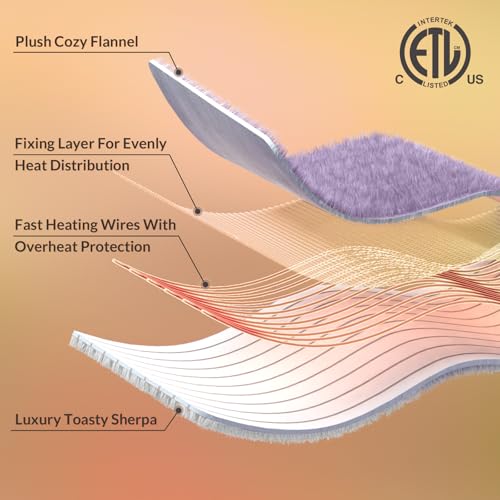
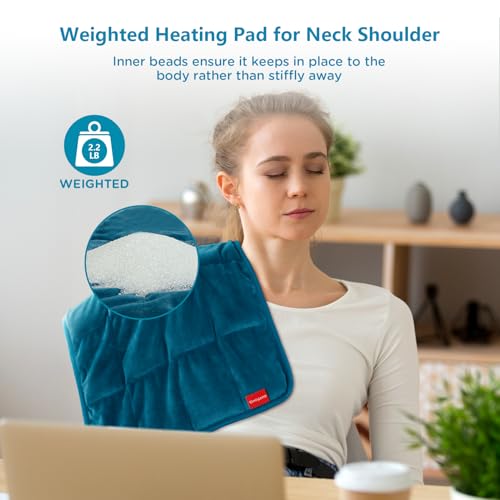
For an electric blanket, comfort starts with wire feel: choose one with heating elements that are thin, flexible, and well distributed so you do not feel stiff ridges when lying on it or wrapping it around your shoulders. For bed use, look for breathable fleece, plush, or flannel-like fabric that stays cozy without trapping too much heat; for pain relief, a weighted or contoured pad can help keep warmth pressed against the neck, shoulders, abdomen, or back without constant repositioning. Owner feedback supports this: shoppers often praise very soft, plush fabrics, lightweight warmth for beds and couches, quick cozy heat on cold nights, and weighted wrap designs that feel soothing and hug-like during longer use.
Build
A well-built electric blanket should feel comfortable, hold up to repeated use, and keep heating reliably without hot spots, fraying, or controls that fail early. Look for soft, durable fabric, secure stitching, evenly distributed wiring, washable construction, and clear care instructions, and be wary of thin materials, bulky wires, uneven heat, or reviews that mention failures after washing or regular use.
Prioritize electrical and wash durability over surface plushness alone: check that the controller detaches for laundering, the cord connection feels reinforced, the stitching around edges is secure, and the care instructions allow the cleaning method you will actually use. Avoid blankets with vague wash guidance, stiff cable exits, or thin fabric where wires can twist, bunch, or become more noticeable over time. Owners commonly report satisfaction when blankets wash well, keep their fuzzy texture, do not shed, continue working after repeated use, and have thoughtful stay-in-place features such as straps, snaps, or over-the-shoulder shaping for targeted heat.
Warmth
Warmth matters because an electric blanket should get you comfortable quickly and hold a steady temperature without cold patches or overly hot spots. Look for strong but adjustable heat output, even heat distribution from edge to edge, and controls that let you fine-tune the setting; be cautious of blankets that heat slowly, feel uneven, or cycle noticeably between too warm and not warm enough.
Match heat output to the setting: a couch throw should warm quickly for short sessions, a bed blanket should maintain steady low-to-medium heat without hot spots, and a therapeutic pad should deliver focused warmth strong enough for muscles or cramps. Look for even coverage across the heated area, not just a warm center, and avoid models that only feel warm when pressed tightly against the body unless that is the intended use. Owner sentiment backs the importance of fast warm-up and usable heat range, with many buyers appreciating blankets and pads that get genuinely warm, feel reliably toasty on cold mornings or evenings, and provide enough adjustable heat for chilly rooms, sore muscles, or avoiding a thermostat increase.
Value
Value matters because an electric blanket should feel worth what you spend not just on day one, but through regular use. Look for a balance of reliable heating, comfortable materials, useful controls, safety features, and warranty support, and be cautious of very cheap options that sacrifice durability or consistency. A good value is the blanket that fits your needs without making you pay for features you will not use.
The best value in this category is not simply the softest blanket; it is a combination of safe-feeling controls, consistent heat, washable construction, enough coverage for your use, and a fabric that still feels good after repeated cycles. If you plan to use it nightly or for pain relief, it is worth prioritizing more heat levels, a timer, a longer cord, and a size that prevents constant repositioning. Owners tend to see strong value when a blanket feels well made, has premium-feeling fabric, washes without losing texture, offers simple controls and multiple heat settings, and works well for personal warming on a couch, bed, office chair, or targeted body area.
Size
Size matters because an electric blanket should cover you comfortably without leaving cold spots or hanging awkwardly off the bed or couch. Match the blanket dimensions to where you’ll use it most—throw sizes for sofas or personal use, larger sizes for beds—and check whether the heated area extends close enough to the edges. If you share it, make sure it feels roomy enough for two people and won’t pull tight when you move.
Choose size by heated coverage, not just blanket dimensions: a throw is best for one person on a couch or at a desk, twin or larger sizes work better as a bed layer, and extra-large pads are more practical for full back, hip, shoulder, leg, or abdominal coverage. For shared beds, check whether the blanket has dual zones or whether one heat level will have to suit both sleepers; for couch use, make sure the cord can reach without stretching across walkways. Owners often like larger pads because they cover broad areas better than standard pads, while throw and twin sizes are praised for personal use, easy movement between couch, desk, and bed, and lightweight coverage that does not feel bulky.
Controls
You’ll use the controls every time you turn the blanket on, so they should be easy to understand in low light and responsive without fuss. Look for enough heat settings to fine-tune comfort, clear indicators, and practical features like auto-shutoff or separate zone controls if you share the blanket. Watch out for controllers that feel confusing, overly sensitive, or inconsistent, since poor functionality can make even a warm blanket frustrating to use.
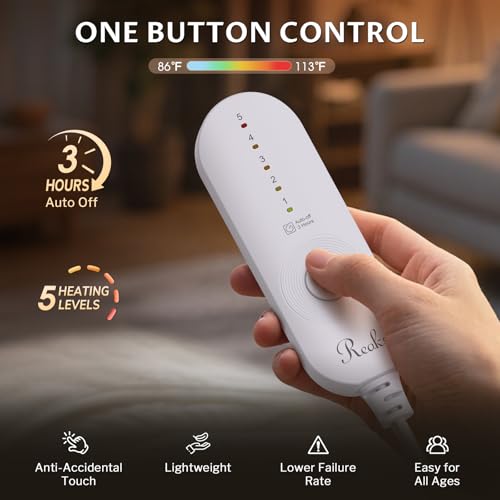
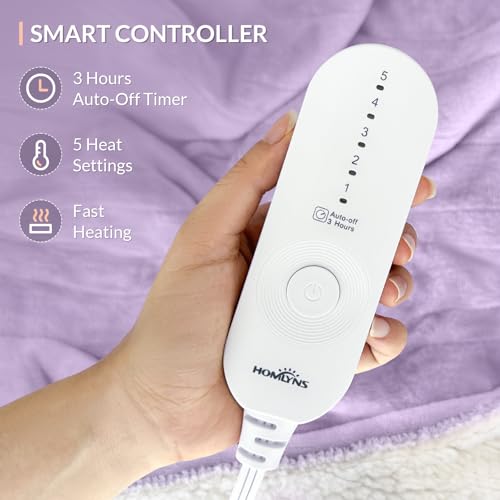
Controls are a safety and usability feature in electric blankets, not an afterthought: look for clearly labeled heat levels, a timer, auto-shutoff, and buttons you can operate in the dark or while half-asleep. More heat settings matter because a blanket that is comfortable for preheating a bed may be too hot for sleeping, while a low setting may be better for pets, older users, or long couch sessions; avoid models with confusing controllers or no automatic shutoff if you might fall asleep. Owner feedback strongly favors blankets with broad temperature ranges, fast warm-up, sturdy controllers, timer options, and enough adjustability to move from gentle warmth to much toastier heat while adding reassurance during relaxing or sleeping.
1,000,000+ shoppers use Buyer's Guide every week to find the best products and services online.

Helping millions of users make smarter purchases online.


