











We also considered 10 others:


Our Top Choice
Compare Features


The order above is not editorial opinion, and it is not paid placement. It comes from what shoppers across our network actually do - which battery heated blankets they compare, and which they ultimately buy. We re-rank as new data comes in, so the long-term favorites have to keep earning their spot against new entrants. The full method, including how we make money.
Battery Heated Blankets Buyer's Guide
Battery heated blankets trade outlet-level heat for cordless portability, so the key question is whether the blanket can deliver useful warmth for your actual setting without draining the battery too fast. Shoppers should look closely at heat-zone coverage, included battery capacity, controller reliability, and washable electrical construction, because failures often show up as weak heat, short runtime, or dead controls rather than ordinary fabric wear.
Warmth
Warmth matters because an electric blanket should get you comfortable quickly and hold a steady temperature without cold patches or overly hot spots. Look for strong but adjustable heat output, even heat distribution from edge to edge, and controls that let you fine-tune the setting; be cautious of blankets that heat slowly, feel uneven, or cycle noticeably between too warm and not warm enough.
For battery-heated blankets, judge warmth by heat-zone coverage and real output, not just “quick heat” claims: look for elements across the torso/lap area, multiple heat levels, enough insulation to hold warmth when the battery cycles down, and clear expectations that cordless models usually feel gentler than plug-in blankets. Avoid models where heating is limited to one small patch or where reviews suggest the highest setting is still weak for outdoor seating, sports events, or unheated rooms. Owner feedback supports this split: many buyers praise quick warm-up, adjustable cozy heat, and steady comfort through cold nights, while the sharpest complaints come from blankets that barely warmed, heated unevenly, or failed to heat at all.
Battery
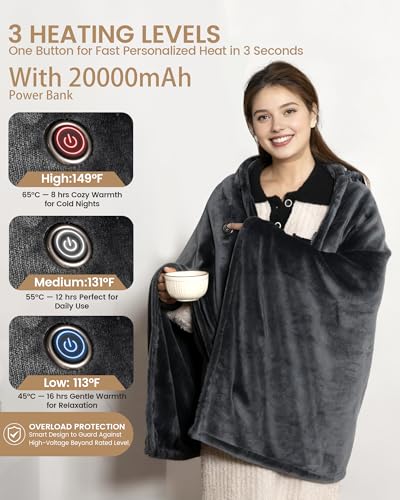
If you want cordless warmth, battery life determines whether the blanket can last through a commute, outdoor event, or nap without fading early. Look for clear runtime estimates at different heat settings, easy charging, and a power bank that isn’t too bulky or awkward to place. Watch for blankets that only run long on the lowest setting, since higher heat can drain the battery much faster.
Battery specs are a core buying issue here: check whether the battery is included, its capacity, expected runtime on the highest setting, recharge time, connector type, and whether spare or replacement packs are easy to get. Be skeptical of runtime claims based only on low heat, because several hours of continuous high warmth away from an outlet can drain a pack much faster; for camping, stadium use, commuting, or outdoor work, a swappable battery may matter more than a large blanket size. Owner sentiment echoes this: some buyers say cordless use lasts long enough for daily use and several hours away from an outlet, but others report quick drain, long charging, or needing extra batteries.
Controls
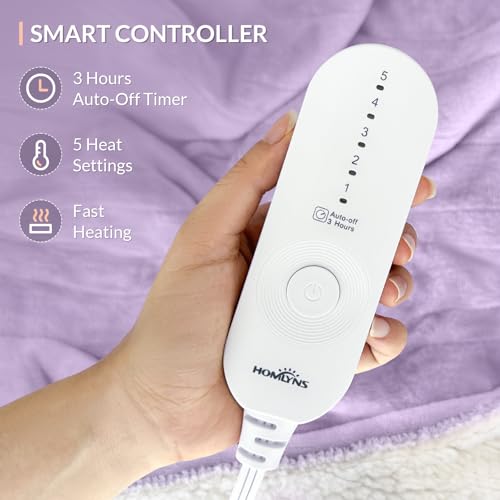
You’ll use the controls every time you turn the blanket on, so they should be easy to understand in low light and responsive without fuss. Look for enough heat settings to fine-tune comfort, clear indicators, and practical features like auto-shutoff or separate zone controls if you share the blanket. Watch out for controllers that feel confusing, overly sensitive, or inconsistent, since poor functionality can make even a warm blanket frustrating to use.
Choose controls that are easy to operate while the blanket is wrapped around you: distinct heat levels, a visible indicator, accessible button placement, timer options, and auto shutoff are especially useful when the battery pack is tucked in a pocket. For outdoor or very cold use, controls only matter if the upper settings produce noticeable heat, so avoid models with vague low/medium/high descriptions and no evidence of meaningful temperature changes. Owners often like adjustable settings, timers, and auto-off for couches, offices, and long cold stretches, but feedback is mixed because some units work well while others barely heat or do not function as expected.
Comfort
Comfort matters because an electric blanket should feel soothing before you even turn on the heat—soft against your skin, cozy over your body, and not stiff, scratchy, or bulky. Look for materials that match your preference for plushness or breathability, and watch for uneven wiring, heavy controls, or noticeable cords that can make lounging or sleeping less pleasant. If you want pain relief, prioritize gentle, consistent warmth and a flexible feel that lets the blanket drape naturally around sore areas.
Comfort depends on more than softness: check whether you can feel the heating wires, whether the battery pocket sits awkwardly against your hip or back, and whether the blanket is light enough to wear or move around with without pulling on the cord. For desk, couch, travel, or stadium use, plush fabric is helpful, but bulky controllers, stiff wiring, or a poorly placed battery can make a warm blanket annoying in practice. Owner feedback is strongly positive on feel, with many buyers describing soft flannel, plush, fluffy fabric, comfortable thickness, and usefulness even before the heat is turned on.
Build
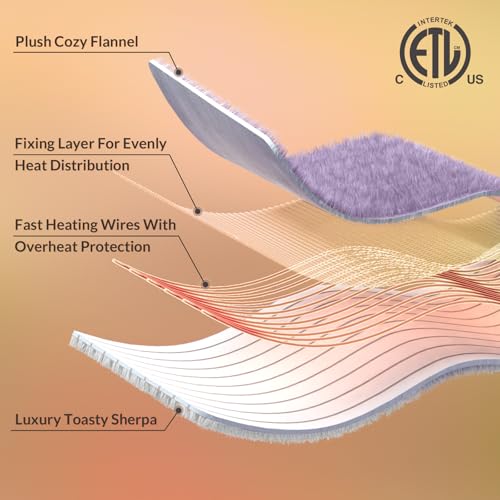
A well-built electric blanket should feel comfortable, hold up to repeated use, and keep heating reliably without hot spots, fraying, or controls that fail early. Look for soft, durable fabric, secure stitching, evenly distributed wiring, washable construction, and clear care instructions, and be wary of thin materials, bulky wires, uneven heat, or reviews that mention failures after washing or regular use.
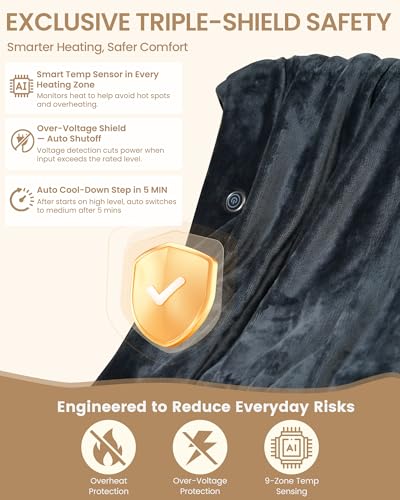
Build quality should be evaluated around electrical durability: look for secure battery connectors, reinforced seams near the controller lead, washable construction with fully removable electronics, overheat protection, and clear care instructions. The common failure mode in this category is not just fabric wear but controller or heating-element failure, so a blanket that feels plush but has unreliable heating is a poor bet. Owners often describe good units as well made, non-shedding, dependable, and still working after washing or extended use, yet mixed reports mention heating failure, controller problems, or blankets that arrived barely functional.
Value
Value matters because an electric blanket should feel worth what you spend not just on day one, but through regular use. Look for a balance of reliable heating, comfortable materials, useful controls, safety features, and warranty support, and be cautious of very cheap options that sacrifice durability or consistency. A good value is the blanket that fits your needs without making you pay for features you will not use.
Value should include the complete cordless system, not just the blanket: confirm whether a compatible battery pack is included, whether replacements are affordable, and whether the blanket still works well as a regular throw when unpowered. A good value in this niche is one that reduces reliance on whole-room heat or space heaters while delivering dependable battery runtime and comfort; a low upfront cost can be misleading if you must buy batteries separately or replace failed components. Owners often feel these blankets are worth it for softness, strong heat, portability, and avoiding thermostat increases, but value becomes mixed when durability is uncertain or the required battery is not included.
1,000,000+ shoppers use Buyer's Guide every week to find the best products and services online.

Helping millions of users make smarter purchases online.


