




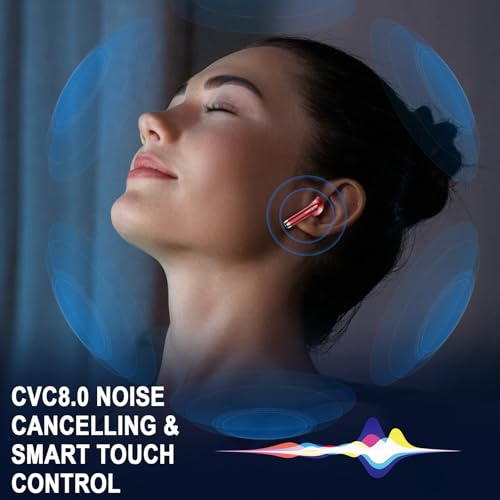


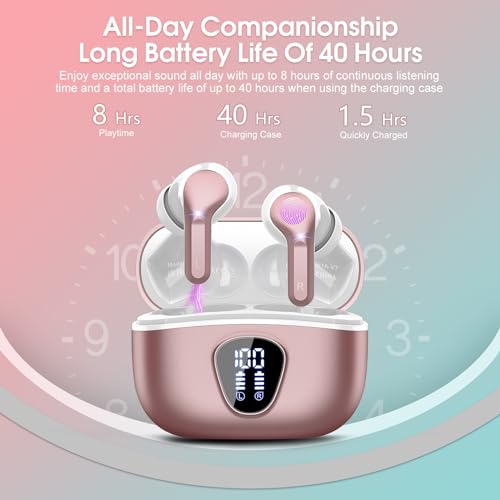


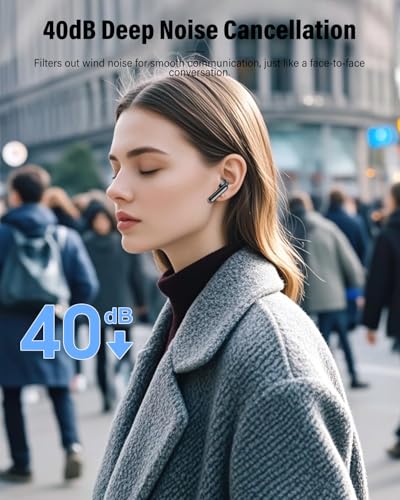

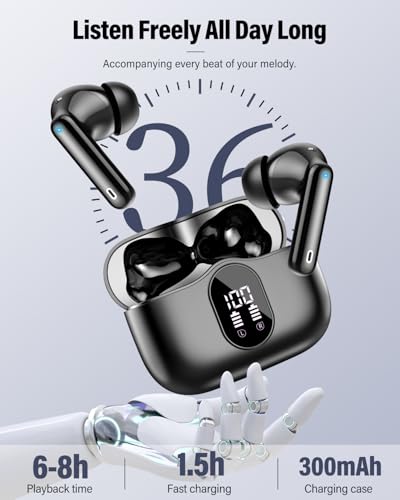



We also considered 10 others:


Our Top Choice
Compare Features


The order above is not editorial opinion, and it is not paid placement. It comes from what shoppers across our network actually do - which earbuds they compare, and which they ultimately buy. We re-rank as new data comes in, so the long-term favorites have to keep earning their spot against new entrants. The full method, including how we make money.
Earbuds Buyer's Guide
Earbuds are a tradeoff between tiny convenience and very personal fit: the same model can sound excellent for one ear shape and thin or unstable for another. The sharpest checks are seal security, per-earbud battery life, case reliability, and Bluetooth behavior, because failures there affect daily use more than spec-sheet sound claims.
Build
You want earbuds that can handle daily use without loose seams, rattling housings, fraying cables, unreliable charging contacts, or tips that stop fitting securely. Pay attention to the sturdiness of the shells, hinges or case, cable strain relief on wired pairs, water or sweat resistance for workouts, and owner reports of early failures, connection issues, or one earbud dying before the other.
Look for earbuds with a sturdy case hinge, clear left/right charging contact alignment, magnets strong enough to seat each bud reliably, and an ingress rating appropriate for sweat or rain if you will exercise in them. For daily carry, also check that the case is pocketable, has a visible charge indicator, and uses common charging cables; avoid designs where bulky shells or fragile lids make the buds annoying to carry or easy to mischarge. Owner feedback supports prioritizing these basics: buyers often describe small, easy-to-carry sets as better built than expected, and many specifically appreciate long battery performance, useful case displays, app controls, and a feature set that feels strong for everyday use.
Fit
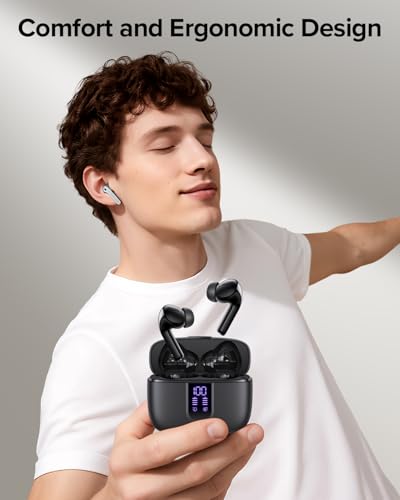
Fit matters because earbuds that don’t sit comfortably or seal well can sound thin, feel irritating, or work loose while you move. Look for multiple ear tip sizes or stabilizing features if you need them, and watch for pressure points, slipping, or a seal that breaks when you talk, chew, or exercise.
Fit is the make-or-break earbud spec, so choose models that include multiple silicone tip sizes, wing or hook options if you run or train, and a shape that will not press painfully against the ear bowl during long sessions. A good earbud should seal without needing to be jammed deeply into the canal, should stay put when chewing or walking, and should still work with glasses if it uses ear hooks; avoid one-size tip systems if you have had seal problems before. Owner reports reinforce this: shoppers repeatedly praise soft tips, snug seals, secure placement during walks, chores, workouts, running, and climbing, with some noting that hook-style designs feel especially stable even when a bit bulkier.
Sound
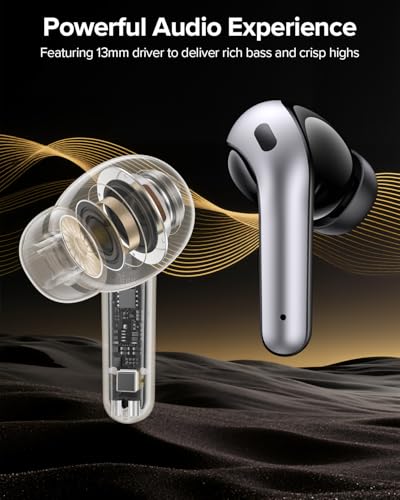
Sound quality matters because earbuds should make music, podcasts, and calls clear and balanced without forcing you to raise the volume. Look for enough bass to feel full without muddying vocals, clean detail at normal listening levels, and performance that stays consistent across different genres. Be wary of earbuds that sound overly boomy, harsh, or thin, since that can become tiring during longer listening sessions.
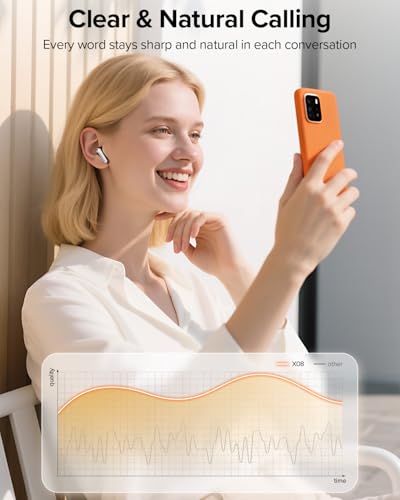
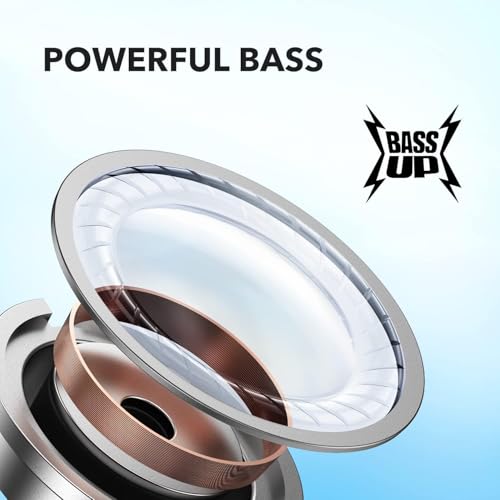
For earbuds, sound quality depends heavily on seal and tuning options, not just driver claims, so prioritize adjustable EQ, multiple ear-tip sizes, and a sound profile that stays clear at moderate volume without relying on excessive bass. If you watch video or play games, also check for low-latency modes; if you take calls, look for microphone noise reduction rather than assuming music performance means call clarity. Owner sentiment backs the idea that well-chosen earbuds can deliver clear, balanced everyday audio, with many buyers praising crisp sound, solid bass, and enjoyable performance for music, podcasts, video calls, and general listening.
Value
Value matters because the best earbuds for you are not just the cheapest pair, but the ones that justify their cost through sound quality, comfort, battery life, durability, and useful features. Look for a balance between the features you will actually use and the compromises you can live with, and be cautious of paying extra for flashy specs or design touches that do not improve your everyday listening experience.
Judge value by the complete earbud system: fit options, case battery, app control, warranty/support, Bluetooth stability, water resistance, and replacement-tip compatibility matter more than a long feature list that fails in daily use. Avoid overpaying for buzzwords if the basics are weak, but also avoid ultra-minimal sets that omit secure fit accessories, usable controls, or reliable charging indicators. Owner feedback supports this practical approach, with many buyers feeling affordable wireless earbuds can deliver strong sound, battery life, convenience, and features good enough for daily use, and some even treating backup pairs as worthwhile because the overall package performs well.
Battery
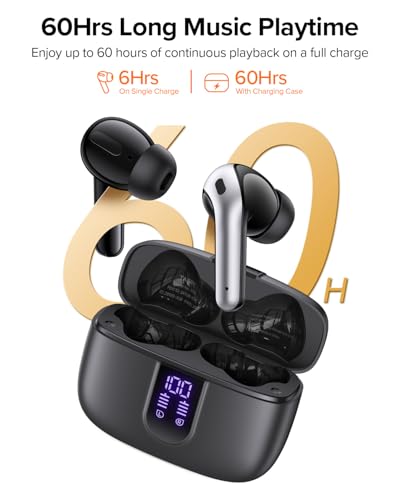
Battery life matters because it determines whether your earbuds can get through your commute, workouts, calls, or travel without constant recharging. Look at both the earbuds’ per-charge runtime and the extra charges provided by the case, and watch for features that reduce runtime such as noise cancellation or high-quality audio modes. Consistent charging behavior also matters, so consider how quickly the case and earbuds recharge and whether the case supports the charging method you prefer.
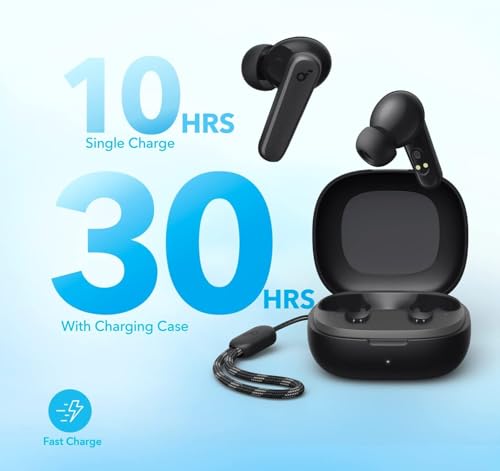
Check the rated listening time per earbud separately from the total case time, and look for the rating with your intended features turned on, especially noise cancellation, transparency mode, multipoint, or high-volume listening. For commuting or shifts, prioritize quick-charge capability, a case that shows remaining power clearly, and enough reserve cycles that one forgotten charge does not ruin the day; also consider whether either earbud can be used alone to extend runtime. Owner sentiment is strongly supportive here: buyers frequently describe battery life as dependable for daily use, long sessions, meetings, flights, and repeated use from the case, with quick top-ups and charge displays called out as useful.
Connectivity
Strong connectivity keeps your earbuds paired reliably, with fewer dropouts when you move around, put your phone in a pocket, or use them in busy wireless environments. Look for easy Bluetooth pairing, stable range, and multipoint or smooth device switching if you regularly move between a phone, laptop, or tablet. Watch out for earbuds that reconnect slowly, favor one device too aggressively, or lose sync in crowded areas.
For wireless earbuds, verify Bluetooth version, multipoint support if you switch between phone and computer, single-earbud use, and whether the earbuds reconnect automatically after being returned to the case. Be cautious if you rely on calls or workouts where dropouts are unacceptable: pairing complaints, manual reconnection, or one-earbud desync can make otherwise good earbuds frustrating. Owner feedback is mixed in exactly this way: many buyers report quick pairing, stable Bluetooth, decent range, easy use across phones and tablets, multipoint, and seamless device switching, while others cite repeated disconnects, setup trouble, slow pairing, or manual reconnection as the main weakness.
1,000,000+ shoppers use Buyer's Guide every week to find the best products and services online.

Helping millions of users make smarter purchases online.


