





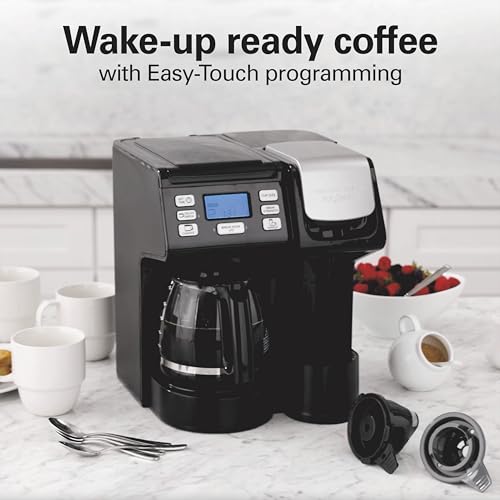


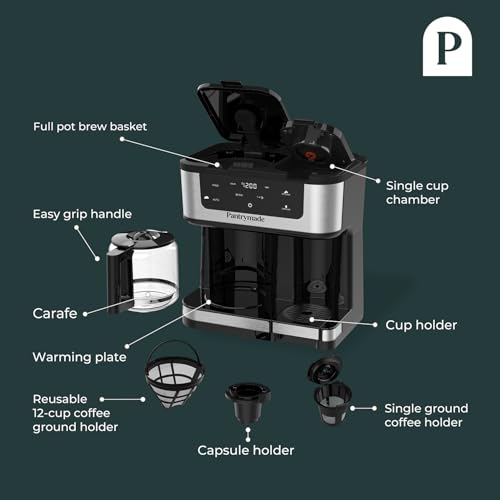


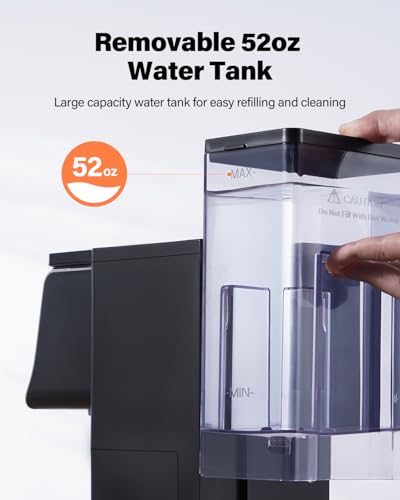


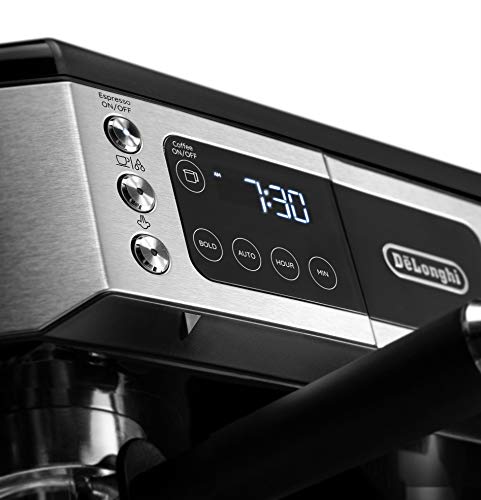
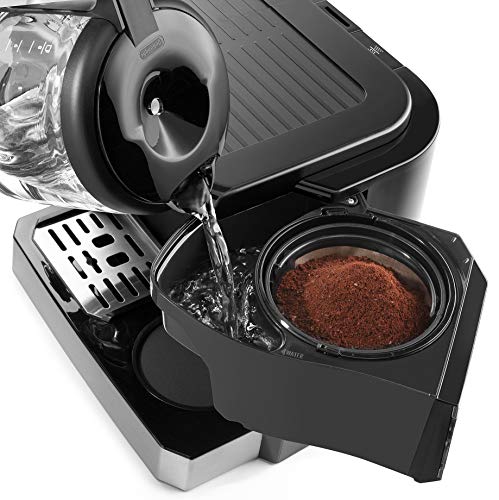


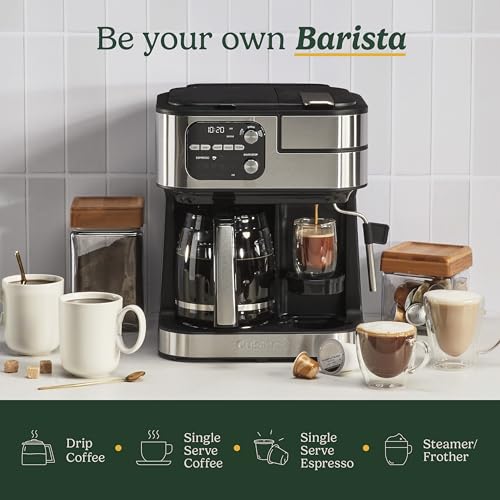


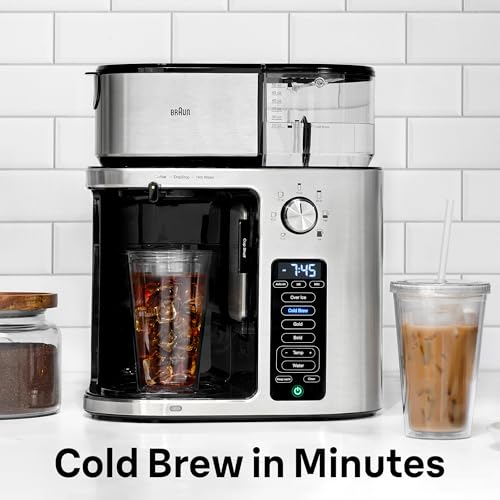
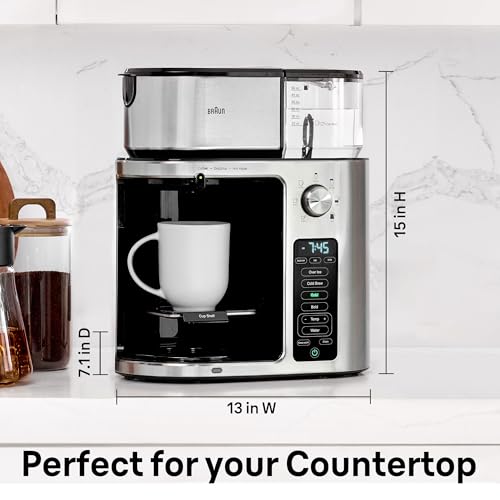




We also considered 10 others:


Our Top Choice
Compare Features


The order above is not editorial opinion, and it is not paid placement. It comes from what shoppers across our network actually do - which dual coffee makers they compare, and which they ultimately buy. We re-rank as new data comes in, so the long-term favorites have to keep earning their spot against new entrants. The full method, including how we make money.
Dual Coffee Makers Buyer's Guide
Dual coffee makers are a tradeoff between counter-space efficiency and added complexity: you get single-cup convenience and a full carafe, but you also get two brew paths, more seals, more valves, and more ways for leaks or clogs to appear. The sharpest checks are whether the single-serve side matches the pods or grounds you actually use, whether the carafe side pours cleanly when full, and whether the machine keeps coffee hot without overcooking it.
Coffee
Coffee quality matters because a maker’s extraction, temperature control, and brew consistency determine whether you get a balanced, flavorful cup or one that tastes weak, bitter, or sour. Look for machines that match your preferred style—drip, espresso, cold brew, or tea-friendly brewing—and pay attention to grinder performance if it is built in, since uneven grounds can hurt flavor even when the brewer itself is capable.
For coffee quality, choose a dual brewer that lets you control strength separately on the single-cup and carafe sides, accepts both pods and loose grounds if you use both, and has clearly sized brew options so an 8-ounce cup does not taste watery and a full pot does not taste weak. If you care about richer coffee, look for a bold or strong setting, showerhead-style saturation on the carafe side, and a reusable single-cup filter that is not too tiny to hold enough grounds. Owner feedback supports this: buyers often praise dual machines when they can switch smoothly between quick single cups and full pots, and many say flavor improves when they can use grounds, strength settings, or multiple drink styles rather than being locked into one format.
Temperature
Temperature affects both flavor and how enjoyable your coffee is once it hits the cup: water that is too cool can under-extract, while excessive heat or prolonged warming can make coffee taste harsh or stale. Look for a coffee maker that brews at a consistent heat level and keeps coffee hot without scorching it, especially if you tend to sip slowly or serve multiple cups over time.
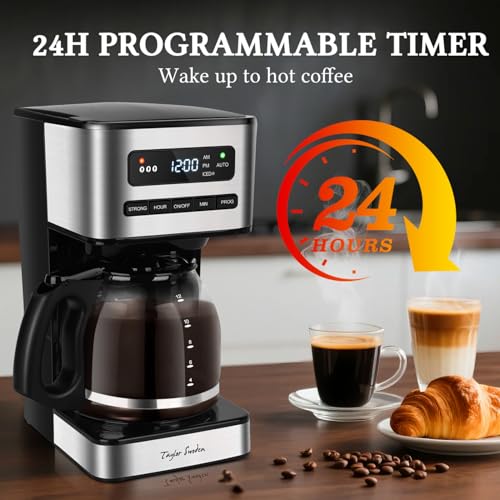
For temperature, decide first whether you want a thermal carafe or a glass carafe with a warming plate: thermal is better for holding coffee for hours without scorching, while a warming plate can keep coffee hot but may make it taste stale. Also check whether the single-serve side brews hot enough into a travel mug, because pod-style and short-brew modes can feel cooler if the machine underheats or the mug is cold. Owners commonly like machines that produce hot coffee and offer programmable start, and thermal carafes receive especially strong praise for heat retention; however, sentiment is mixed on long-term consistency, with some users reporting steaming-hot performance and others seeing errors, brewing failures, or declining heat over time.
Build
Build quality matters because a coffee maker deals with daily heat, water pressure, steam, and repeated handling, all of which can expose weak materials or poor assembly over time. Look for sturdy construction, well-sealed water reservoirs and carafes, durable buttons or controls, and parts that fit securely without flexing or leaking. Be cautious of flimsy plastics, loose lids, recurring drips, or reviews that mention early pump, heating, or gasket failures.
For build, inspect the water-routing design: dual brewers are especially vulnerable around the pod puncture area, removable reservoirs, carafe spout, rear water tank seam, and the valve that switches between single-cup and pot brewing. Favor machines with removable tanks that seat firmly, a carafe that pours cleanly when full, accessible descale paths, and replaceable filters or baskets; avoid designs with cramped pod chambers, flimsy lids, or spouts that look likely to dribble. Owner reports make this the biggest caution area: many like the solid feel of some compact or feature-rich models, but repeated complaints mention early failures, pod-side or carafe-side breakdowns, leaking from the back or underneath, and messy dripping or steam issues.
Ease
A coffee maker that’s easy to use is more likely to fit into your daily routine without slowing you down, especially when you’re half-awake or making multiple cups. Look for clear controls, straightforward setup, simple filling and cleaning steps, and settings you can understand without constantly checking the manual. Watch out for machines with confusing menus, awkward water reservoirs, or too many rarely used features that make everyday brewing harder than it needs to be.
For ease of use, look for a control layout that makes the brew path impossible to confuse: separate buttons or clear mode indicators for single cup versus carafe, obvious ounce markings, an easy-fill reservoir, and removable parts that can be rinsed without disassembling the whole machine. If several people will use it, avoid machines where brew size, strength, pod mode, grounds mode, and carafe mode are all hidden behind one dial unless the display is very clear. Owners generally support this priority, praising machines that make switching between a weekday single cup and a weekend or office carafe straightforward, with easy refilling, cleaning, programmable start, guided setup, and removable components reducing daily friction.
Value
Value matters because a coffee maker’s true worth depends on how well it fits your daily routine, not just how much it costs. Look for owners who say it delivers consistent coffee, useful features, and durable performance for the money, and be cautious when reviews suggest you’re paying for extras you won’t use or quality that doesn’t hold up.
For value, judge the machine by what it can reliably replace, not by how many modes are printed on the box: a good dual brewer should eliminate the need for separate single-serve and drip machines without making either side feel compromised. Reusable filters, ground-coffee compatibility, a durable carafe, and a reservoir sized for your household usually matter more than novelty drink modes if you brew daily. Owner sentiment is favorable when one machine credibly covers pods, grounds, carafes, and occasional specialty-style drinks, and many appreciate reusable single-cup setups because they reduce pod dependence; the value concern is durability, since early faults or recurring failures make an otherwise flexible machine feel risky.
Features
Features matter because they determine whether a coffee maker fits your routine, from brew strength and cup size to timers, temperature control, and specialty drink options. Look for settings you’ll actually use and controls that are easy to adjust, and be cautious of machines with lots of modes that still struggle with consistent flavor, heat, or reliability.
For features, prioritize the dual-brew features you will actually use: independent single-cup and carafe settings, multiple cup sizes, brew-strength control, a reusable grounds basket, programmable carafe brewing, hot-water dispensing only if it has a safe dedicated path, and a reservoir that serves both sides without constant refilling. Be cautious with added frothers, steamers, cold-drink modes, or complex control panels unless they are easy to clean and do not crowd the basic brew functions, because more features can mean more learning curve and more failure points. Owners like broad functionality when it works, especially machines that handle single cups, full pots, hot water, milk functions, auto brew, and adjustable strength, but they also report that pod-side glitches, control issues, leakage, and initial complexity can undercut the convenience.
1,000,000+ shoppers use Buyer's Guide every week to find the best products and services online.

Helping millions of users make smarter purchases online.


