










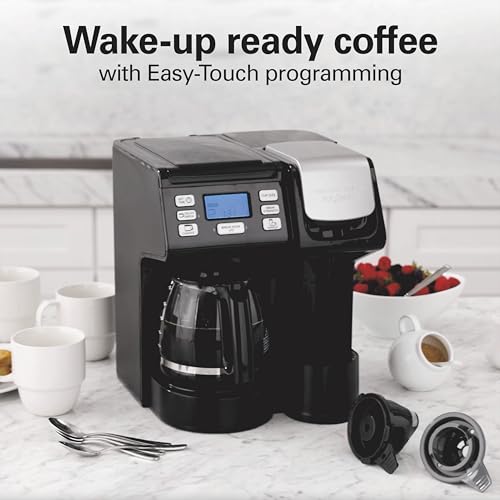


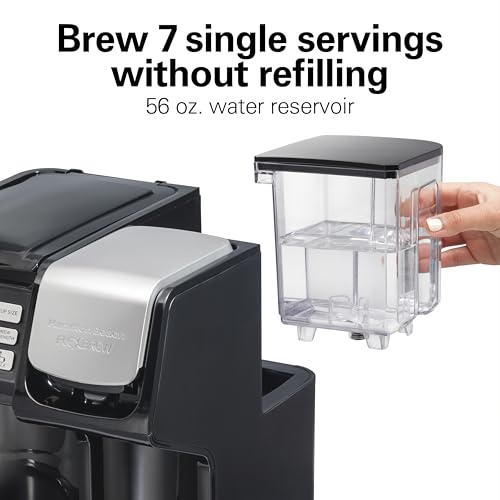


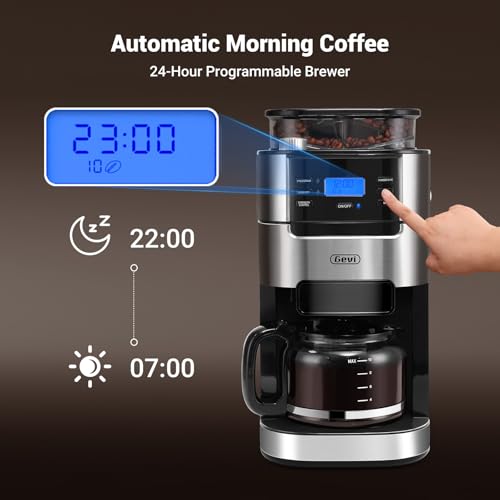
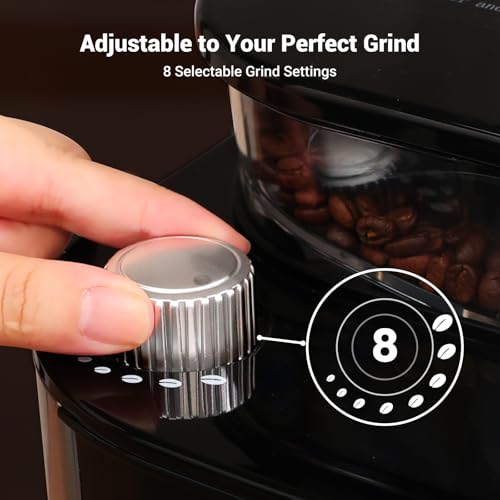
We also considered 10 others:


Our Top Choice
Compare Features


The order above is not editorial opinion, and it is not paid placement. It comes from what shoppers across our network actually do - which combo coffee makers they compare, and which they ultimately buy. We re-rank as new data comes in, so the long-term favorites have to keep earning their spot against new entrants. The full method, including how we make money.
Combo Coffee Makers Buyer's Guide
Combo coffee makers are about trading counter space and convenience against complexity: one machine may need to handle pods, loose grounds, a full carafe, iced drinks, milk drinks, and sometimes grinding or espresso-style brewing. The sharpest buying concerns are whether each brewing path actually matches how your household drinks coffee, and whether the shared water system, seals, pod mechanism, and carafe side stay reliable over daily use.
Coffee
Coffee quality matters because a maker’s extraction, temperature control, and brew consistency determine whether you get a balanced, flavorful cup or one that tastes weak, bitter, or sour. Look for machines that match your preferred style—drip, espresso, cold brew, or tea-friendly brewing—and pay attention to grinder performance if it is built in, since uneven grounds can hurt flavor even when the brewer itself is capable.
Start by matching the machine to your real drink mix: if you mainly want a full morning pot plus occasional single cups, prioritize a true carafe brewer with a separate, easy-to-load single-serve path; if you want lattes or espresso-style drinks, check whether it uses real pressure or only a concentrated coffee setting. Look for adjustable brew strength, compatibility with both pods and loose grounds, enough cup-size options for travel mugs and small cups, and an iced setting that brews stronger rather than simply diluting hot coffee over ice. Owner feedback supports this focus: buyers most often praise combo machines when they make flavorful full pots, strong single cups, iced coffee, and specialty-style drinks well enough to replace multiple separate brewers.
Temperature
Temperature affects both flavor and how enjoyable your coffee is once it hits the cup: water that is too cool can under-extract, while excessive heat or prolonged warming can make coffee taste harsh or stale. Look for a coffee maker that brews at a consistent heat level and keeps coffee hot without scorching it, especially if you tend to sip slowly or serve multiple cups over time.
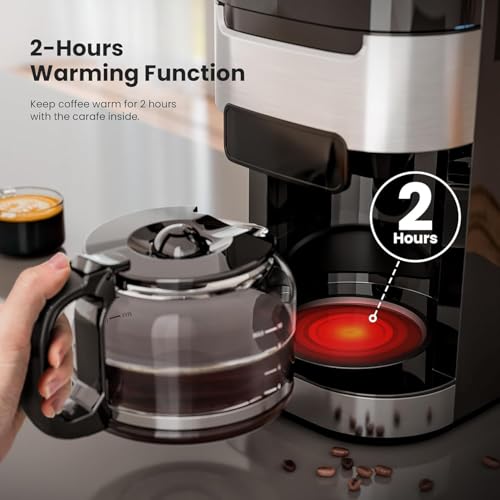
For this category, verify heat performance separately for the carafe side and single-serve side, because they often use different flow paths and one can run cooler than the other. If you like very hot coffee, look for strong owner evidence of hot single cups, a warming plate or thermal carafe that fits your routine, programmable brewing that does not sacrifice temperature, and a preheat or rinse option for pod-style cups and milk drinks. Sentiment is mixed here: many owners say their combo brewer produces hot or steaming-hot coffee and appreciate waking to a programmed pot, but others report cups that are not hot enough or heat performance that becomes inconsistent over time.
Ease
A coffee maker that’s easy to use is more likely to fit into your daily routine without slowing you down, especially when you’re half-awake or making multiple cups. Look for clear controls, straightforward setup, simple filling and cleaning steps, and settings you can understand without constantly checking the manual. Watch out for machines with confusing menus, awkward water reservoirs, or too many rarely used features that make everyday brewing harder than it needs to be.
Choose a layout that makes switching modes obvious: separate buttons for pod, grounds, and carafe brewing; a reservoir you can fill without pulling the machine out; a brew basket that does not drip during removal; and adapters that are hard to misplace. For households with multiple users, avoid overly nested menus unless guided prompts are clear, and check whether the carafe, single-serve platform, frother, and reusable pod parts can be cleaned without a tedious teardown. Owners tend to reward machines that make daily switching between full-pot and single-cup brewing straightforward, with easy refilling, quick brewing, beginner-friendly prompts, and little setup fuss.
Build
Build quality matters because a coffee maker deals with daily heat, water pressure, steam, and repeated handling, all of which can expose weak materials or poor assembly over time. Look for sturdy construction, well-sealed water reservoirs and carafes, durable buttons or controls, and parts that fit securely without flexing or leaking. Be cautious of flimsy plastics, loose lids, recurring drips, or reviews that mention early pump, heating, or gasket failures.
Inspect the failure points that are specific to combo brewers: selector valves between brew modes, pod puncture assemblies, carafe-side baskets, reservoir seals, steam or frother connections, and any grinder chute if included. A machine that feels solid is not enough; you want removable parts that seat firmly, accessible gaskets, a drip tray that locks in place, and no reports of one side failing while the other still works. Owner sentiment reflects this split: some buyers describe well-made, dependable machines with strong everyday quality, while others report serious pod-side or carafe-side failures, leaking, or brewing problems within months.
Features
Features matter because they determine whether a coffee maker fits your routine, from brew strength and cup size to timers, temperature control, and specialty drink options. Look for settings you’ll actually use and controls that are easy to adjust, and be cautious of machines with lots of modes that still struggle with consistent flavor, heat, or reliability.
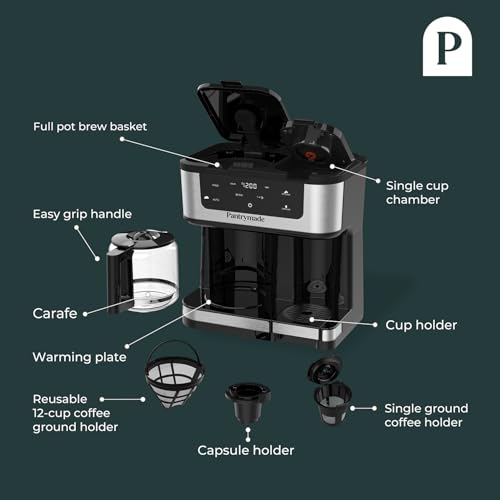
Treat features as useful only if they fit your routine and do not add cleaning burden: a frother should be removable or self-rinsing, a grinder should have meaningful grind adjustment and an easy-to-clear chute, and an espresso-style mode should be judged by drink quality rather than the label. Check cup-height clearance, whether the machine can use reusable filters or only pods, whether hot water is dispensed through a coffee-flavored path, and whether it can brew a carafe and single cup at the same time if that matters to your household. Owners praise all-in-one machines when guided settings, brew customization, cold foam, hot water, grinding, and multiple drink modes are easy to operate, but leakage, dripping, water, or steam messes are recurring feature-related watch-outs.
Value
Value matters because a coffee maker’s true worth depends on how well it fits your daily routine, not just how much it costs. Look for owners who say it delivers consistent coffee, useful features, and durable performance for the money, and be cautious when reviews suggest you’re paying for extras you won’t use or quality that doesn’t hold up.
Value in a combo machine depends on whether it genuinely replaces the separate devices you would otherwise keep, not just on having a long feature list. Factor in pod use versus reusable grounds, filter replacements, descaling frequency, milk-system cleaning, and the risk that one failed brew path can make the whole machine feel compromised. Owner feedback supports the strongest value cases when buyers can use regular grounds, reduce pod waste, brew both single cups and carafes, and get café-style or grind-and-brew convenience from one compact machine without feeling like build quality was sacrificed.
1,000,000+ shoppers use Buyer's Guide every week to find the best products and services online.

Helping millions of users make smarter purchases online.


