










We also considered 10 others:


Our Top Choice
The order above is not editorial opinion, and it is not paid placement. It comes from what shoppers across our network actually do - which dryer vent cleaning kits they compare, and which they ultimately buy. We re-rank as new data comes in, so the long-term favorites have to keep earning their spot against new entrants. The full method, including how we make money.
Dryer Vent Cleaning Kits Buyer's Guide
Dryer vent cleaning kits sit in a narrow tradeoff: they must be slim and flexible enough to reach lint hiding below the filter and into the first vent path, yet sturdy enough not to collapse, jam, or push debris deeper. The biggest buying risks are vacuum compatibility and hose behavior, because even an effective brush becomes disappointing if the adapter will not seal or the hose cannot bend through your dryer layout.
Lint Reach
Dryer lint often collects below the screen, inside the lint-trap cavity, and at the first bend of the vent where a normal vacuum nozzle cannot reach. A good kit needs both reach and extraction, because loosening lint without removing it can leave debris deeper in the airflow path.
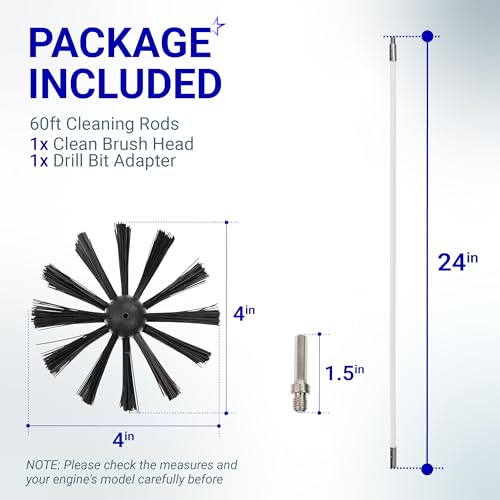
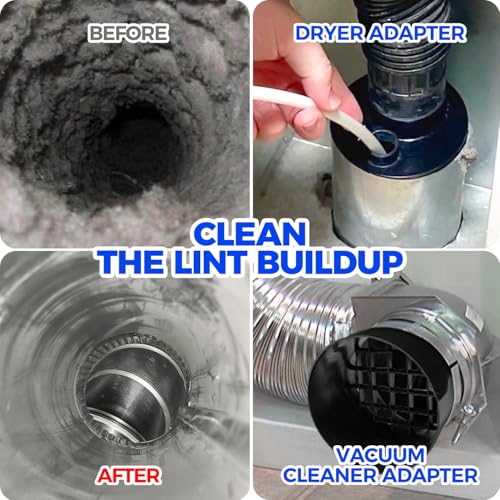
Look for a long, narrow crevice hose plus a brush sized for the lint-screen slot and the cavity below it; the best setup can reach under the filter housing and into the first section of vent without being so wide that it jams. Prioritize tools that pull lint out as you work, not just brushes that push or stir it loose. Owner feedback strongly favors kits that reach deeper than a standard vacuum attachment, remove years-old buildup from hard-to-access areas, and pull surprising amounts of lint from the trap, vent, and spaces below the filter.
Vacuum Fit
These kits depend on the vacuum connection as much as the cleaning tool itself. If the adapter leaks, slips off, or cannot match the vacuum hose shape, suction drops and the kit becomes frustrating even if the brush is useful.
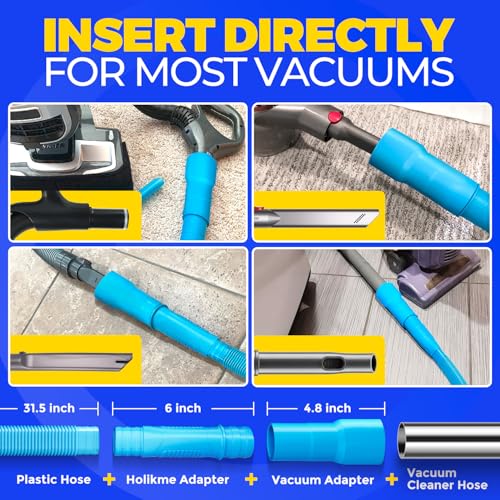
Before buying, check the adapter style against your vacuum hose or port shape, especially if your vacuum uses a proprietary oval, locking, or nonstandard connector. A snug seal matters: it keeps the attachment from popping loose and lets the vacuum pull out what the brush dislodges. Owners repeatedly report easy, secure connections on compatible setups, but they also flag fit as the main variable, with some adapters fitting perfectly and others requiring patience or not working with a given vacuum or dryer layout.
Hose Flex
Dryer cavities and vent openings rarely line up in a straight shot, so the hose must bend around corners while staying open under suction. Too stiff a hose cannot snake into tight spaces, while too soft a hose can collapse and choke airflow.
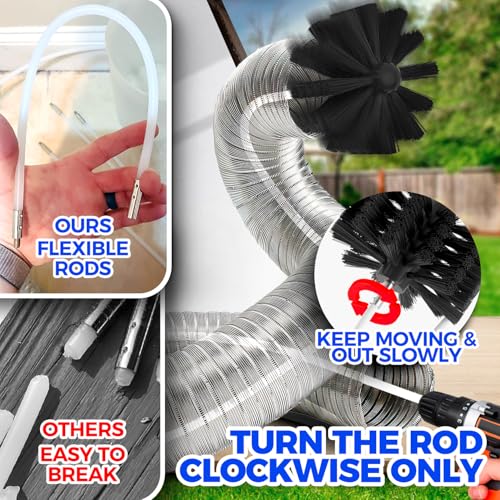
Choose a hose that is narrow and flexible enough to enter the lint-trap cavity and bend through the dryer’s first vent turn, but reinforced enough that strong suction will not flatten it. Avoid overly rigid hoses for cramped laundry closets or offset vents, and avoid flimsy hoses if you use a high-suction vacuum. Owner sentiment is mixed here: many shoppers like the flexible hose for dryer vents, appliance gaps, and car-seat-like tight spots, while others find it too stiff for some vent layouts or prone to collapsing if positioned poorly under strong suction.
Safe Access
Dryer cleaning tools work near sensors, heating areas, vent flaps, and sometimes gas or electrical connections, so force and shape matter. The right kit helps remove lint without damaging parts, disconnecting venting, or pushing debris farther into the duct.
Favor rounded, non-scraping tool ends, a brush that will not shed bristles, and a hose long enough to clean the accessible dryer cavity without forcing it past resistance. Do not use a kit as a substitute for clearing a long blocked exterior duct, a crushed transition hose, or a vent run with serious airflow problems; those failures need direct inspection. Owners connect these kits with keeping the dryer area cleaner and safer, and they especially value them as routine maintenance tools for lint buildup and fire-prevention concerns.
Routine Ease
A dryer vent cleaning kit is most useful when it is easy enough to use before lint buildup becomes severe. Complicated assembly, awkward hose changes, or fussy connections make owners less likely to use it regularly.
Look for tool-free assembly, a hose that attaches quickly, and brush and vacuum pieces that can be swapped without fighting the adapter. For routine maintenance, the kit should let you clean the lint-trap cavity and reachable vent area without moving the dryer far, disassembling panels, or needing special skill. Owners often describe setup and use as simple, quick, and manageable when the fit is right, making the cleaning job feel like a normal laundry-room task rather than a service project.
DIY Value
The best value in this category comes from a kit that remains useful after the first lint cleanout. Durable reusable parts, reliable adapters, and extra crevice-cleaning usefulness make it more than a one-time gadget.
Pick a kit with reusable brush and hose parts, adapters that stay attached, and materials that can handle repeated bending and suction. Extra usefulness in appliance gaps, under furniture edges, or vehicle crevices is a bonus, but it should not come at the expense of proper dryer fit and lint extraction. Owners often call these kits worthwhile DIY maintenance tools, especially when they help clean thoroughly without disassembly or a service call; they also note that perceived value drops when fit, flexibility, or durability limits the job.
1,000,000+ shoppers use Buyer's Guide every week to find the best products and services online.

Helping millions of users make smarter purchases online.


