















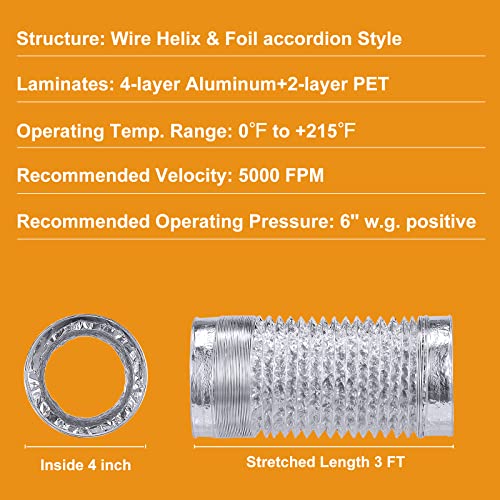


We also considered 10 others:


Our Top Choice
The order above is not editorial opinion, and it is not paid placement. It comes from what shoppers across our network actually do - which dryer vent hoses they compare, and which they ultimately buy. We re-rank as new data comes in, so the long-term favorites have to keep earning their spot against new entrants. The full method, including how we make money.
Dryer Vent Hoses Buyer's Guide
A dryer vent hose has to do two competing jobs: move hot, lint-filled exhaust efficiently while fitting into the cramped, offset space behind a dryer. The sharpest buying risks are a poor seal at the wall or dryer, a crushed or kinked path, and material that tears during installation or later cleaning.
Duct Strength
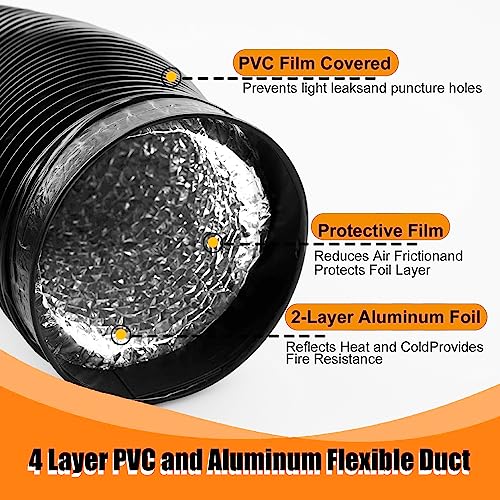
Dryer vent hoses carry warm, moist, lint-filled air, so the duct has to resist tearing, crushing, and separating while staying appropriate for dryer exhaust. Weak ducting can leak air, trap lint at damaged spots, or lose shape behind the appliance. A stronger hose is especially important when the dryer must be moved for cleaning or fitted into a cramped laundry area.
Choose a dryer vent hose with fire-appropriate duct materials, reinforced or layered walls, and enough crush resistance to survive being pushed behind a dryer without collapsing. Avoid ultra-thin foil that tears when stretched, dented semi-rigid duct that keeps sharp creases, or any material not intended for dryer exhaust heat and lint; a damaged wall can leak moist linty air and create a maintenance problem. Owner feedback strongly favors hoses described as heavy-duty, thick, rugged, and better made than cheap aluminum or flimsy foil ducting, with several buyers treating sturdier construction as a worthwhile upgrade. The caveat is handling: sentiment is split on long-term toughness when the wall material is pulled or handled roughly, so strength should be judged by both material thickness and how well it tolerates installation stress.
Fit Check
A dryer vent hose can be well made and still fail the job if it does not mate cleanly to the dryer outlet and wall duct. Small differences in clearance, outlet alignment, and connector style determine whether the hose seals securely or gets kinked during placement. Measuring before purchase prevents forced connections that later loosen or leak.
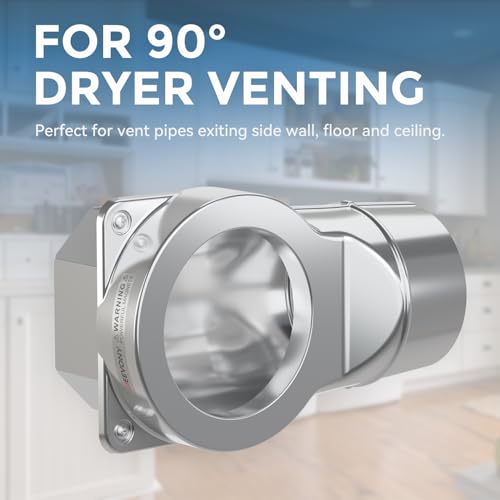
Verify the duct diameter, collar depth, wall opening, dryer outlet shape, and available clearance before buying; most residential dryer vents use a 4-inch connection, but the actual fit can still be tight, shallow, ovalized, recessed, or blocked by trim. Look for hose ends, elbows, rubber collars, or couplers that match your wall and dryer geometry, and avoid assuming a 90-degree elbow, magnetic adapter, or short hose will solve every offset without measuring. Owner sentiment repeatedly says fit is the main situational caveat: many standard 4-inch setups work well, but some buyers hit awkward connections at the wall or dryer opening, and some elbow-style setups may need more length or different sizing. Positive reports highlight snug rubber connectors and included clamps, while mixed feedback notes that sealing and compatibility depend heavily on the exact installation.
Air Seal
Air leaks waste drying performance and can blow humid, linty air into the laundry area. A good seal also helps the duct maintain steady exhaust flow instead of leaking at the easiest failure point. Because the hose is often hidden behind the dryer, a connection that feels secure during installation matters over repeated heating, vibration, and appliance movement.
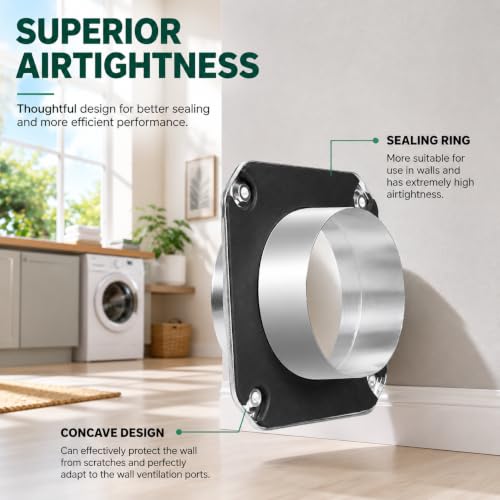
Prioritize a secure, airtight connection at both ends: the best setup uses properly sized collars, clamps or locking couplers, and sealing materials that do not obstruct airflow or create lint-catching ridges. For magnetic or quick-disconnect couplings, make sure the mounting surfaces line up squarely and the hose is independently secured so the magnet does not pull the duct loose. Owners praise magnetic connections that snap together securely and appear to prevent air leaks once aligned, and they also like rubber connectors that create a snug seal without excessive tightening. The support is not universal, though: feedback says sealing performance depends on correct fit and installation, and one installation note warns that a strong magnet can pull the hose loose if the duct is not secured properly.
Space Flex
Behind a dryer, the available space is often narrower than the hose’s natural bend radius. Flexibility is useful only if the duct keeps an open air path while bending around offsets and being pushed back into place. The goal is the shortest practical run with smooth bends, not simply the softest hose.
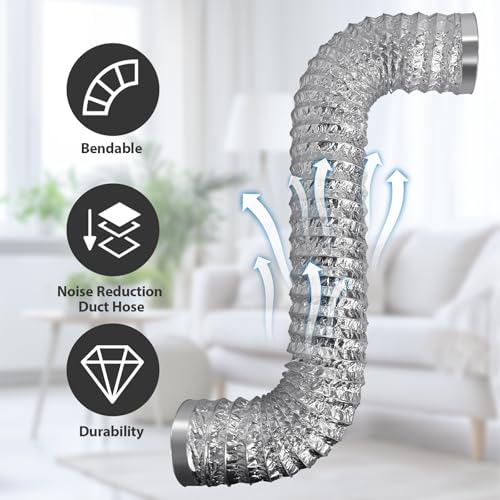
For tight laundry rooms, choose a hose that bends smoothly without flattening and can stretch or compress to the exact distance needed behind the dryer. Accordion-style flexibility helps when the wall vent is offset from the dryer outlet, but avoid creating long sagging loops, crushed bends, or sharp kinks that collect lint and restrict exhaust. Owner sentiment strongly supports flexibility as a key advantage: buyers say flexible hoses stretch, contract, and work better in cramped spaces than stiffer all-metal venting. Several comments also credit flexible designs with making it easier to position the dryer, move it in and out, and improve a previously kinked vent path after cleaning.
Easy Service
Dryer vent systems need occasional cleaning because lint accumulation can reduce airflow and create a safety concern. A hose that is easy to disconnect and reconnect makes maintenance more likely to happen and lowers the chance of damaging the duct during service. Installation convenience should still preserve a secure, sealed, kink-free vent path.
Look for kits that include correctly sized clamps, tool-light tightening options, removable couplers, or quick-disconnect hardware so you can install the hose and later pull the dryer out for lint cleaning. Dryer vent hoses should not be treated as install-and-forget parts; lint buildup, crushed sections, and loose connections need periodic inspection, so access matters as much as the first hookup. Owners consistently value straightforward DIY installation, including included clamps, thumb-screw or no-screw clamp designs, and magnetic couplings that make tight-space hookups less frustrating. They also appreciate cleaning tools and disconnect-friendly couplers because they make routine maintenance quicker and help reach lint that a standard vacuum attachment may miss, though thumb-screw clamps can be awkward in very tight clearances.
Practical Value
Dryer vent hose value comes from reliable airflow, safe installation, and reduced maintenance hassle rather than from the hose alone. The right kit can prevent extra trips for clamps or adapters and can make future cleaning easier. The best value is the option that fits correctly the first time and stays serviceable over time.
Judge value by whether the hose or kit solves your actual venting problem: replacing torn foil, shortening a kinked path, adding a better connector, reaching a longer run, or making maintenance accessible without a service call. A low-cost hose is a poor value if it tears, leaks, or does not fit; a more complete kit can be the better buy when it includes clamps, couplers, sealing materials, or the exact length needed. Owner sentiment is favorable on value when durable build and easy installation combine, especially for simple repairs, replacement jobs, long duct runs, and buyers trying to avoid a service call. Still, mixed fit feedback matters here because a good deal stops being useful if the connector geometry or hose length is wrong for the laundry space.
1,000,000+ shoppers use Buyer's Guide every week to find the best products and services online.

Helping millions of users make smarter purchases online.


