









We also considered 10 others:


Our Top Choice
Compare Features


The order above is not editorial opinion, and it is not paid placement. It comes from what shoppers across our network actually do - which dog urine removers they compare, and which they ultimately buy. We re-rank as new data comes in, so the long-term favorites have to keep earning their spot against new entrants. The full method, including how we make money.
Dog Urine Removers Buyer's Guide
Dog urine removers have to balance fast cleanup with true odor neutralization, because a spot that looks clean can still smell like a repeat-marking target to a dog. The biggest checks are whether the formula can reach the depth of the urine—carpet pad, upholstery foam, bedding, or laundry fibers—and whether it is safe for that surface without relying on heavy fragrance alone.
Effectiveness
You want a urine remover that actually breaks down and lifts the mess, not just masks the smell or leaves residue behind. Look for strong cleaning performance on the surfaces you need to treat, especially fabrics, carpets, grout, or hard floors, and watch for formulas that struggle with older stains or require repeated applications to get the area truly clean.
For dog urine, prioritize a true enzymatic or urine-specific formula that can reach the full depth of the accident, not just clean the surface; on carpet, that means enough liquid to contact the pad or backing, and on bedding or pee pads it means a detergent designed for pet soils rather than ordinary fragrance detergent. Look for directions that allow generous dwell time and repeat treatment, because older or soaked-in spots often need more than one pass. Owner feedback supports this: buyers often report that fresh or moderate urine odors improve quickly after one use, while stronger spots respond to repeat applications; laundry-focused formulas are also praised for removing urine odors and residue from beds, pee pads, blankets, towels, rugs, reusable pads, and diapers.
Stains
Urine removers need to do more than neutralize odor—they should also lift visible staining and leave the surface looking clean. Look for options suited to the material you’re treating, and watch for formulas that can leave sticky residue, discoloration, or a dull finish, especially on carpets, upholstery, wood, or stone.
Match the stain remover to the surface: carpets and upholstery need a spray that can loosen dried urine salts without bleaching fibers, while washable bedding, rugs, diapers, and pads need a laundry formula that handles both yellowing and residue. Avoid assuming an odor remover will also lift stains unless it specifically claims stain treatment, and always spot-test light carpet, mattresses, couches, and finished floors. Owner reports back this up: shoppers describe good results on dried puppy urine, set-in carpet accidents, bedding, upholstery, mattresses, rugs, plastic shower bottoms, and tougher mixed messes like urine and vomit, with many saying treated areas are left without lingering stains or smells.
Value
You want a urine remover that fits your budget but also gives you enough product to treat repeated accidents, not just one or two spots. Compare bottle size, dilution or coverage claims, and how much you typically need per stain, because a cheaper option may run out faster if it requires heavy soaking or multiple applications. Also watch for value packs or concentrates that offer better longevity, as long as they still match the surfaces and odor problems you need to handle.
Judge value by cost per fully treated accident, not by bottle size alone: dog urine often requires saturation, dwell time, blotting, and sometimes a second treatment, so weak formulas can be wasteful if they make you re-clean the same spot or call in professional help. Frequent-accident homes should look for larger formats, concentrates, or laundry products that work in small HE-washer doses; occasional users may be better served by a ready-to-spray bottle that does not expire or sit unused. Owner sentiment generally supports paying for reliable performance: buyers say effective cleaners feel worthwhile when they prevent repeated purchases of weaker products, handle serious carpet cleanup, or last through many pet-accident laundry loads, though cost satisfaction is more mixed for some options.
Odor
Strong odor removal matters because urine smells can linger even after a surface looks clean, and pets may return to the same spot if the odor is not fully neutralized. Look for a remover that targets urine and pet odor at the source rather than just masking the smell with fragrance, and be cautious with heavily perfumed formulas that can leave behind a new odor without solving the problem.
For odor control, choose a product that neutralizes urine compounds rather than masking them, and make sure it is safe for the exact odor source: carpet pad, upholstery foam, crate mats, pee pads, bedding, or the washing machine itself. This matters because dogs may return to spots where residual urine odor remains, even if humans barely smell it; deep-set accidents need saturation and enough drying time for the formula to work. Owner feedback strongly supports this priority: buyers repeatedly praise urine removers that make pet smells disappear quickly, reduce repeat marking, handle deep-set urine when allowed to dwell, and remove odors from beds, blankets, towels, rugs, and washers rather than simply covering them.
Scent
A urine remover’s scent matters because it can either leave the area feeling genuinely fresh or simply mask the odor with a strong fragrance. Look for a scent you can tolerate in the spaces you use most, and watch out for formulas that linger too long or become overpowering, especially on fabrics, carpets, or in small rooms. Good dissipation is key: the cleaner should help the urine smell disappear without replacing it with a perfume that hangs around.
Treat scent as secondary to urine removal: a strong citrus or fresh smell can make the room feel cleaner, but it should dry down without leaving a heavy perfume layer that competes with urine or irritates sensitive people and pets. For dog households, avoid choosing scent alone, especially for marking spots, crates, bedding, or upholstery where leftover urine odor can still cue repeat accidents. Owner comments align with this: shoppers like fresh or citrus-style scents when they replace urine and chemical smells, and many specifically value formulas that eliminate pet odor rather than merely masking it, with some noting that stronger initial scents become cleaner and less perfumey after drying.
Application
How a urine remover applies affects both cleanup speed and whether the solution reaches the source of the odor. Look for a sprayer that delivers even coverage without clogging, excessive foaming, leaking, or soaking more area than needed, and consider whether the formula requires mixing or has a long drying time. If the bottle feels flimsy or the spray pattern is inconsistent, you may waste product or miss deeper spots in carpet, upholstery, or grout.
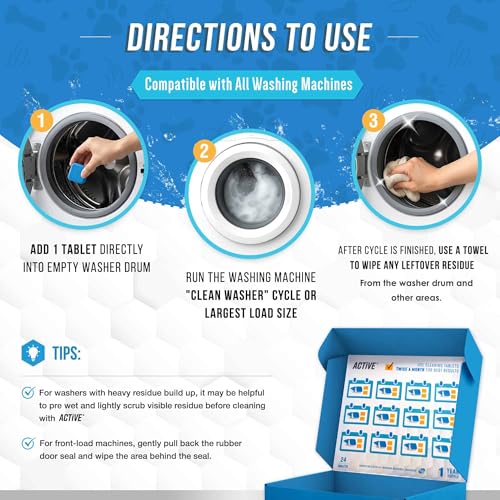
Choose the format around where your dog has accidents: sprays are best for carpet edges, upholstery, mattresses, and floor spots; laundry detergent is better for washable beds, towels, diapers, and pee pads; washer-cleaning tablets help when pet laundry leaves the machine itself smelling dirty. Check the sprayer quality, whether the formula can be used on multiple surfaces, and whether the instructions call for blotting, soaking, rinsing, or air-drying—under-applying is a common reason urine odor returns. Owner feedback supports easy-use formats: buyers like simple spray-soak-clean routines, one-step stain-and-smell cleanup, low-scrub carpet treatment, drop-in washer cleaners, and formulas usable across laundry, bedding, carpets, mattresses, and other household areas, though broken sprayers are a recurring watch-out.
1,000,000+ shoppers use Buyer's Guide every week to find the best products and services online.

Helping millions of users make smarter purchases online.


