












We also considered 10 others:





Our Top Choice
Compare Features


The order above is not editorial opinion, and it is not paid placement. It comes from what shoppers across our network actually do - which digital cameras under $300 they compare, and which they ultimately buy. We re-rank as new data comes in, so the long-term favorites have to keep earning their spot against new entrants. The full method, including how we make money.
Digital Cameras Under $300 Buyer's Guide
Digital cameras under this budget ceiling are usually bought to be simpler than a phone for kids, travel, family events, or casual content—not to replace a serious interchangeable-lens setup. The key tradeoff is accepting limited low-light performance and modest build quality while checking carefully for real usability, honest image specs, included batteries, and storage compatibility.
Usability
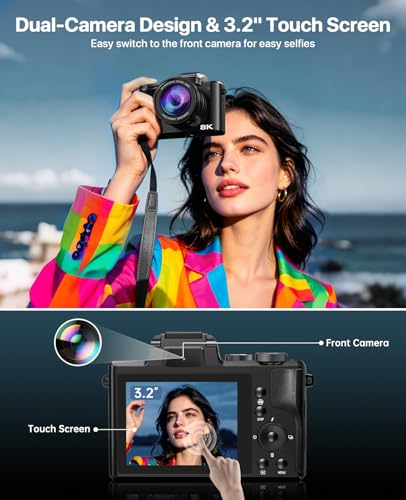
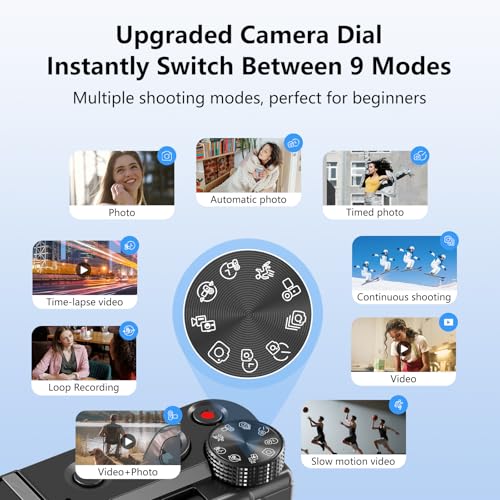
You’ll get more out of a digital camera if it feels easy to pick up, set up, and adjust without constantly digging through confusing menus. Look for clear controls, helpful automatic modes, and simple playback or sharing steps, especially if the camera is for a beginner or kid. Watch out for models with tiny buttons, cluttered interfaces, or too many advanced settings if you want photography to feel fun rather than frustrating.
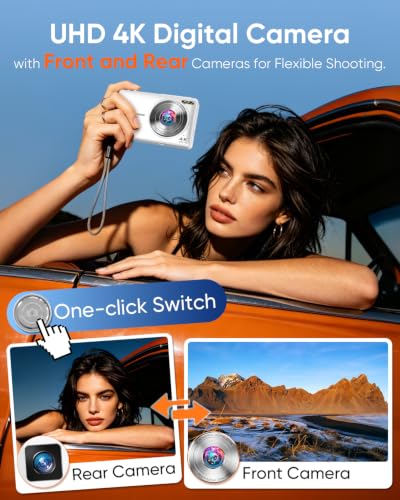
For usability in a sub-premium compact camera, prioritize controls that keep beginners shooting without burying exposure, focus, flash, timer, and video settings in confusing menus; if the camera is for kids, teens, travel, or casual vlogging, also check for a flip screen, clear mode labels, easy file transfer, and a body that can be held steady with one hand. Avoid models that advertise many modes but make basic tasks—switching from photo to video, reviewing shots, deleting mistakes, or changing resolution—slow or unclear. Owner feedback supports this: shoppers often describe these cameras as starter-friendly, lightweight, easy to set up, and approachable for beginners, teens, casual creators, selfies, travel shots, and vlogging.
Image
Image quality determines how sharp, detailed, and natural your photos look, especially when you crop, print, or shoot in challenging light. Look for a camera that delivers accurate color, clean detail, and consistent results across different scenes, not just impressive-looking sample shots in ideal conditions. Also watch for overprocessed images that appear too smooth, too contrasty, or unnaturally saturated.
For image quality, do not buy by megapixel count alone: in this category, sharp results usually depend more on decent daylight performance, real optical zoom if you need reach, usable autofocus, acceptable stabilization, and whether “4K” video is genuinely clean rather than just a spec on the box. Look for sample images in indoor light, motion, skin tones, and zoomed-in scenes, because budget cameras can look crisp outdoors yet become noisy, blurry, or overprocessed inside; be cautious with heavy digital zoom and inflated resolution claims. Owner sentiment is strongest when expectations stay in the everyday-use lane, with buyers praising clear, colorful photos, natural-looking daylight images, crisp casual video, and vibrant results for family moments, travel, and casual content creation.
Value
Value for money matters because a digital camera should justify its cost with the features, image quality, handling, and reliability you’ll actually use. Look beyond the body price and consider what’s included or required, such as lenses, batteries, storage, and accessories, while watching out for cameras that add flashy specs but compromise on core performance or usability.
For value, judge the whole kit rather than the headline camera spec: a genuinely useful bundle should include a compatible memory card, at least one spare battery, a charger or reliable charging method, a strap or case if needed, and cables that match your devices. Do not overpay for weak accessories that mask a poor camera, and do not treat “professional,” huge megapixel numbers, or 4K claims as value unless the camera also has the handling, focus, storage, and battery setup you will actually use. Owner feedback backs this value pattern: buyers tend to feel most satisfied when the camera is affordable, beginner-oriented, ready to use out of the box, and produces better everyday photos and videos than expected rather than pretending to be professional-grade.
Quality
A digital camera’s quality and reliability matter because you’re trusting it to perform consistently when a shot can’t be repeated. Look for solid build, dependable autofocus and exposure, durable controls, good battery and card performance, and a reputation for stable operation over long-term use. Watch out for cameras that feel flimsy, overheat easily, freeze or lag, or have user reports of recurring mechanical or software issues.
For build and operating quality, check the failure-prone basics before buying: lens cover or retracting lens action, tripod socket firmness, battery-door latch, button feel, screen hinge if it flips, memory-card slot alignment, and whether the camera freezes or corrupts files when recording longer clips. Under this budget ceiling, “quality” should mean reliable casual use, consistent saving of photos and videos, stable controls, and enough durability for bags, vacations, and family events—not weather sealing or pro-level mechanics. Owner comments generally align with that expectation, describing these cameras as solid starter or travel options with satisfying basic quality, clear output, useful features, and results that feel better than expected for casual use.
Portability
Portability affects whether you’ll actually bring your camera with you, especially for travel, street shooting, hiking, or everyday use. Look at the camera’s body size and weight with a typical lens attached, not just the body alone, and consider whether it fits comfortably in your bag or can be carried all day without fatigue. Be careful not to trade away too much grip comfort, battery life, or control layout for the smallest possible compact size.
For portability, choose the form factor around how it will actually be carried: a pocketable point-and-shoot is best for kids, purses, day trips, and quick family photos, while a larger bridge-style body may be worth it only if you need more grip or optical zoom. Check real dimensions, weight with battery installed, lens protrusion, wrist-strap attachment, and whether it can survive being tossed into a small bag without accidental power-ons or lens pressure. Owner sentiment strongly favors compactness here, with many buyers valuing small, lightweight bodies that fit in purses, pockets, travel bags, or small everyday bags and are convenient for walks, trips, social content, and casual vlogging.
Battery
Battery life matters because it determines how long you can shoot without stopping to recharge or swap batteries, especially during travel, events, or long days outdoors. Look for a camera that matches your shooting style, and remember that video recording, continuous autofocus, bright screens, wireless features, and cold weather can drain power faster than casual still photography. Also consider how it charges, including USB charging support and recharge speed, so you know whether you can top it up easily between sessions.
For battery needs, assume budget cameras drain faster during video, flash use, screen-on framing, and Wi-Fi or transfer features, so look for a spare battery, external charging option, and easy-to-find replacement batteries before relying on it for travel or events. Check whether the camera can record while charging, whether the charger is separate or in-camera only, and whether the battery door feels secure; a bundled spare is useful only if it is the correct type and holds charge reliably. Owner feedback supports prioritizing ready-to-use power setups, as buyers frequently praise packages that include extra batteries, a memory card, and accessories, and some specifically note that a spare battery makes travel, selfies, vlogs, and longer shooting sessions easier.
1,000,000+ shoppers use Buyer's Guide every week to find the best products and services online.

Helping millions of users make smarter purchases online.


